
Imagine this: you’re prescribed Doxycycline 100mg , an antibiotic superhero, to combat a pesky bacterial infection. It’s your sidekick in the battle against those nasty invaders. But wait, can you enjoy your favorite cup of joe or sip on a glass of wine while on this mission? In this blog, we’ll dive into the world of Doxycycline 100mg capsules , explore its interactions with coffee and alcohol, learn how long it lingers in your system, and discuss whether you can snag it over the counter.
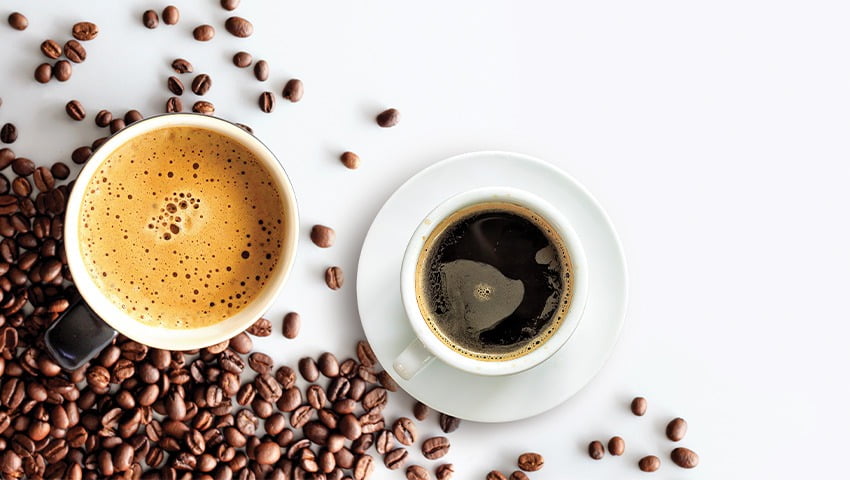
The aroma of freshly brewed coffee can be irresistible, even when you’re on antibiotics. But can you savor that morning pick-me-up with a side of Doxycycline? Let’s find out.
Good news: there’s no direct clash between Doxycycline and your beloved brew. However, there’s a twist. Doxycycline sometimes plays tricks on your tummy, causing stomach discomfort or heartburn. If coffee makes these side effects worse, it might be time to tweak your coffee routine.
Consider switching to a milder, less acidic coffee blend or sipping on herbal teas instead. Remember, caffeine is a diuretic, which means it can increase urine production. This can dilute the concentration of Doxycycline in your urine, potentially impacting its effectiveness if you’re battling a urinary tract infection.
If caffeine is the concern, decaf coffee and Doxycycline may be a better combination, as decaffeinated coffee removes much of the diuretic effect. However, keep in mind that decaf coffee is still slightly acidic, so if you experience stomach irritation, switching to a gentler alternative like herbal tea may be a good option.
While black coffee is generally safe (except for possible stomach upset), adding milk can cause some concerns. Doxycycline is part of the tetracycline antibiotics, which have a tendency to bind to calcium, so it’s a good idea to be cautious.
Drinking a latte or cappuccino with your pill can interfere with absorption because the calcium in the milk binds to the antibiotic in your stomach. This prevents your body from absorbing the medication properly, possibly reducing its effectiveness against your infection.
The Rule: Avoid all dairy products (milk, cheese, yoghurt) for at least 2 hours before and 2 hours after taking your Doxycycline dose.
If you’re wondering when it’s safe to enjoy your coffee after taking Doxycycline, timing matters. While coffee doesn’t directly neutralize the antibiotic, it can cause stomach irritation, especially if taken on an empty stomach. To minimize potential side effects and ensure proper absorption, it’s generally recommended to wait at least 1 to 2 hours after taking Doxycycline before drinking coffee. This allows the medication to be properly absorbed without interference from caffeine or acidity. If you’re sensitive to stomach discomfort, you might also consider drinking a less acidic coffee or opting for decaf. If in doubt, consult your healthcare provider for personalized advice.

Picture this scene: You’re out with friends, and they’re toasting to good times. You’re on Doxycycline antibiotic, but can you join in the merrymaking? Well, here’s the scoop.
While Doxycycline and alcohol don’t necessarily create an explosive chemical reaction, they might not be the best mix. Alcohol can influence how your body metabolizes the medication, potentially leading to amplified side effects. Upset stomach, anyone?
But there’s more. Alcohol can impair your judgment and coordination, a less-than-ideal state when you’re fighting off infections. So, it’s generally wise to limit or skip the alcohol when Doxycycline is your ally. But if you absolutely must raise a glass, consult your healthcare provider first for personalized advice. You can also read the Doxycycline 100mg PIL (patient information leaflet) for more information.
Beer and Doxycycline don’t pair well either. Beer contains compounds that can irritate the stomach lining, potentially worsening side effects like nausea or acid reflux. Additionally, certain beers, especially unfiltered varieties, contain probiotics and yeast that might interact with the antibiotic, reducing its effectiveness. If you’re on Doxycycline for a bacterial infection, compromising its absorption could prolong recovery time.
Similarly, Doxycycline wine interactions shouldn’t be ignored. Wine, particularly red wine, contains tannins and acidity that can heighten gastrointestinal discomfort when combined with the antibiotic. Moreover, alcohol in wine can weaken your immune response, making it harder for your body to fight off infections effectively. If you’re considering a drink, it’s best to wait until you’ve completed your antibiotic course to avoid potential setbacks in your treatment.
If you’ve already had a drink while taking Doxycycline and alcohol are unlikely to cause a dangerous reaction after a single small amount in most healthy adults. However, drinking may increase side effects such as nausea, dizziness, stomach irritation, or headaches, especially if you already experience these symptoms from the antibiotic.
If you’ve had one or two drinks, there is usually no need to panic. Stay well hydrated, continue taking your medication as prescribed, and avoid drinking any more alcohol until your course is complete. If you develop severe vomiting, persistent dizziness, difficulty breathing, or any unusual symptoms, seek medical advice promptly.
Although there is no official waiting period for everyone, it is generally recommended to wait until you have completed your course of Doxycycline before drinking alcohol. If possible, allowing an additional 24 to 48 hours after your final dose gives your body more time to eliminate the medication and recover from the infection.
This is especially important if you have been taking Doxycycline for a more serious infection or have experienced stomach upset during treatment. Giving your body time to recover may help reduce the risk of worsening side effects.
While both coffee and alcohol can affect how you feel during treatment, they do so in different ways. Coffee is more likely to worsen stomach irritation, whereas alcohol may increase side effects and slow your recovery if consumed excessively.
| Coffee | Alcohol |
| Black coffee generally does not affect Doxycycline absorption. | Alcohol does not usually cause a direct interaction but may increase side effects. |
| Coffee may worsen heartburn or stomach irritation. | Heavy drinking may reduce your body’s ability to recover from infection. |
| Coffee containing milk should be avoided close to your dose because calcium can reduce absorption. | Beer and Doxycycline are not an ideal combination, as alcohol may worsen nausea, stomach discomfort, and dehydration. |
| Decaf or herbal tea may be a gentler alternative if caffeine causes discomfort. | It is best to avoid alcohol until your treatment has finished. |
Besides coffee and alcohol, several other products can interfere with Doxycycline or make side effects more likely. Keeping these separate from your medication can help ensure it works as effectively as possible.
| What to avoid | Why it matters |
| Milk, cheese and yoghurt | Calcium can reduce Doxycycline absorption. |
| Calcium supplements | May bind to the antibiotic and lower its effectiveness. |
| Iron supplements | Can interfere with absorption if taken at the same time. |
| Magnesium or zinc supplements | May reduce the amount of medicine your body absorbs. |
| Antacids | Can prevent Doxycycline from being absorbed properly. |
| Taking the tablet just before lying down | May irritate the oesophagus and increase the risk of heartburn. |
Combining alcohol with Doxycycline can lead to what many patients describe as a “double hangover”. Since both substances are processed by the liver, mixing them can put extra strain on your body.
Common compounded side effects include:
Increased risk of liver toxicity (with chronic alcohol use)
For those taking Doxycycline for malaria prevention (travel), be aware that chronic alcohol consumption can speed up the metabolism of the drug, potentially making it clear from your system too fast to be effective.
Now, let’s explore how long buy doxycycline lingers in your body. Think of it as a guest who overstays their welcome.
Doxycycline’s half-life, or the time it takes for half of the medication to bid farewell, is around 18-22 hours. To fully clear your system, it typically takes several half-lives. So, for Doxycycline, it may hang around for 4-5 days after your last dose. But remember, this is a rough estimate; individual factors like age, liver and kidney function, and dosage can alter this timeline.
You might be wondering if you can just stroll into a pharmacy and snag Doxycycline over the counter. The answer? Not quite.
Doxycycline tablets are a prescription medication. Here at Meds For Less, you can buy doxycycline online and obtain a prescription quickly and safely after completing a quick online consultation.