

Chlamydia Medications
Understanding Chlamydia Medications
Chlamydia is one of the most common sexually transmitted infections (STIs) and is caused by the bacteria Chlamydia trachomatis. It can affect both men and women and may infect areas such as the genital tract, rectum, throat, or eyes.
Because many people experience very mild symptoms or no symptoms at all, chlamydia can often go undetected without testing. If left untreated, the infection may lead to complications affecting reproductive and sexual health.
Fortunately, effective medications for chlamydia treatment are available, and early diagnosis combined with appropriate antibiotic therapy can help clear the infection and reduce the risk of complications or transmission to others.
What causes Chlamydia?
Chlamydia is caused by the bacteria Chlamydia trachomatis which affects the cells lining the passages of various parts of the body; such as mainly the urogenital tract, but also the rectum, throat and eyes. The Chlamydia bacteria is spread through mostly unprotected vaginal, anal and oral sexual contact with someone who has the infection. The bacterium can be spread through the exchange of body fluids during sexual intercourse even without the need for ejaculation. Preventive measures against Chlamydia and other Sexually Transmitted Infections (STIs) involve good sexual hygiene and the use of barrier protection methods (such as condoms). In rare cases, chlamydia can be transmitted directly to the eyes if touched by hands contaminated with affected body fluids. Good sexual and physical hygiene is important to protect against this.
What are the common symptoms for chlamydia?
Many people with chlamydia do not experience symptoms, which means the infection can often go unnoticed and spread to others without realising it. When symptoms do occur, they may differ between men and women.
| Symptoms in Men | Symptoms in Women |
| White or unusual discharge from the penis | Abnormal vaginal discharge |
| Pain or burning during urination | Pain or burning during urination |
| Pain or swelling in one or both testicles | Pain during or after sex |
| Discomfort around the genital area | Bleeding between periods or after sex |
| Lower abdominal pain |
Because many people are asymptomatic, testing is important if you believe you may have been exposed through unprotected sexual contact. Early diagnosis and appropriate treatment may help reduce the risk of complications and transmission.
If left untreated, chlamydia may lead to complications such as pelvic inflammatory disease (PID), epididymitis, infertility, or reactive arthritis. Prompt testing and treatment with meds that treat chlamydia can help clear the infection effectively and support long term sexual health.
How is chlamydia treated?
Since Chlamydia is a bacterial infection, it can be treated effectively using antibiotics. Common antibiotics used to treat chlamydia include: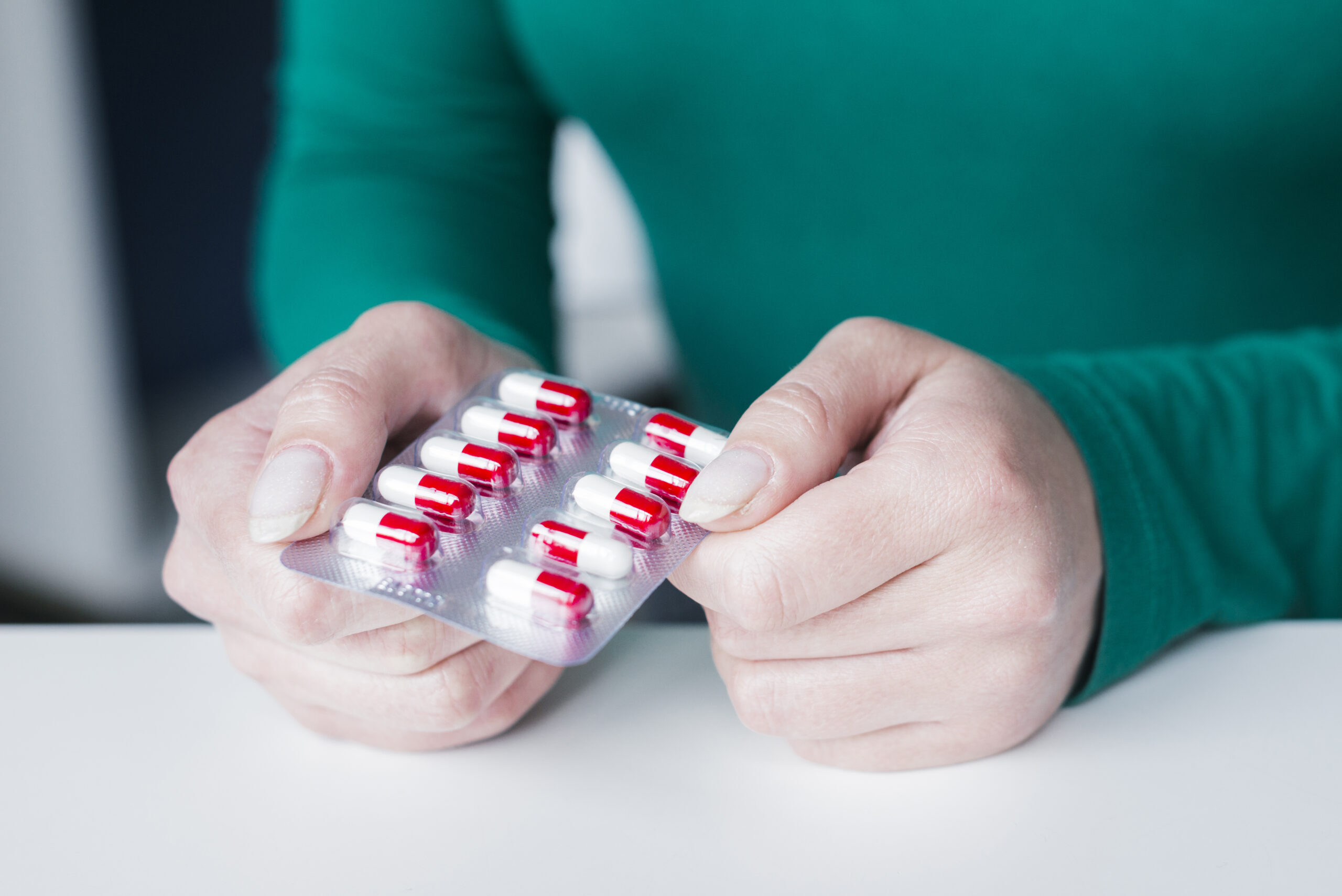
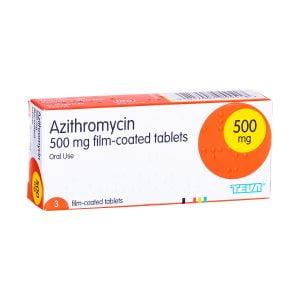
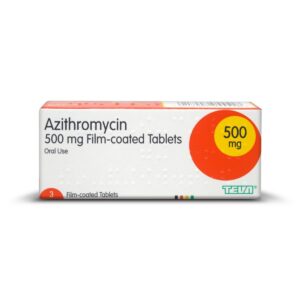
- Azithromycin – taken as a single, high dose oral medication
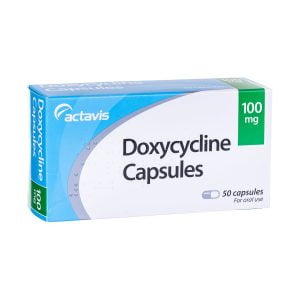
- Doxycycline – taken as two pills a day over a 7-day course
Symptoms of Chlamydia typically resolve within 7 days of starting treatment. It is recommended that you take the full course of antibiotics prescribed even if symptoms disappear slightly earlier. This is to prevent chances of infection persisting, re-infection or developing antibiotic resistance. You may also be advised to abstain from sexual activity till both you or your partner have completed the treatment course or wait till 7 days after taking the single dose of azithromycin. Your healthcare provider may also recommend retesting for chlamydia after 3 months after taking chlamydia medication, just to ensure that the infection has been completely cleared and to check for infection.
Can You Get Chlamydia Treatment Over The Counter?
You cannot buy over the counter medication for chlamydia as the recommended antibiotics (Azithyromycin and Doxycycline) require a prescription. This is because symptoms of chlamydia closely resemble those of other infections of the genital area such as Urinary tract infections (UTIs) and hence an accurate diagnosis of chlamydia by a healthcare provider is essential. A healthcare provider will also need to provide you with the appropriate medicine, and the appropriate dosing regimen of these antibiotics for you depending on to ensure your safety.
How to Buy Chlamydia Treatment Online?
Buying chlamydia treatment online is a convenient and discreet option for those who need fast access to prescription medication. However, it’s important to ensure you are purchasing from a reputable and licensed provider.
- Choose a Reputable Online Pharmacy
- Look for a licensed pharmacy that offers prescription chlamydia meds.
- Ensure the website is verified and has positive reviews.
- Complete an Online Consultation
- Many online pharmacies require a brief medical questionnaire before prescribing medication to treat chlamydia.
- Some services provide an online doctor consultation if needed.
- Receive Your Prescription
- If approved, the doctor will issue a prescription for chlamydia antibiotic pills like Azithromycin or Doxycycline.
- Discreet and Fast Delivery
- Most online pharmacies offer next-day delivery for chlamydia treatment.
- Packaging is discreet to ensure privacy.
- Follow the Treatment Plan
- Take the full course of antibiotics as prescribed.
- Avoid sexual contact until treatment is complete to prevent re-infection.
You can legally purchase prescription meds for chlamydia online from trusted platforms like Meds For Less, which offers fast, reliable, and confidential home delivery.
Side effects of chlamydia treatment
Like most antibiotics, treatment for chlamydia may cause side effects in some people, although many reactions are usually mild and temporary.
| Common Side Effects | Less Common but Serious Side Effects |
| Nausea | Severe allergic reactions |
| Diarrhoea | Severe or persistent diarrhoea |
| Stomach discomfort | Dizziness |
| Mild fatigue | Extreme tiredness or weakness |
Most side effects improve after the course of treatment has been completed. However, if symptoms become severe or persistent, medical advice should be sought as soon as possible.
Some people taking prescription antibiotics or meds to treat chlamydia may experience different side effects depending on the medication prescribed and their individual health profile.
How do you know if chlamydia treatment has worked?
Chlamydia medications are highly effective in eliminating the infection, with most people experiencing symptom relief within seven days of starting treatment. Common medications for chlamydia, such as chlamydia pills like doxycycline or azithromycin, work by stopping bacterial growth, allowing the body to clear the infection. However, even if symptoms disappear, it is essential to confirm that the infection has been completely treated. Healthcare professionals recommend retesting for chlamydia three months after completing a full course of medication of chlamydia, especially for individuals who had no symptoms initially. This is crucial because chlamydia meds treat the infection effectively, but reinfection can occur if a sexual partner remains untreated. If symptoms persist or return despite taking meds for chlamydia, it could indicate reinfection, incorrect medication use, or antibiotic resistance, requiring further medical evaluation. To prevent reinfection, both partners should complete their prescribed chlamydia medications and avoid sexual contact until treatment is fully completed. Safe sexual practices and regular STI testing can help reduce the risk of recurrence and maintain overall sexual health.
Will chlamydia go away on its own?
While symptoms of Chlamydia may subside without antibiotic medication, the underlying infection remains in the body and does not go away on its own. If left untreated, Chlamydia can lead to serious complications, even in people who feel fine and well. In women these serious complications can include pelvic inflammatory disease, a condition in which there is pain, risk of infertility and ectopic pregnancy. In men, the complications can include epididymitis (inflammation of the epididymis), which can cause infertility. Reactive arthritis is a complication that can result from Sexually Transmitted Infections (such as chlamydia) and is common to both genders.
Yes. To prevent reinfection, both partners should take the prescribed medications to treat chlamydia at the same time, even if one partner has no symptoms. Untreated partners can continue to carry the bacteria and pass it back.
While using chlamydia pills, avoid sexual contact until the full treatment course is completed. Alcohol should be limited, and any other medicines should be discussed with your doctor to prevent interactions with chlamydia medications.
Yes. Missing doses or stopping treatment early may cause the infection to persist. For best results, take all meds for chlamydia exactly as prescribed, even if symptoms improve quickly.
It is generally advised to wait at least 7 days after finishing your chlamydia treatment medications before resuming sexual activity. This allows time for the infection to clear and reduces the risk of transmission.
Retesting is advised around three months after completing medication to treat chlamydia to ensure the infection is fully cleared and to detect possible reinfection, especially if a partner was not treated simultaneously.