
Hair Removal Medications


Understanding Hair Removal Medications
What Are Hair Removal Medications?
For women, excessive hair growth in unwanted areas is a fairly common condition. It can happen for a variety of reasons including medication side effects, hormonal imbalances, or certain conditions such as Polycystic Ovarian Syndrome. For many people this can have significant effects on their self-esteem. Luckily, there are many ways that you can remove hair and reduce hair growth in unwanted areas.
Hair removal medication is often recommended when cosmetic hair removal methods are not enough to control excessive hair growth. They are used to slow down or decrease hair growing in unwanted places. People can choose to remove hair in a variety of ways such as shaving or waxing, but medicine to stop unwanted hair growth are particularly helpful in the case of a condition called hirsutism.
Hirsutism is attributed to problems with hormonal regulation, certain conditions such as Polycystic Ovarian Syndrome (PCOS), and side effects of medication such as Danozol which is used to treat endometriosis. With hirsutism, women may notice excessive hair growing on the face, breasts, or lower abdomen.
How Do Hair Removal Medications Work?
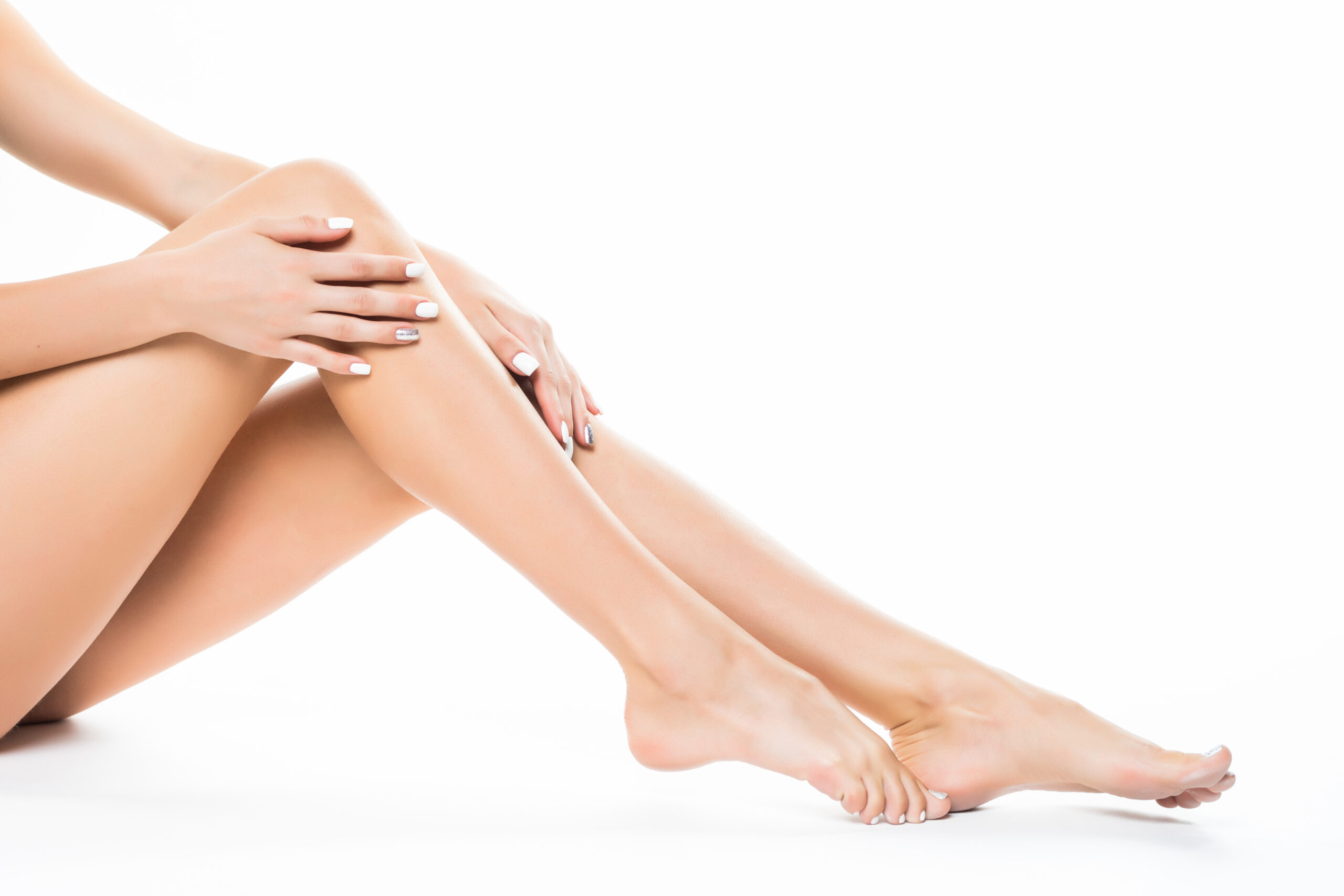 Hair removal medications work by slowing down hair growth by applying it to areas with unwanted hair so you can target the hair follicles located there. The most common hair removal medication is called Eflornithine cream, more commonly sold as Vaniqa. Vaniqa works by blocking ornithine decarboxylase which is an enzyme involved in hair production in the hair follicles. By trying to hold back the action of ornithine decarboxylase, Vaniqa can help decrease the growth of hair in target places and also make the hair thinner and therefore less visible over time.
How Long Does Hair Removal Medication Take to Work?
Hair removal medication does not remove existing hair instantly. Instead, it works gradually by slowing the activity of hair follicles.
Most people begin to notice visible improvement after 4–8 weeks of regular use, although the full effect may take several months. During this period, hair often becomes thinner, lighter, and less noticeable.
It is important to continue applying the treatment as prescribed. If you stop using the medicine to stop unwanted hair growth, hair growth may gradually return to its previous pattern within several weeks.
Benefits of Using Hair Removal Medications
There are several benefits to using hair removal medication:
- It is effective: If you use it consistently, hair removal medications have been shown to slow down the growth of hair in unwanted places and also make it finer and less visible.
- It is convenient: medicine for unwanted hair is easy to put on at home and fairly easy to buy at pharmacies.
- It is safe: There is generally a low risk of side effects if you follow the instructions of hair removal medication.
- It does not require an expensive or invasive permanent hair removal medicine procedure: Other options for hair removal treatment available can be procedures like laser treatment or electrolysis.
Types of Hair Removal Medications Available
The most widely available hair removal medicine is Eflornithine cream (commercially known as Vaniqa). This is particularly helpful for curbing excessive hair growth in unwanted places such as the face. You apply Vaniqa two times a day to areas that you want to target and over time you should notice results.
Please note that it can often take a few weeks before you start to notice a difference. You can use Vaniqa medical hair removal cream alongside other short-term methods such as shaving or waxing while you wait for the medication to take effect.
Who Can Benefit from Hair Removal Medication?
Hair removal medication is typically recommended for women who experience persistent or excessive hair growth that cannot be managed effectively with standard cosmetic methods.
You may benefit from medication for hair removal if:
- Unwanted facial hair appears due to hormonal imbalance
- You have been diagnosed with conditions such as PCOS or hirsutism
- Shaving, waxing, or plucking provides only short-term results
- Hair growth causes emotional distress or impacts confidence
In many cases, doctors recommend combining medical hair removal cream with traditional hair removal methods while the medication gradually slows the hair growth cycle.
How to Choose the Right Hair Removal Product for You
As everyone’s experiences with hair growth are different, there are several factors to think about when you are picking a hair removal product: what part of the body is the unwanted hair in? How much hair is growing there? What kind of product and maintenance works best for you?
With that in mind, here are some tips to help you choose the right hair removal product for you:
- Get medical advice: If it is your first time experiencing excessive unwanted hair growth, or it is your first time exploring treatment for it, you should consult a medical professional. They can help you figure out the underlying cause for the excessive hair growth and help direct you to suitable treatment.
- What type of skin do you have? If you have sensitive skin then some medication for hair removal may irritate your skin. Check that the product is suitable for your skin type and consult a healthcare professional if you have any concerns.
- Lifestyle factors: How convenient is it to use the medication? Does it work with your daily lifestyle?
Hair Removal Medication vs Cosmetic Hair Removal Methods
When managing unwanted hair growth, people often consider several different approaches. Cosmetic methods such as shaving, waxing, and laser treatments focus on removing visible hair or damaging the hair follicle to slow regrowth. While these techniques can be effective, they usually require regular maintenance and may not address the underlying cause of excessive hair growth.
In contrast, hair removal medication works differently. Instead of simply removing existing hair, medical treatments target the biological processes involved in hair production. By slowing the activity of hair follicles, these treatments can gradually reduce the thickness and visibility of unwanted hair over time. Understanding the differences between these options can help you choose the most appropriate solution for your needs.
| Method | What It Does | Long-Term Effect |
| Shaving | Removes hair from the surface | Hair grows back quickly |
| Waxing | Removes hair from the root | Results last longer but can be painful |
| Laser treatment | Damages hair follicles with light | May reduce hair growth after several sessions |
| Hair removal medication | Slows hair growth at the follicle level | Hair becomes finer and less noticeable |
Safety Tips for Using Hair Removal Medications
Although hair removal medications are generally quite safe, it is still important to be aware of how to use them safely. Here are some tips:
- Follow the instructions on the packaging of the medication or your doctor’s advice. Make sure you do not use more than needed.
- Be careful when you apply the medication around areas such as the mouth or eyes which can be particularly sensitive.
- Common side effects include: irritation, stinging, and redness. If you notice any symptoms that are more severe, stop using the product and seek medical advice.
- Use sunscreen regularly and avoid excessive exposure to the sun as medication to stop unwanted hair growth can make your skin more sensitive to sunlight.
Medication to Stop Unwanted Hair Growth – Is It Safe and Effective?
 Some people experience excessive or unwanted hair growth due to hormonal imbalances, genetics or conditions such as polycystic ovary syndrome (PCOS). In these cases, using medication to stop unwanted hair growth can be a safe and effective option when cosmetic hair removal methods are not enough.
The most commonly used medicine to stop unwanted hair growth is eflornithine hydrochloride cream. This medical hair removal cream does not remove existing hair but works by slowing down new hair growth at the root, making hair appear finer, lighter and less noticeable over time. Results are usually seen after 6–8 weeks of regular use.
In some cases, doctors may also prescribe hormonal tablets, such as anti-androgens or contraceptive pills, to reduce excessive hair growth from within the body. These treatments are particularly helpful when unwanted hair is caused by high levels of androgens.
Safety, Side Effects and Who Should Avoid Medication for Hair Removal
Most hair removal medication is safe when used as directed, but like all medical treatments, it may cause side effects in some people. Common reactions to medical hair removal cream include mild redness, tingling, dryness or temporary skin irritation. These usually improve with regular use and application of moisturiser.
However, medication for hair removal is not suitable for everyone. You should avoid or seek medical advice before use if:
- You have broken, irritated or inflamed skin in the treatment area
- You are pregnant or breastfeeding, unless approved by a doctor
- You have a history of severe allergies or skin sensitivity
- You are using other topical products that may react with the cream
- You have hormonal conditions requiring specialist care
If any severe itching, burning, swelling or rash occurs after applying hair removal medicine, stop using it and consult a healthcare professional.
Where to Buy Hair Removal Treatment Online in the UK
If you are looking for a convenient way to manage unwanted facial hair, prescription treatments are available through licensed UK online pharmacies.
At MedsForLess, you can access medicine for unwanted hair through a simple online consultation. After completing a short medical questionnaire, a clinician reviews your information and issues a prescription if the treatment is suitable.
Our pharmacy provides genuine, MHRA-approved medication, discreet packaging, and fast UK delivery, making it easy to start treatment safely and privately.
Medical hair removal cream such as eflornithine slows down hair growth by blocking the enzyme needed for hair production. It doesn’t remove existing hair, but with regular use, new hair grows back finer and slower.
Laser and waxing physically remove hair, while hair removal medication reduces how fast it grows back. For best results, many people combine both methods—using a medical hair removal cream to slow regrowth between laser or waxing sessions.
Most prescription creams designed to slow hair growth are intended for facial use, especially on areas like the upper lip or chin. Some types of medicine for unwanted hair may not be suitable for larger body areas such as legs or arms. Always follow product instructions or consult a healthcare professional before using the treatment on other parts of the body.
There is no true permanent hair removal medicine that removes hair forever. However, prescription creams and hormonal treatments can slow growth significantly. Laser and electrolysis provide the most long-lasting reduction.
Women with PCOS may benefit from hair removal medicine, hormonal tablets (such as anti-androgens), or medication to stop unwanted hair growth like eflornithine. These are often combined with laser or waxing for better cosmetic results.
Yes. Many people use hair removal medication together with waxing, shaving or laser. Creams help reduce new hair between sessions, making the skin stay smoother for longer.