Back To Top

Medication for Menstruation Pain

Understanding Menstrual Pain: Causes and Symptoms

medication for menstruation pain

For some, periods are a minor monthly inconvenience, but for others, they bring painful cramps that significantly disrupt daily life. To find the most effective period pain relief, it is important to first understand the symptoms and why they occur.

Common Symptoms

Dysmenorrhoea varies from person to person, but typically includes:

  • Lower Abdominal Cramps: A dull or intense aching that is often the primary symptom.
  • Radiating Pain: Discomfort that can spread to the lower back and upper thighs.
  • Digestive Issues: In some cases, cramps are accompanied by nausea or stomach upset.
  • Systemic Effects: Severe episodes may also cause headaches or dizziness.

Why It Happens

The pain is caused by the uterus contracting to shed its lining. These contractions are triggered by hormone-like substances called prostaglandins. When levels of prostaglandins are high, the contractions become stronger and more painful. Understanding this process helps in choosing treatments that target the source of the pain rather than just masking the symptoms.

How Medication Can Help Relieve Menstrual Cramps

Medication is often the most effective way to manage symptoms by targeting the biological causes of pain. Depending on your needs, there are several menstrual pain relief drugs and treatments available:

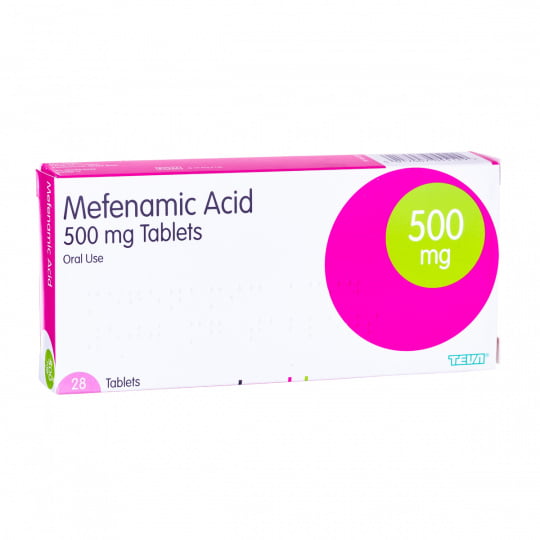
  • Non-Steroidal Anti-Inflammatory Drugs (NSAIDs): Medicines like Ibuprofen and Naproxen are typically the first choice for relief. They work by lowering the levels of prostaglandins, which directly reduces the intensity of uterine contractions.
  • Hormonal Contraceptives: These treatments help regulate the menstrual cycle. By balancing hormone levels, they often result in periods that are significantly lighter and much less painful over time.
  • Prescription-Strength Medication: For severe pain or underlying conditions like endometriosis and fibroids, standard options may not be enough. In these cases, a doctor can prescribe stronger treatments specifically tailored to your symptoms.

Types of Menstruation Pain Relief Medications

There are several types of pain relief medications that you can consider when thinking about relieving period pains. If you are unsure which one is right for you, you may wish to consult a medical professional. Here is a brief overview of types of menstruation pain relief medications:

Period medicine Overview
Non-steroidal anti-inflammatory drugs (NSAIDs) For example: Ibuprofen, Naproxen, and Aspirin
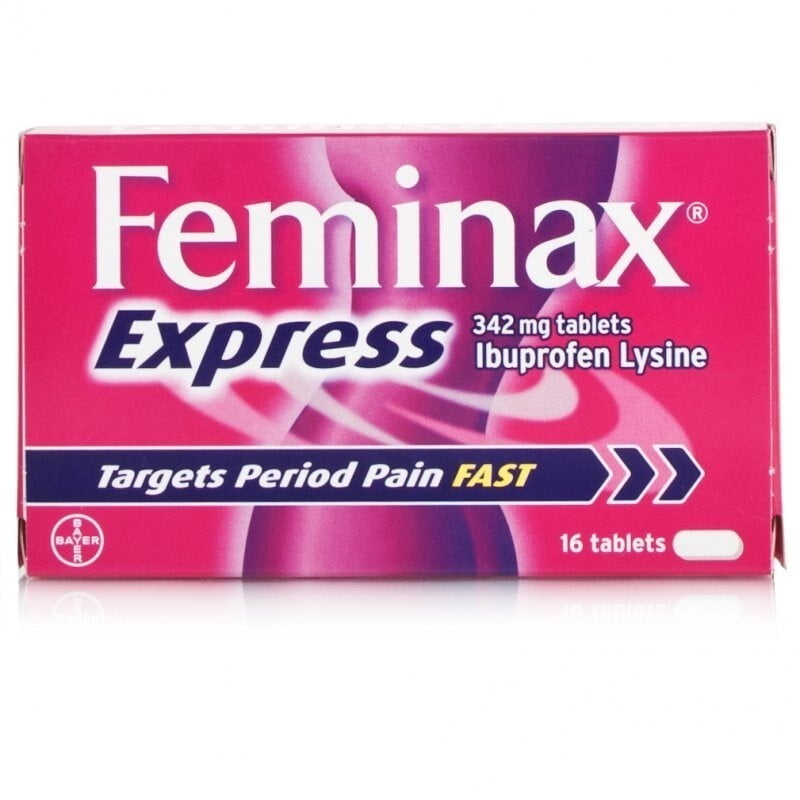
NSAIDs tackle period pains by reducing inflammation and blocking prostaglandin production. Often sold under period pain specific brands such as Feminax.
Hormonal Contraceptives For example: Birth control pills, Birth control patches, and Intrauterine devices (IUDs)
These tackle menstrual pains by using hormones to regulate the menstrual cycle.
Antispasmodics For example: Hyoscine Butylbromide
These work by relaxing the muscles of the uterus to reduce the intensity and pain from contractions during periods.
Prescription Medications For cases where other pain relief has not worked or in specialist cases such as endometriosis, your doctor may prescribe stronger medication that may be more suitable.

Choosing the Right Pain Relief Option for You

With so many options available, finding the right pain killer for periods depends on the intensity of your symptoms and your overall health. To make the best choice, consider the following guidelines:

  • Mild to Moderate Pain: For standard cramping, over-the-counter NSAIDs (like Ibuprofen) are usually sufficient to manage discomfort and allow you to continue with your daily routine.
  • Severe or Persistent Pain: If your symptoms are intense or interfere with your quality of life, you should consult a medical professional. They may suggest:
    • Hormonal contraceptives to help regulate and lighten your cycles.
    • Prescription-strength medication for more targeted relief.
  • Underlying Conditions: If you have conditions like endometriosis or fibroids, or if you are taking other medications, a doctor’s advice is essential to ensure your treatment is both safe and effective.

If your pain worsens or does not respond to standard treatments, always seek medical advice to rule out underlying issues and discuss potential side effects.

Over-the-Counter vs. Prescription Options

Deciding between store-bought treatments and prescription alternatives depends on the severity of your cramps and your medical history. Here is a quick comparison to help you choose the right period medicine:

Feature Over-the-Counter (OTC) Prescription Medication
Best For Mild to moderate cramps Severe pain or underlying conditions
Availability Supermarkets and local pharmacies Only via GP or specialized clinic
Common Types Standard NSAIDs (Ibuprofen, Naproxen) Stronger NSAIDs, Hormonal treatments
Key Advantage Accessible and affordable Tailored to complex health needs

How to Take Period Pain Medication Safely

To get the most out of your treatment and minimize the risk of side effects, it is important to follow these simple guidelines:painkillers for period pain uk
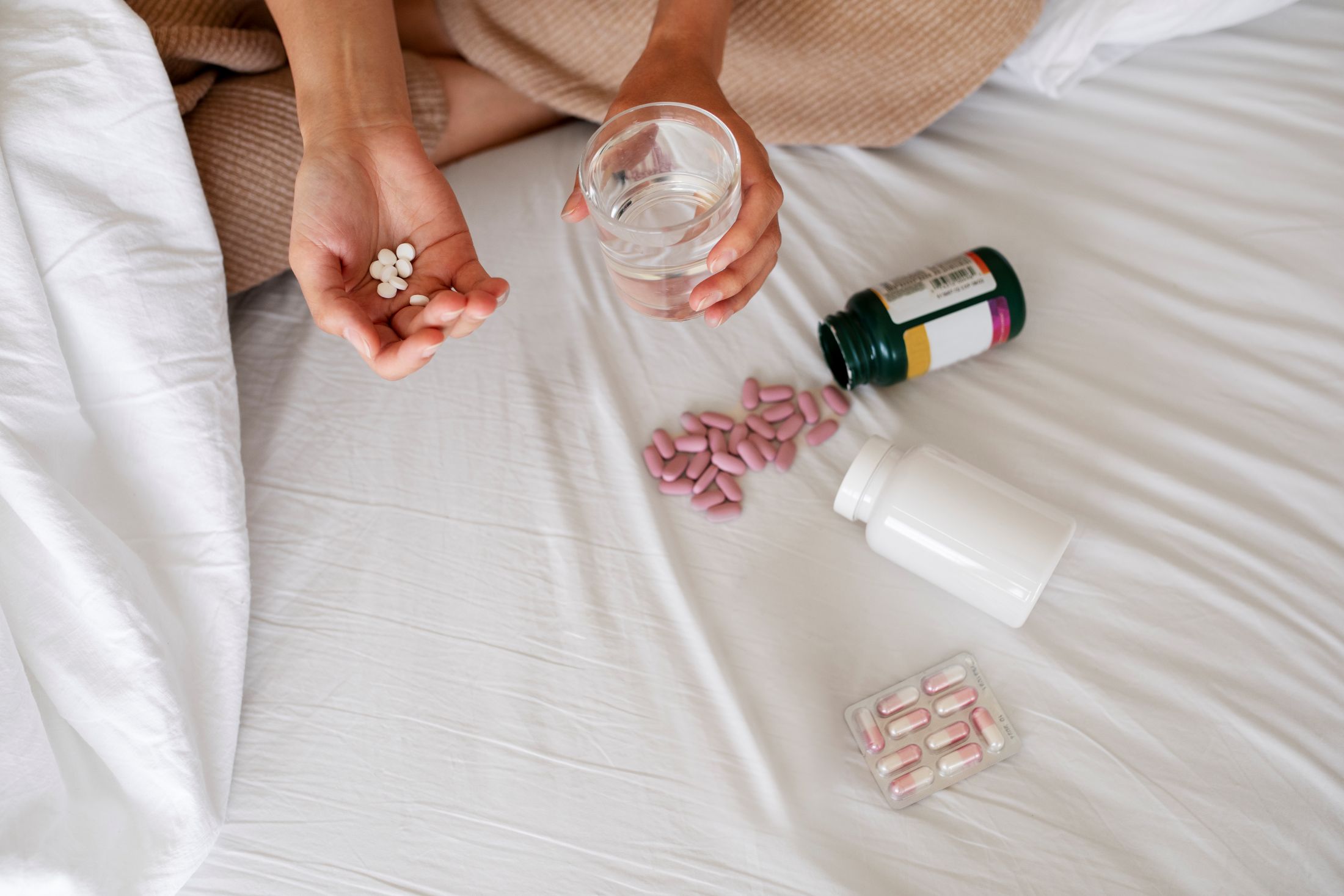
  • Timing: For the best results, start taking your chosen period medicine as soon as you feel the first signs of cramping.
  • Consistency: Follow the dosage instructions on the packaging. For NSAIDs like Ibuprofen, taking them with food can help protect your stomach.
  • Avoid Duplication: Do not combine different period meds unless advised by a professional, as many products share the same active ingredients.

Important Safety Information

While most over-the-counter options for period pain relief in the UK are safe, they may not be suitable for everyone.

Who Should Seek Professional Advice?

Before starting a new course of treatment, consult a pharmacist or GP if you:

  • Have a history of stomach ulcers, asthma, or kidney problems.
  • Are already taking other regular medications or supplements.
  • Experience severe pain that does not respond to standard doses.

Potential Side Effects

Most side effects are mild and temporary. However, be aware that NSAIDs can sometimes cause indigestion or stomach discomfort, while hormonal options may lead to minor mood or weight changes. If you experience an allergic reaction or persistent discomfort, stop use and seek medical attention immediately.

Find the Right Relief for Your Cycle

Period pain shouldn’t have to put your life on hold every month. With the right approach—whether that’s a quick-acting option for occasional cramps or a more structured plan for long-term relief—you can manage your cycle much more effectively.

If you’re looking for reliable period pain relief, we offer a range of trusted options designed to help you get back to feeling like yourself. Take a look at our selection to find the treatment that works best for your body.


What are the most effective medications for menstrual pain relief?

Non-steroidal anti-inflammatory drugs (NSAIDs) are generally some of the most effective medications for period pains. The added positive is that NSAIDs such as ibuprofen and naproxen are generally easy to find and relatively cheap.

Hormonal contraceptives have also been shown to have largely positive effects on treating menstrual pain. However, they may not be preferable for everyone as the hormonal side effects can be off-putting.

Can over-the-counter pain relievers help with severe menstrual cramps?

It depends, over-the-counter painkillers for period pain uk such as ibuprofen and naproxen (types of non-steroidal anti-inflammatory drugs) are generally quite effective at relieving menstrual cramps but some people may require different or stronger medication to treat severe menstrual cramps.

If you experience severe menstrual cramps, you should speak to a medical professional who may suggest prescription medications or hormonal treatment.

How quickly do menstruation pain relief medications work?

Naproxen and ibuprofen (non-steroidal anti-inflammatory drugs) usually act fairly quickly. You may start to feel the menstrual pain ease within half an hour to one hour as the medication counters the pain and inflammation.

On the other hand, you may need to wait up to a few months for hormonal contraceptives to reduce period pains and regulate the menstrual cycle.

Are there any natural alternatives to medication for period pain?

Yes, it is widely believed that consuming natural ingredients believed to have pain relief and anti-inflammatory properties (e.g ginger and turmeric) as well as using essential oils for aromatherapy can help in managing mild-to-moderate period pain.

In fact, even if you take medication for period pain it is advised that you also supplement with lifestyle changes such as a warm compress on your tummy, regular exercise, balanced diet, and adequate rest.

For severe menstrual cramps however, you may find that these natural alternatives are not enough and medication is needed.

Is it safe to take menstruation pain medications every cycle?

Broadly speaking, yes, it is safe to use menstruation pain medications such as ibuprofen (non-steroidal anti-inflammatory drugs, NSAIDs) or hormonal contraceptives every cycle.

Make sure to follow the recommended dosage and seek advice from a doctor if you have worries or notice any adverse side effects. For instance, long term heavy usage of NSAIDs may need monitoring due to side effects such as indigestion and risks of gastric ulcers.

[woof_products per_page=12 columns=3 is_ajax=1]

Interesting To Read