
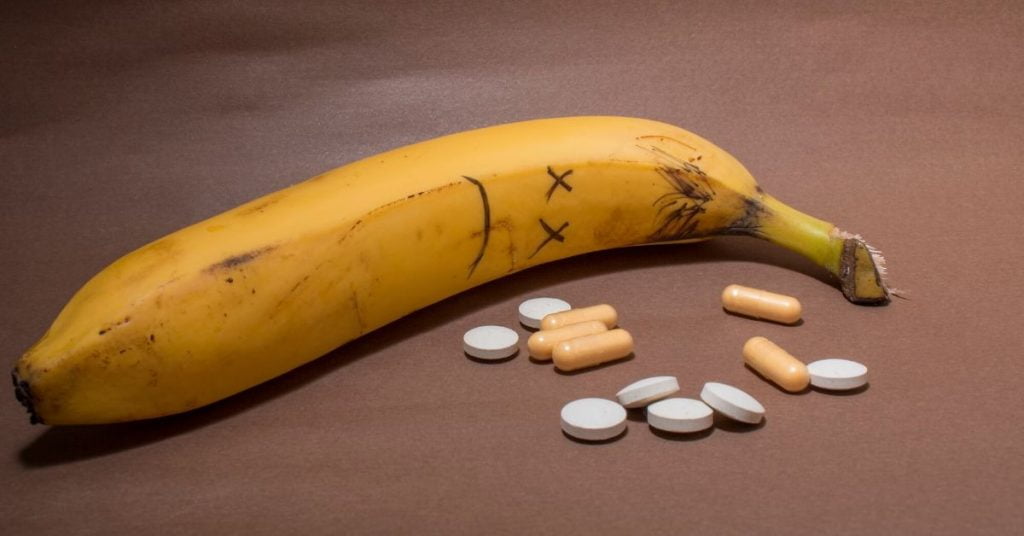
When it comes to managing hypertension, Amlodipine is a well-known player in the field of medications. But as you embark on your journey to lower blood pressure, you might wonder if your favorite snack – bananas – can peacefully coexist with this prescription. In this blog, we’ll delve into the nuances of consuming bananas while taking Amlodipine, explore dietary considerations, and shed light on the benefits of Amlodipine in the treatment of hypertension. We’ll also explore the potential interactions between grapefruit and Amlodipine, so let’s peel back the layers of this intriguing topic. Here on Meds for Less you can purchase buy Amlodipine online safely and discreetly.

Yes. Bananas are generally safe to eat while taking Amlodipine, and there is no clinically significant interaction between the medication and bananas. As part of a balanced diet, bananas provide potassium, fibre, and other nutrients that support overall cardiovascular health. Most people taking Amlodipine do not need to avoid bananas unless they have another medical condition, such as kidney disease, that requires limiting potassium intake.
For most healthy adults, one or two bananas per day can be enjoyed as part of a balanced diet while taking Amlodipine. There is no specific limit for people taking the medication, but eating excessive amounts of any potassium-rich food is generally unnecessary.
You should speak with your healthcare provider before increasing your banana intake if you:
If you’re wondering can I eat bananas while taking Amlodipine, the answer is generally yes. However, individual dietary needs may vary depending on your overall health and other medications.
Most people can eat a normal, balanced diet while taking Amlodipine. However, there are a few foods and drinks that may affect how the medicine works or increase the risk of side effects. If you’re wondering what should not be taken with Amlodipine, the table below highlights the main dietary considerations.
Food or Drink | Why Limit It? | Recommendation |
Grapefruit and grapefruit juice | May increase Amlodipine levels in the blood and increase side effects. | Best avoided unless your healthcare provider advises otherwise. |
Alcohol | May increase dizziness or light-headedness caused by Amlodipine. | Drink in moderation and monitor how you feel. |
Very salty foods | Can make blood pressure harder to control. | Limit processed and high-salt foods. |
Black liquorice | May affect blood pressure regulation in some people. | Avoid excessive amounts. |
Potassium-rich foods (including bananas) | Usually safe for most people. | Enjoy in moderation as part of a balanced diet. |
Although there is no clinically significant Amlodipine and banana interaction, maintaining a varied diet is recommended. If you have kidney disease or have been advised to limit potassium intake, speak to your healthcare provider before making significant dietary changes.
Now, let’s talk about grapefruit juice and Amlodipine. Grapefruit and its juice have garnered attention for their potential to interact with various medications, including Amlodipine. The compounds found in grapefruit can inhibit certain enzymes responsible for metabolizing drugs in your body. As a result, this interaction can lead to higher levels of Amlodipine in your bloodstream, potentially increasing the risk of side effects.
While the interaction between grapefruit and Amlodipine is a concern, it’s important to note that the severity of the interaction can vary among individuals. Some people may be more sensitive to this interaction than others. Therefore, it’s advisable to consult with your healthcare provider regarding the consumption of grapefruit or grapefruit juice while taking Amlodipine.
In many cases, healthcare providers may recommend avoiding grapefruit and its products altogether to ensure the consistent and safe action of Amlodipine. If you enjoy grapefruit, it’s crucial to have an open discussion with your healthcare provider to assess the potential risks and benefits based on your specific health and medication regimen.

Now that we’ve tackled the dietary aspect and the grapefruit interaction, let’s delve into the benefits of Amlodipine for managing hypertension. Amlodipine is a widely prescribed medication used to lower high blood pressure (hypertension) and alleviate symptoms of chest pain (angina). It works by relaxing and widening the blood vessels, making it easier for blood to flow, and ultimately reducing the strain on your heart.
Here are some key benefits of Amlodipine:
Patience is key when starting Amlodipine. The medication may take a few weeks to fully exert its blood pressure-lowering effects. It’s essential to follow your healthcare provider’s guidance and take the prescribed dose consistently, even if you don’t see immediate results. Blood pressure management is a gradual process, and individual responses to medication may vary. Regular check-ups with your healthcare provider will help monitor your progress and make any necessary adjustments to your treatment plan.
In conclusion, when it comes to Amlodipine and bananas, you can savor your favorite yellow fruit in moderation while benefiting from the blood pressure-controlling prowess of Amlodipine. Remember to maintain a balanced diet, be mindful of calcium-rich foods, and consult with your healthcare provider for personalized guidance on managing hypertension.
Experience the convenience of purchasing buy Amlodipine from a trusted online source at Meds For Less.