
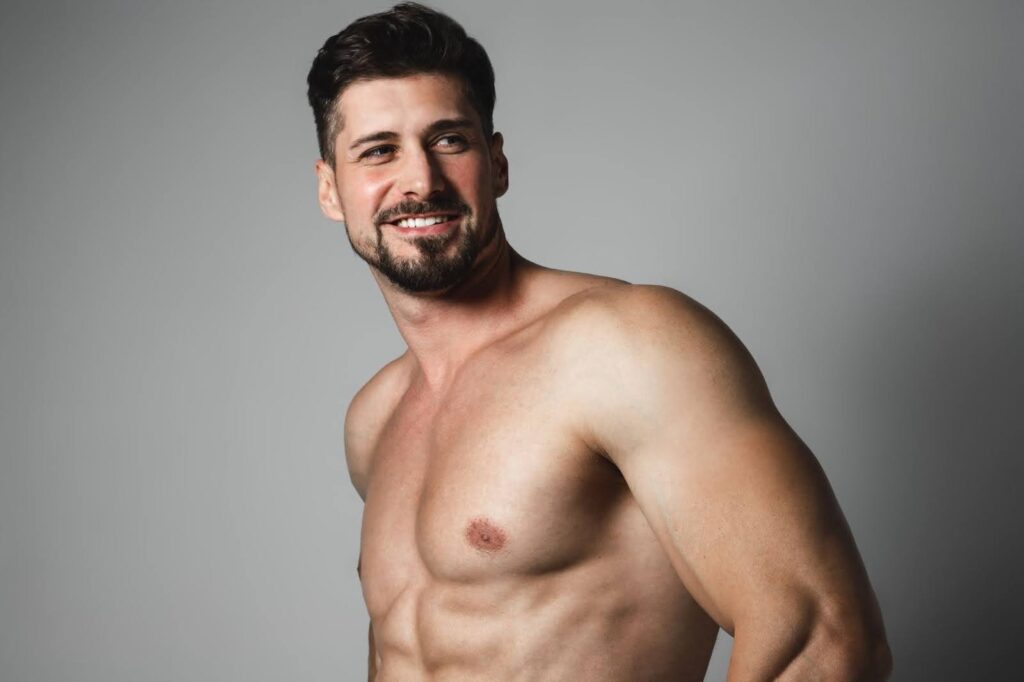
What are the most attractive body parts in men and women? There is no single answer because physical attraction is highly personal and can be influenced by biology, psychology, culture and individual preferences. Some people focus strongly on physical features, while others place greater importance on personality, confidence, humour, intelligence or emotional compatibility.
Certain physical traits appear repeatedly in studies and surveys about attraction. Examples include facial symmetry, a broad shoulder-to-waist ratio in men and a lower waist-to-hip ratio in women. However, these patterns describe general preferences rather than universal standards of beauty.
This article explores body parts and physical features that are commonly described as attractive in men and women, while also looking at the biological, psychological and cultural factors that may influence these preferences. Physical appearance is only one part of attraction and should not be treated as a measure of a person’s overall desirability or compatibility.
Physical attraction is influenced by a combination of biological, psychological, social and cultural factors. Researchers have explored how features associated with health, age, body proportions and sexual dimorphism may affect perceived attractiveness, although individual preferences vary considerably.
Some physical features may be perceived as attractive because they can be associated with health, reproductive fitness or physical development. Examples include:
We tend to be drawn to features that highlight masculinity on males and femininity on females because these indicate their good reproductive health to our subconscious. Examples include:
Attractiveness can also be influenced by media, fashion, and cultural norms, for example:
There are a range of factors that determine the attractiveness of a body and specific body parts. These psychological thoughts are influenced by cultural, biological, evolutionary and social determinants.
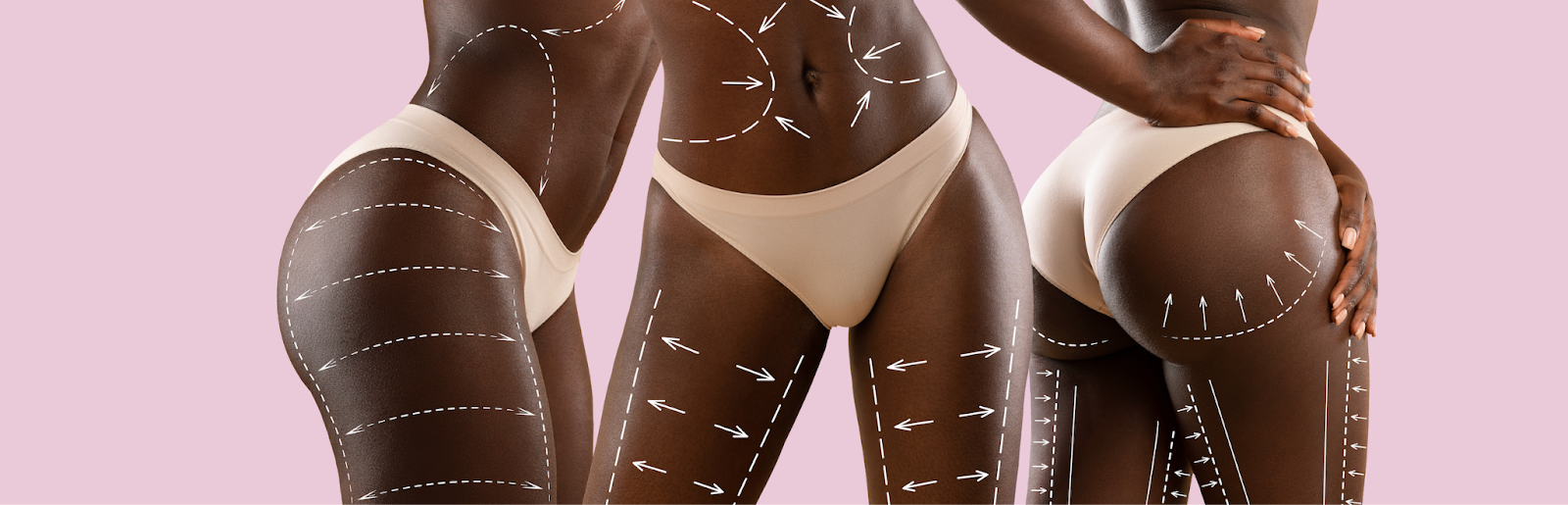
Picture 1: Demonstrates the stereotypical beauty standards of thinness and curves that may look good on a woman or “women body parts men love”. PLEASE NOTE: This is a stereotype across generic surveys and not a realistic interpretation of beauty. Beauty is intrinsic and personal to an individual.
Which male body parts are considered most attractive varies from person to person. However, research on physical attraction frequently highlights several recurring features, including the face, jawline, shoulders, chest, arms and overall body proportions. These preferences can be influenced by culture, biology and individual experience.
There is no single most attractive male body part. Different people may prefer the face, shoulders, chest, arms, back or other features, and physical appearance is only one part of overall attraction.
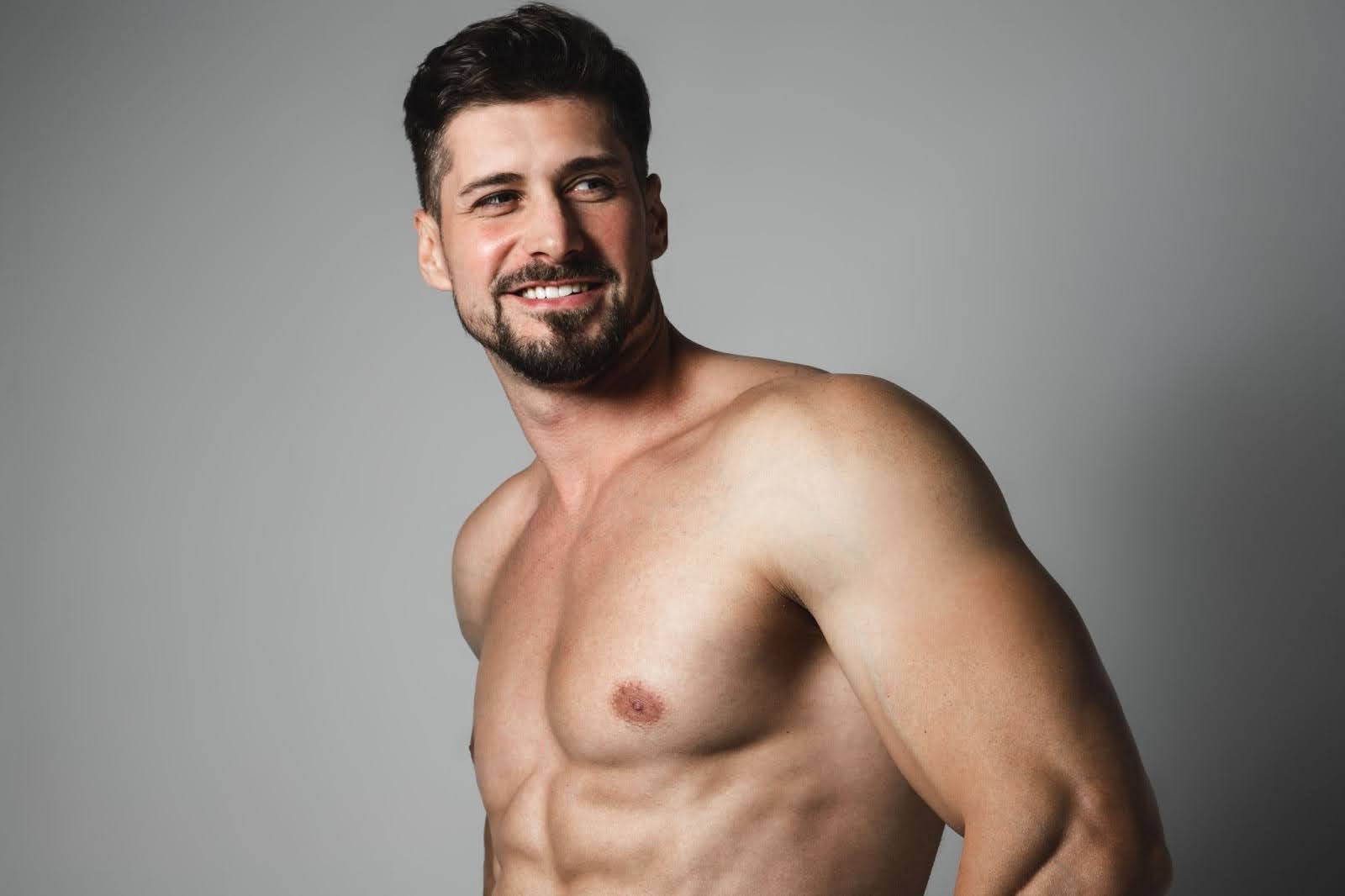
Picture 2: The stereotypical V shaped body in men which according to generic surveys have been considered features of the most attractive body part on a man. PLEASE NOTE: This is a stereotype across generic surveys and not a realistic interpretation of beauty. Beauty is intrinsic and personal to an individual.
Attractiveness in females is influenced by a combination of factors such as biology, societal influences, culture and psychology. While individual attractiveness varies from person to person, research has identified some generally considered attractive parts of the female body. For example:
Preferences for breasts or buttocks vary considerably between individuals and cultures. Surveys and studies of physical attraction have produced mixed findings, so neither feature can be described as universally more attractive.
From an evolutionary perspective, men have a subconscious attraction to physical traits in women that signify fertility and reproductivity. Both breasts and the buttocks have a role to play in this respect.
Cultural difference may influence this highly personal decision. In the 1990s and 2000s, the breasts dominated beauty standards due to the influence of media, fashion standards and celebrities. However in the last decade, there has been a cultural shift towards “butt” with pop culture icons such as Beyoncé and Kim Kardashian contributing to the global rise in “booty appeal”.
This cultural difference is highly variable with differing levels of presence across the world. In North America and Latin America, butts often lead whereas in parts of Europe and Asia, breasts are still given a lot of significance.
On the matter of “do men prefer boobs or butt ?” Available research does not establish one universal preference for breasts or buttocks. Results vary depending on the study population, cultural context and the way attractiveness is measured. The attraction goes beyond just visuals and for some males, the ability to carry accentuated physical features with movement, confidence or body language is very important.
Overall, there is no clear answer on whether men prefer buttocks or breasts more as a physical trait. The answer to this depends on individual variation amongst different men.
What women find most attractive in men depends on a combination of many factors such as evolutionary instincts, emotional intelligence and cultural shifts. Attractiveness is not just about looks, it’s a multi-layered mix of physical traits, personality, and behaviour. The following are some of the traits that women find most attractive in men:
Attraction is not static and preferences are highly influenced by age, life stage and cultural influences. The following is an overview:
Attraction evolves over time and space. Sexy traits change from when we’re 20 to 55 and from when we’re in the west to the east. Globalism and migration around the world has led to an increased mix of attractive qualities being shared amongst different cultures. Many of us who live in the UK find qualities in potential partners attractive that are influenced by many different cultures, not just our own.
However in this ever evolving world, factors like kindness, authenticity and intelligence remain very deterministically attractive.
Yes, Income and social status do influence attraction. The level of influence that these factors have on attraction depends on context, age, individual goals and cultural backgrounds.
From an evolutionary perspective, social status and access to resources (income) have always been tied to survival and reproductive success. A high status has meant better access to food and protection whereas resource acquisition has meant better chances of raising healthy offspring. In the modern day, income and social status can subconsciously signal security, ambition and competence to a potential partner.
In the modern day, income and status can also signal attractive qualities such as ambition and purpose, stability , responsibility and leadership as well as lifestyle alignment which are all attractive qualities.
The attraction to qualities such as confidence, drive, leadership and passion isn’t necessarily linked with “net worth”. Hard work and ambition are attractive qualities on their own, with income or social status often being influential in attraction because they reflect these.
Status and wealth are weighed differently in different cultures. In more traditionalist and family based cultures, financial stability may be considered essential before finding a long-term mate. In more western cultures, emotional compatibility, and life goals can sometimes matter more than the amount of income one has alone.
Fitness and muscle definition are consistently linked to attraction, however their role goes beyond just aesthetics. A fit physique often signals health, vitality and reproductive fitness – these traits have been considered universally attractive over different cultures and different age groups.
Muscle definition in men has often been linked to strength, dominance and protection. Especially in muscles of the chest, arms and back, coincidentally making these some of the most attractive muscles on a guy. Research shows that the classic “V-shaped” torso with broad shoulders and a narrow waist is considered one of the most attractive body types. Generally moderate levels of tone are preferred over high muscularity and these visible levels of tone signify discipline, consistency and a healthy lifestyle.
In women, muscle definition plays a different role. Tone and overall fitness are better linked to attractiveness rather than just bulk or size. A lean, fit, physique is associated with health, youth and fertility. Features like a flat stomach, toned legs and a well defined hip to waist ratio is often deemed desirable in women. Fitness in women is seen not just as a sign of physical attractiveness but also that of confidence, strength and independence.
Beyond just looks and physical attraction, fitness in men and women signifies discipline, self care and mental resilience. A healthy body can be seen as an indicator for healthy habits which is very desirable. The appeal of fitness can also be due to the fact that it reflects self esteem and confidence in one’s own skin. Being confident and carrying yourself well can significantly influence attraction.
Weight can be a factor which has a role to play in physical attractiveness however it has a complex role, that’s influenced by biological, psychological or cultural variables. Most of the time, body weight is viewed in the context of physical appearance and look. However its influence on attractiveness depends on contextual factors like overall health, proportion and societal norms.
From an evolutionary perspective, body composition rather than just weight alone is most relevant to attraction. Certain body compositions and physical proportions are considered attractive such as:
Rather than purely weight, body shape, symmetry and signs of physical health are more influential in perceived attractiveness.
Cultural standards often influence how weight is perceived. In some cultures (such as western cultures) , thinness is preferred as it indicates better health, more self discipline, youth and higher socio-economic control. In other cultures (African or polynesian), having a large body type is associated with fertility, wealth and resilience.
Physical factors such as weight or look only have a limited role to play in attraction. Traits like confidence, charisma, posture and personality can amplify physical attractiveness or outweigh it as a consideration. Additionally, shared lifestyle habits and interests play a major role in compatibility and attractiveness. These psychological and social factors should also be considered when viewing the importance of body type in attraction.
Meds For Less also provides information and treatment options across general health, women’s health and men’s health.