

We have all been prescribed medication from the chemist at one point in our lives. If you are not one of these people, lucky you!
Prescription medications (POM) or medications bought Over-The-Counter (OTC) are all supplied with a Patient Information Leaflet (PIL). This document is a legal requirement which is heavily regulated and an extremely important source of drug information. The purpose of a PIL is to educate you about the medication you are being supplied with. Patients commonly tend to misplace or dispose of the PIL but it can be a great source of information if used correctly and can help alleviate any concerns about the said medication.
Understanding the correct way to use a patient leaflet can be helpful in improving your health outcomes by ensuring you are taking the dose correctly. It can lessen the chances of you taking the medication improperly and help reduce side effects. But most of all, it will provide you with full autonomy of managing your condition on your own terms.
Read the rest of the article to find out what exactly makes a PIL so beneficial in healthcare.
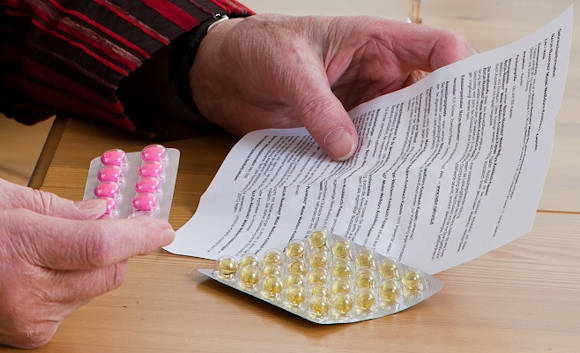
A Patient Information Leaflet UK (PIL) is a leaflet/document normally provided in the box alongside the medication. It contains key information on what the medicine is, how it should be used and the risks and benefits of using said medication. Patient information sheets in the United Kingdom (UK) are a legal requirement where each medication pack needs to be prescribed alongside a PIL which contains key information, instructing the user about the specific drug. The only instance where a PIL may not be required is if the medication packaging itself contains all the key information about the drug in line with the legal guidelines. However, for most POM medications, a PIL is generally provided alongside the medication.
The PIL should contain key information about the medication in an easy to understand format. The PIL is not generally written for healthcare professionals but instead for the general public therefore should be written using layman’s terms to help alleviate any concerns about the medications in a digestible format.
In the UK, the Medicines and Healthcare Products Regulatory Agency (MHRA) is responsible for regulating PILs. The PILs have to be assessed meticulously for clarity, composition and accessibility. This includes the font size, any colours used and any designs incorporated in order to make the PIL more easy to understand and help retain information better. You can browse several medications on Meds for Less to see the format of some common medication patient information leaflets.
Although medications come in various forms, such as prescribed oral painkillers or simple liquid herbal flu remedies over the counter – all of these carry risks and can cause detrimental harm if misused or taken incorrectly. Therefore, pill leaflets are extremely important to guide the general public on how to safely take their medications and be aware of the risks and side effects present and how to navigate if something goes wrong.
PILs are required for several reasons such as:
Studies show that for some common conditions such as back pain, acute otitis media (ear infection), and burns, reading PILs improved adherence to medication and advice. Furthermore, PILs reduced the number of repeat visits to primary care doctors.
A study by Henrotin YE et al. showed that patients who struggled with back pain but followed their PIL guidance had a boost in their confidence. They also reported improved self-belief in the effectiveness and compliance to short term exercises in reducing back pain. However, this did not change the rate of attendance at appointments.
Drug information leaflets are extremely important as without them patients may take medications without checking if it is suitable for them or without knowing the side effects.This can lead to medication errors, non-compliance (patient does not take the medication as directed), readmissions to the hospital and in worse cases, cause death. Therefore, reading the PIL allows the patient to be better informed when making a decision about their health.
Patient Information Leaflets (PILs) are formatted in a specific, easy to follow manner. Most PILs universally follow this style of formatting. The PIL is organised using clear subheadings, and must contain specific legal guidelines required by the UK and the EU legislation and the MHRA before being dispensed. You can browse the following medications for women’s health which outline the format of common contraceptives and other medication PILs. Most medication information leaflets are arranged in the format as outlined below:
| Subheading found in a PIL | What does it mean? |
| Name of the medication | This section should clearly state the name of the medication including its scientific name and the active ingredient in the medication.
This is to ensure the patient knows they have the right medication and if they have any allergies to the above ingredients before use. |
| What is the medication and what is it used for? | This section should state the purpose of the medication. It has to clearly explain to the patient as to whether the medication is a pain reliever, it is an antibiotic used for infection control, it is used to manage hypertension (high blood pressure) and so on.
It has to be concise and specific so as to not confuse the patient. |
| Before you take the medication | This section is useful for outlining any precautions and contraindications to any medications/conditions in which case the patient should seek further advice or proceed with caution.
This includes allergies, pregnancy warnings, health conditions like liver disease, renal dysfunction, blood clotting disorders and so on. It should also provide warnings for whether the medication is suitable for pregnancy and/or breastfeeding. |
| How to take the medication | This section should provide clear, concise instructions on how the medication must be taken in easy to digest steps if possible including stating the form of medication such as tablets, liquids, inhaler powders etc.
It also needs to state the correct dosage, timing, duration of dose (how long to take it for), and information about any missed doses. It should also cover which age groups can and cannot take the medication. |
| Side Effects | This section normally presents a list of side-effects categorised in groups such as common, uncommon, rare and very rare side effects with some statistics.
Advice on what to do in case of emergencies should also be provided here. |
| Drug-drug and other interactions | This section will alert the user to common drugs which may interact with the medication and should be avoided.
This should also state any interactions with food such as grapefruit, herbal remedies such as St Johns Wart, or any other substances which may lessen the effectiveness of the medication. |
| Storage (How to store the medication) | This section should correctly state the right instructions on how to store the medication.
It should inform the user whether the medication needs to be refrigerated, needs to be stored in a cool, dry place or needs to be discarded after one use etc. This is to ensure the drug works properly to ensure maximum effectiveness. |
| Further information | This section may not be available on every PIL but most PILs will provide some extra information. This may include details of other inactive ingredients used in the formulation of the drug and also the manufacturer details and so on.
Some PILs may also include a Summary of Product Characteristics (SmPC) to provide detailed, technical and authorised information for healthcare professionals about the medication. |
Most PILs follow a universally standard structure as described above in the article. This allows the reader to skim through the article in an easy to follow format and find the key information they require. Each PIL starts with information about the medication and what it is used for. This is often followed by warnings and precautions and any key side effects that the patient should be mindful of.
The leaflet also will provide clear instructions on how to take the medication and how to also safely store the medication. This includes what to do in the event that a dose is missed or a double dose is taken by accident. Ensure to read the relevant sections carefully and thoroughly before starting treatment. If in doubt, contact your doctor or pharmacist for more information.
In order to use a PIL safely, ensure to give yourself plenty of time and a quiet space to understand the content if possible. It is recommended to read the PIL before starting treatment to ensure you are fully informed and mentally prepared in the event of any emergencies that may arise.
It is advised to focus on key parts of the PIL such as the name of the drug and what it is used for – to ensure you are taking the correct medication. Also check the dose, warnings and side effects and be cautious about any potential drug-drug or other interactions. If you are pregnant and/or breastfeeding, it is advised to speak to a healthcare professional before taking any medication unless it has been specifically prescribed by a doctor and is deemed safe to use.
If when reading the PIL, you find that the terms are too complicated or the information is confusing and you want some clarity, do not hesitate to speak to your local pharmacist or a doctor as they are there to support you. A PIL is designed to aid you during your treatment, it is not a standalone means of support and does not replace professional oral advice.
Therefore if in doubt, ensure to speak to a healthcare professional about your treatment.
As mentioned above, PILs are designed using reputed sources from published articles and experimental research therefore they can often be quite technical and use complex terminology which may make it hard to follow. This can make it intimidating however these terms are often included to ensure accuracy and safety of the product.
Words such as ‘drug-drug interaction’, ‘contraindication’, specific listed health conditions are used to describe medical risks and are used to standardise information across various healthcare settings.
If you are unsure about specific terminology, look for further explanations within the leaflet for more context. You can also use the NHS website or the MHRA website to understand key terminology in simpler English. It is useful to be aware of key terminology and listed health conditions especially in relation to side effects so that you are aware of these risks and know when to seek emergency help if required.
Reading the PIL before taking your medicine ensures that you are fully informed of the risks and interactions of the medicine before use. This will help prevent any avoidable mistakes which can happen easily such as taking the wrong dose of medicine, taking it at the wrong time, taking it alongside another medication which may produce drug-drug interactions and reduce its effectiveness.
Most importantly, reading the patient information leaflet for medicine beforehand will keep you safer than without. Many medications come with side effects which affect some people more than others. Therefore, reading the PIL beforehand will make you aware of the potential side effects and make you more cautious so that in the event of an emergency you know how to tackle the situation.
Furthermore, carefully reading the PIL will allow you to make choices as part of a shared-decision plan for your own health, on your own terms without feeling pressured. If used correctly, it can be helpful in reducing anxiety and alleviating any health concerns and also save you a trip to the doctors!
Some medicine information leaflets can be difficult to understand even with MHRA regulations in place. This may be due to certain scientific terms which cannot be explained in a simple way and need to be stated outright hence can be confusing for the general audience. If the leaflet feels too confusing or hard to understand do the following:
Here are some key take-aways from this article to describe the role of pill leaflets and their importance:
It is recommended to spend a few extra minutes to familiarise yourself properly with the PIL found in your medication pack. It is better to be thorough and well-informed in order to make the safest decision for yourself and your loved ones.