

Many people prefer to manage menopause without Hormone-Replacement Therapy (HRT), whether due to personal choices, medical reasons or side-effect concerns. There are a variety of non-hormonal treatments, lifestyle changes and supportive therapies to reduce symptoms such as hot flashes, sleep problems, mood changes and vaginal dryness.
Healthy lifestyle habits and changes can make a significant difference in how people experience menopause:
In addition to important lifestyle changes, non-hormonal medications can also sometimes be used to treat menopause symptoms. These prescription medications, like anti-seizure medications, anti-depressants and blood pressure medications, can often be used by doctors to treat severe menopause symptoms in people with a history of certain cancers of blood clots.
Overall, there are a lot of ways of managing menopausal symptoms without Hormonal therapy. This article is an overview of coping with menopause without HRT. You can find more about this on the menopause medication page of Meds For Less.
Menopause is a natural stage in life that occurs between the ages of 44-55 that marks the end of natural fertility and periods. Hormonal replacement therapy is normally used as a treatment for menopause symptoms, as these symptoms arise due to declining levels of fertility hormones in the body. However, many people can and do manage menopause without the use of hormone replacement medications and understanding what non-hormonal medications are available to you can help manage this transition more effectively.
During menopause, the ovaries normally and gradually stop producing oestrogen and progesterone (Figure 1). It is typically diagnosed at the ages of 44-55 when a woman has not had a menstrual period for 12 months. There are three main stages to menopause:
Symptoms of menopause include:
Some people avoid using Hormone replacement therapy (HRT) to treat symptoms, as it may not be suitable for everyone: Reasons people avoid it include:
At this point, many people ask questions such as “can i go through menopause without medication ?” or “How can going through menopause without hrt be managed ?”
There are many non-hormonal ways to manage menopausal symptoms. These include lifestyle changes and supportive therapies. These options include:
Non-Hormonal medications can also be used to symptomatically relieve menopause symptoms. These include low-dose antidepressants, some anti-seizure medications or blood pressure medications in the appropriate circumstances. These are normally only prescribed by a doctor in very specific cases to manage certain symptoms. Please check with your doctor if you need to use these medicines.
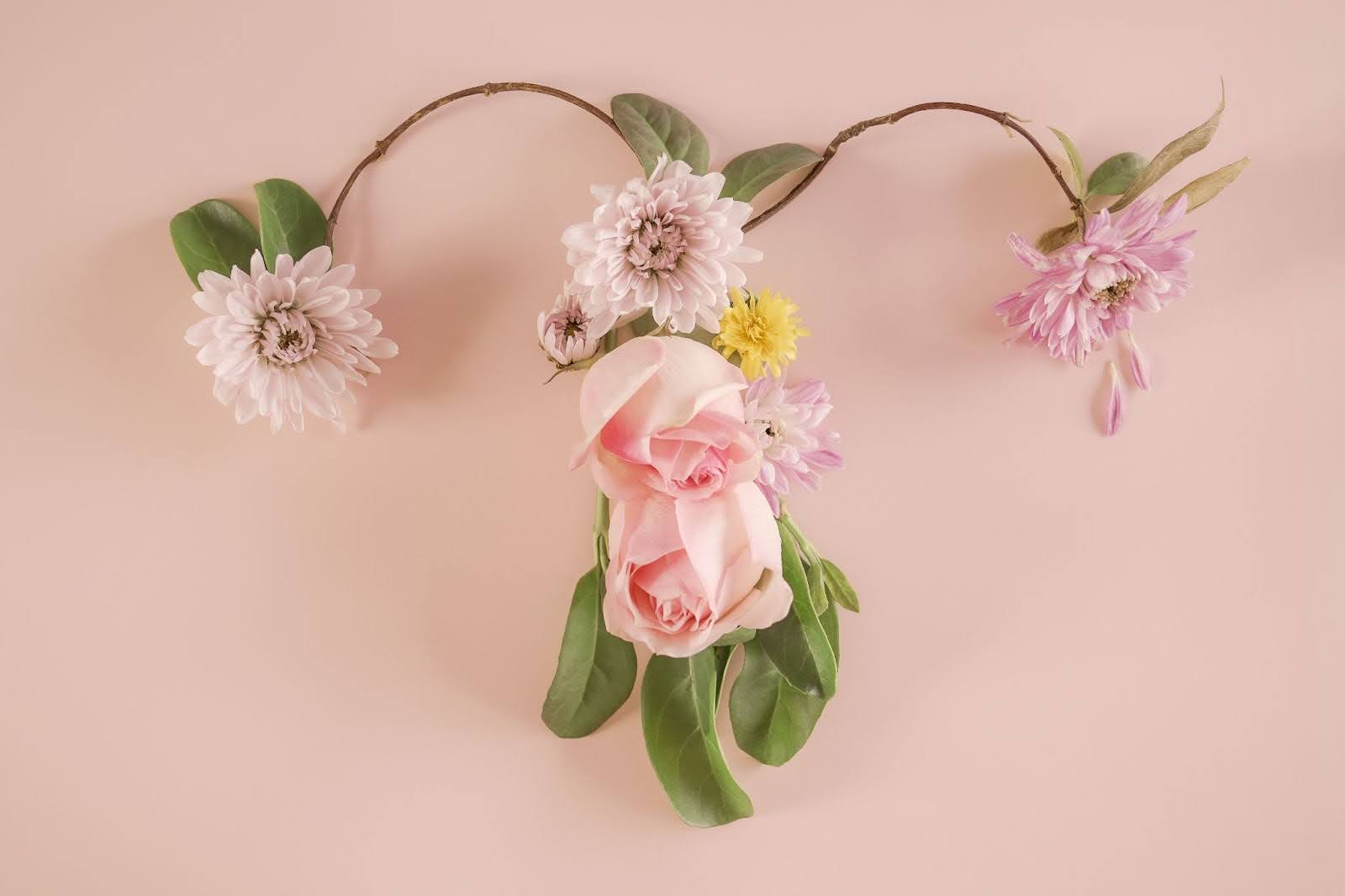
Figure 1: Managing menopause (a natural occurrence) naturally
Many people look for ways to relieve menopausal symptoms effectively without the use of HRT for a variety of reasons. This article gives an overview of some methods to relieve menopause symptoms effectively without HRT.
Healthy lifestyle habits are often the first and an important step in managing menopause with HRT and significantly improving wellbeing. These habits include:
Sometimes, when lifestyle habits cannot be enough, HRT medication is not an option. Prescription medications like antidepressants (at low doses), some anti-seizure medications or blood pressure management. Please speak to your healthcare provider about these prescription medications.
Symptoms such as vaginal dryness or intimate discomfort can be managed by using moisturisers (to increase moisture and reduce irritation), lubricants (applied during sexual activity to reduce discomfort) and pelvic floor exercises to improve bladder comfort and sexual comfort.
Healthy lifestyle changes are important for managing menopause without Hormone Replacement therapy or other medications. These lifestyle habits for getting through menopause naturally include:
Regular physical activity:
Balanced nutrition:
Sleep schedule
Stress reduction and well-being:
These lifestyle changes can make a significant impact on addressing menopause symptoms naturally and without medication.
Menopause is a natural and biological process and while some people experience significant symptoms that benefit from specific treatments, most people manage the transiton successfully with lifestyle adjustments, self-care strategies and supportive therapies.
Menopause symptoms occur as the ovaries stop producing hormones like oestrogen and progesterone naturally. Common symptoms of menopause include:
However it is important to note that not everyone experiences these symptoms and intensity can vary hence different ways of managing menopause is very feasible.
Many menopause symptoms can be managed with lifestyle changes, especially if symptoms are mild to moderate. These lifestyle changes include:
There are several supportive options for menopause symptoms without taking medications too. These include:
So yes it is possible to go through menopause without any medication but please consult regularly with your healthcare provider to manage your symptoms and also manage your long-term health.

Figure 2:Relieve menopause symptoms and improve mood through natural mechanisms
While HRT can relieve many menopausal symptoms, some people prefer to manage menopause without hormones. A combination of lifestyle changes, supportive therapies and preventive health strategies can reduce symptoms and improve well-being during this stage of life. These strategies include:
Staying physically active:
Regular physical exercise can manage menopause symptoms and support long term health. The benefits of physical activity include:
Helpful Diet habits:
A nutrient rich diet supports energy levels, bone health and heart-health during menopause. In this diet, one should aim to include calcium rich foods (dairy products, tofu and leafy greens) to support bones; ensure adequate vitamin D levels (to help body absorb the calcium) and contain a balanced meal consisting of whole grains, fruits, vegetables and lean proteins for balanced nutrition.
Improved sleep quality:
Night sweats and hormonal changes can often cause sleep disturbances. Tips for a better sleep during menopause include:
Managing stress and emotional well-being:
Hormonal changes during menopause can influence mood and emotional health. Managing stress effectively can be helpful in reducing anxiety and mood swings. Helpful approaches include:
Please speak to your healthcare advisor about coping with menopause without HRT.
Managing menopause without Hormone Replacement Therapy (HRT) is possible for many people through a combination of lifestyle adjustments, supportive therapies and non-hormonal medical treatments. The key takeaways on how to beat the menopause without HRT include:
Menopause is a natural stage of life:
Menopause occurs in all women when the ovaries naturally stop producing oestrogen and progesterone and eventually there is a natural cessation in the occurrence of menstrual periods. While symptoms can vary widely, menopause is a natural transition for all women.
Symptoms can often be managed without hormonal therapy:
Most individuals can successfully cope with menopause symptoms such as hot flashes, sleep disturbances, mood changes and vaginal dryness without hormonal therapies. These strategies include lifestyle changes, behavioural therapies and supportive treatments.
Healthy lifestyle habits can make a significant differences in managing menopause symptoms:
Adopting certain lifestyle habits can reduce symptom severity and improve overall wellbeing, these lifestyle habits include:
Preventive health is important after menopause:
Lower hormone levels during menopause can increase the risk of certain conditions including osteoporosis, heart disease and metabolic diseases. Maintaining an active lifestyle, eating a nutritious diet and attending regular health check-ups can help reduce long-term risks and survive menopause without HRT.