
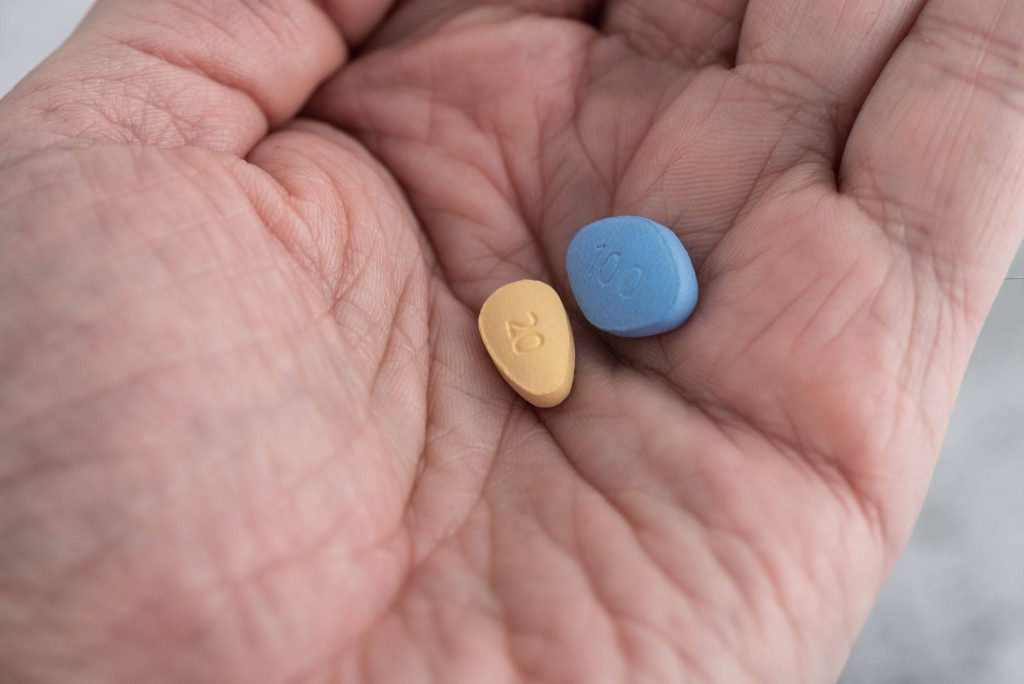
It can be very frustrating when erectile dysfunction medications like sildenafil (also known as viagra) or tadalafil produce inconsistent results. They can be very effective one day and seem to stop working the next day. This is not uncommon in the treatment of erectile dysfunction, the most commonly used medication is a phosphodiesterase-5 (PDE-5) inhibitor which aims to increase blood flow to the penis when aroused. In fact, there can be many reasons why ed medications stop working. In this article we talk through the different factors that can influence the effect of ED medication and why inconsistent benefits do not automatically mean the medicine is not working for you.

If you have noticed that the effects of erectile dysfunction medication seem to be a little on and off, you are not alone. It is not uncommon to experience the ed pills inconsistent results because there are a range of factors that can affect how your body responds to treatment. This can range from the food you eat, how stressed you are, the dose of the medication, to any influence from your past medical history. Let’s explore some of these factors in more detail:
In terms of medical erectile dysfunction treatment, a type of medication called a PDE-5 inhibitor is likely to be used. PDE-5 inhibitors (e.g sildenafil, tadalafil) do not cause an erection automatically, the effect of the medication is to support achieving or maintaining an erection when sexually aroused. Hence, the time when you take the medication is quite important. If you take it too close or too far in advance of intercourse, the effect of the medication may seem minimal.
Regardless of whether you are taking sildenafil, tadalafil or a similar medication, it will take a bit of time to be effective because the medication needs to build up to effective levels in the bloodstream after being absorbed. Different types of PDE-5 inhibitors may require varying amounts of time to take effect, for example, tadalafil can be taken a few hours before sexual intercourse while it is advised that sildenafil is taken around 1 hour before intercourse.
Another factor that can influence the experience of using ED medicines is the association with food intake. Notably, meals high in fat content or simply a large meal can interfere with how quickly some ED medicines are absorbed. This may mean that you feel less of the effects of the ED medication or the effects may take longer than expected.
Alcohol intake should also be watched more carefully. Even without ED medication, excess alcohol consumption is a common cause for erection problems. This is due to its effects on blood circulation, the nervous system, and coordination. Thus it is probably not surprising that doctors recommend cutting down on alcohol intake when taking ED medicines.
The effectiveness of the ED medication may also be influenced by low levels of arousal or high stress. These can be due to external factors such as work pressure, fatigue, or relationship communication difficulties which the medication cannot solve. If you notice a link between social factors and erection problems, this may help explain why ed drugs work sometimes but not other times. ED medication is designed to support an erection during arousal, however if that first step is already affected and you are finding it difficult to be aroused, then it is likely that you will not experience the desired effects from the medication.
If you have any underlying physical health conditions, this is likely to contribute to erection difficulties. In particular, if you have a problem with your blood vessels, your hormonal balance, or your nervous system, this may impact your experience of the effectiveness of ED medication. Let’s go through some of the factors in more detail:
There are different doses that PDE-5 inhibitors can be taken in. The strength of the medication can be adjusted based on how you respond to the treatment including effectiveness or any side effects. If you are not feeling any effects from the medication or the effects are inconsistent, it is possible that the dose is too low for you and at a review with your doctor, they may consider increasing it. However, there is also an increased risk of experiencing side effects if the dose is too high. It is important to remember that any dose or medication change should be done with medical guidance after consulting your doctor. This is to make sure the treatment is safe and suitable for you.
If you have any pre-existing medical conditions, you may also be taking regular medication. There is a possibility that your regular medication may interact with ED medications (e.g Sildenafil, Tadalafil). If you are considering starting on medicines for ED, please inform your doctor of any past medical conditions and any medication that you take (including any recreational drug use). Your doctor can then assess the risk of any medications interacting which could bring about harmful side effects. Often it is a case by case situation, ED medication may be deemed an absolute ‘no’ alongside certain medicines while for other medicines it may be safe if you are careful with timing. Some examples of medications that can interact with PDE-5 inhibitor ED medicines include:
If you have made all the above changes and you still do not know why ed drugs stop working, you may want to consider if psychological factors are a bigger concern in erection problems compared to a physical problem. Any form of psychological concern or relationship problem can increase performance anxiety, reduce sexual arousal, and reduce libido. If you have been feeling particularly stressed, anxious, or low this will likely contribute towards ED problems and also influence the effectiveness of ED medication. If you only experience erection difficulties during certain scenarios (e.g partnered intercourse) but not in others (e.g masturbation, mornings), this may suggest that the erection problems are predominantly psychological rather than physical and the medication may not be the most suitable treatment for you.
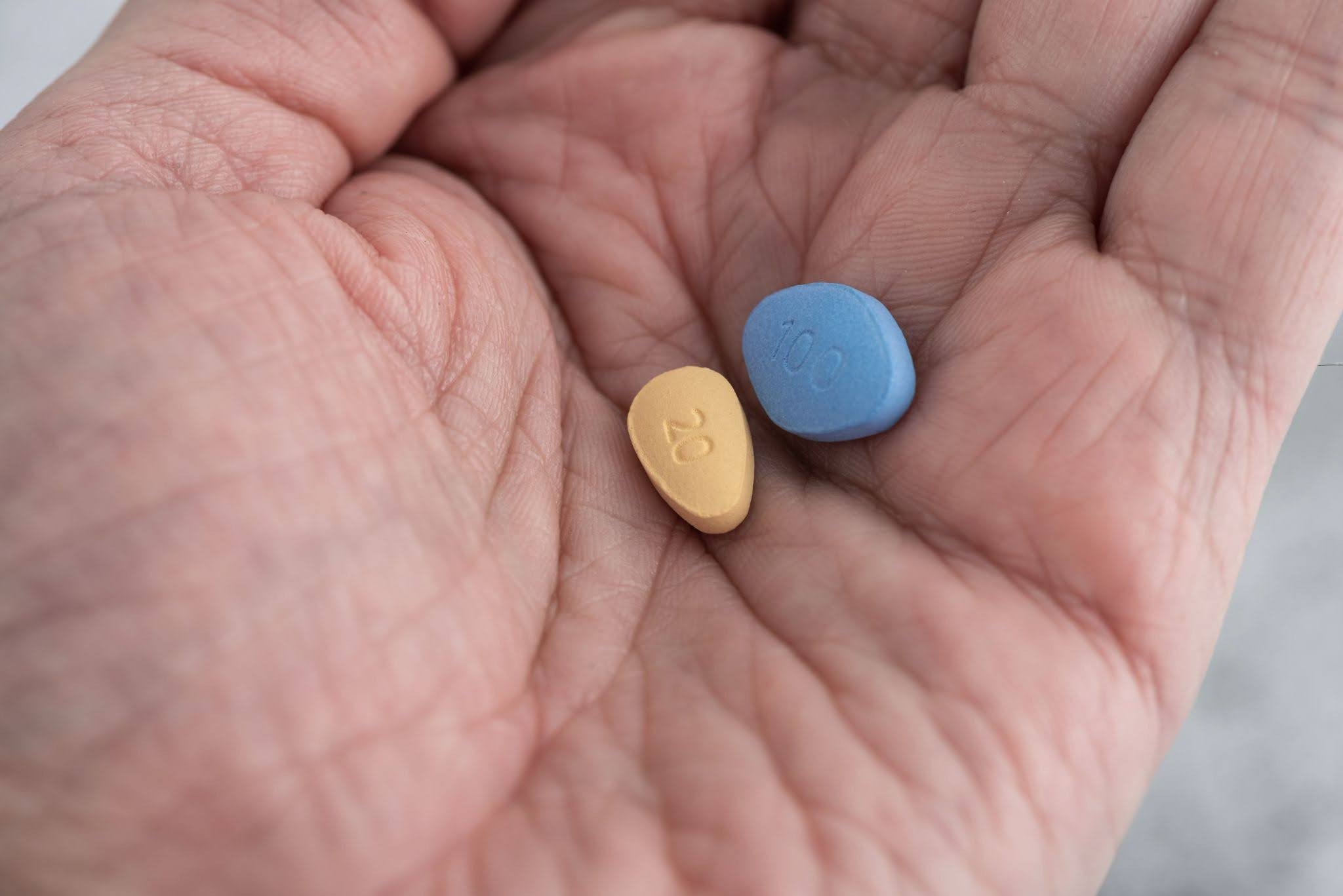
If you have tried an ED medicine for some time and you feel that it is ineffective or the effects are inconsistent, do not just switch to a new medication on your own. In this case it is best to bring up your concerns with your doctor who can discuss the situation and consider next steps with you. Some other things you may want to consider before you speak to your doctor about the ED drug being ineffective include:
Here at Meds for Less we are committed to providing a personalised, affordable, and safe patient experience. Erectile dysfunction is actually fairly common and while self-management strategies can be helpful, some people may benefit from medical advice. In fact, in some cases it may be an early sign of a condition e.g cardiovascular disease. This does not mean you will automatically be put on ED medication. The doctor will likely take a history and maybe send for some blood tests to assess your situation and discuss next steps with you. Thus, if you experience any of the following, you may wish to consult a medical professional about erectile dysfunction: