
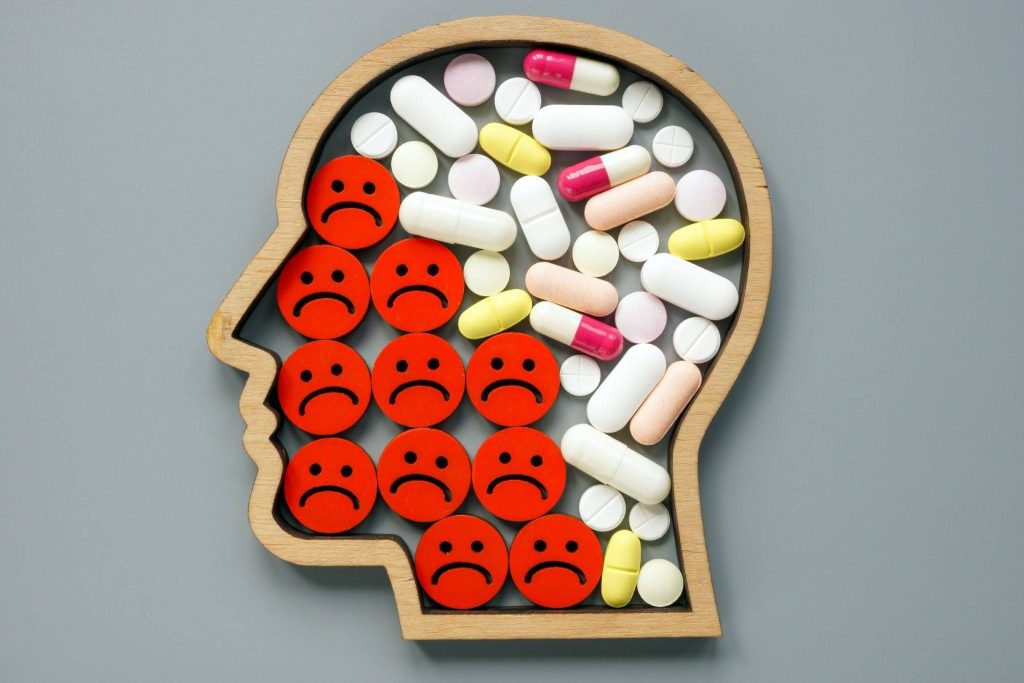
Which is the best anxiety medication for long term use? This question actually depends on how someone might describe their anxiety. Is it a generalised anxiety disorder or is it that you get anxious in specific situations, e.g public speaking or driving? Read on to learn more about Anxiety and Depression Medication (as they can sometimes overlap).
Generally, the goal of Short-Term Anxiety Medication is to relieve the physiological effects of anxiety. This is the feeling of chest tightness, racing heartbeat, shaking, and sweating. A commonly used short-term anxiety medication is propranolol, a type of beta blocker medicine. This can help to calm you down by slowing your heart rate and reducing the stress response. The medication works quickly, typically within 1 hour of taking it. As such, propranolol is typically prescribed to be taken ‘as needed’ for example before a stressful event.
On the other hand, long-term medications are not meant to provide quick anxiety relief. You will likely have to take the medicine for a few weeks before the effects of the medication can be felt. For these long-term medications, the goal is to almost rewire how the brain manages stressful events in the long term. Some examples of long-term anxiety medication are selective serotonin reuptake inhibitors (SSRIs) and Serotonin Norepinephrine reuptake inhibitors (SNRIs). These are the first-line pharmacological treatment options for anxiety disorder and are hence commonly used, you may have heard of some of the drug names like sertraline. This works by increasing the amount of serotonin in the brain to improve regulation of mood and worry.
So if we were to compare short-term and long-term anxiety medication generally, there are quite a few areas that they differ on. For example:
| Medication | Short-term anxiety medication | Long-term Anxiety Medication |
| What do they do? | Tackle the physiological symptoms of anxiety e.g racing heart, sweating, shaking | Increases the amount of certain neurotransmitters (e.g serotonin) in the brain to help with mood regulation |
| How fast do they work? | Very fast, usually under 1 hour | More slowly, it usually takes 2 to 6 weeks to feel the effects of the medication |
| What is the goal of taking this medication? | Quick relief of physiological symptoms to help calm you down | Rewiring and improving mood regulation and reducing anxiety long term |
| Examples of medication names | Propranolol, Diazepam | Sertraline, Venlafaxine |
| How long would you take it for? | Often people take this as needed, for example before a stressful event rather than continuously | It is generally recommended that people give at least 6 months to see if the medication works well for them |
Short-term anxiety usually happens during a stressful event or acute situation hence medication to target this is designed to work quickly. The quick relief usually works within one hour (rather a few weeks like long-term medication) and usually acts to reduce the physiological symptoms like a racing heartbeat, shaking, and sweating. The main example of this is propranolol which is a type of beta blocker drug. It is considered the first line medication to relieve short-term anxiety especially when there is a clear situational trigger e.g public speaking, exams. There are other medications that can be used to tackle short term anxiety such as sedating antihistamines and benzodiazepines, but they are less common compared to propranolol. This is because short term anti anxiety medication like sedating antihistamines and benzodiazepines may have safety concerns such as sedation and dependence.
Medication for long-term anxiety is usually taken daily and for a longer period of time. It may take more than a month for the effects of the medication to be felt hence it is advised that you give at least 6 months of consistent use before assessing if it has been effective. Research also suggests combining long-term anxiety medication with a form of talking therapy yields the best results. There are several options available so I won’t bore you with the long term anxiety medication list. The two main examples of this are Selective Serotonin Reuptake Inhibitors (SSRIs) and Serotonin-Noradrenaline Reuptake Inhibitors (SNRIs). Both these drug groups work fairly similarly, the goal is to increase the amount of chemicals in the brain that can help regulate mood and worry. The downside is that for some of these medicines, when you first start taking it, anxiety can actually spike in the first two weeks. There are also long term effects of anxiety medication, especially if you stop taking it suddenly.
In very general terms, anxiety medications aim to do one of two things: relieve the physiological effects of anxiety, or ‘rewiring’ to help with mood regulation and worry (long term anti anxiety medications). The type that acts to slow down your heart rate, and manage the shaking and sweating is usually the type that works very quickly. Most people will feel the anxiety relief within 1 hour of taking it. As such, this works best for situational anxiety e.g before a performance or exam. Conversely, the ‘rewiring’ type of medication will take weeks to take effect and around 6 months to properly start working. This is because it is trying to address the anxiety disorder at a deeper level.
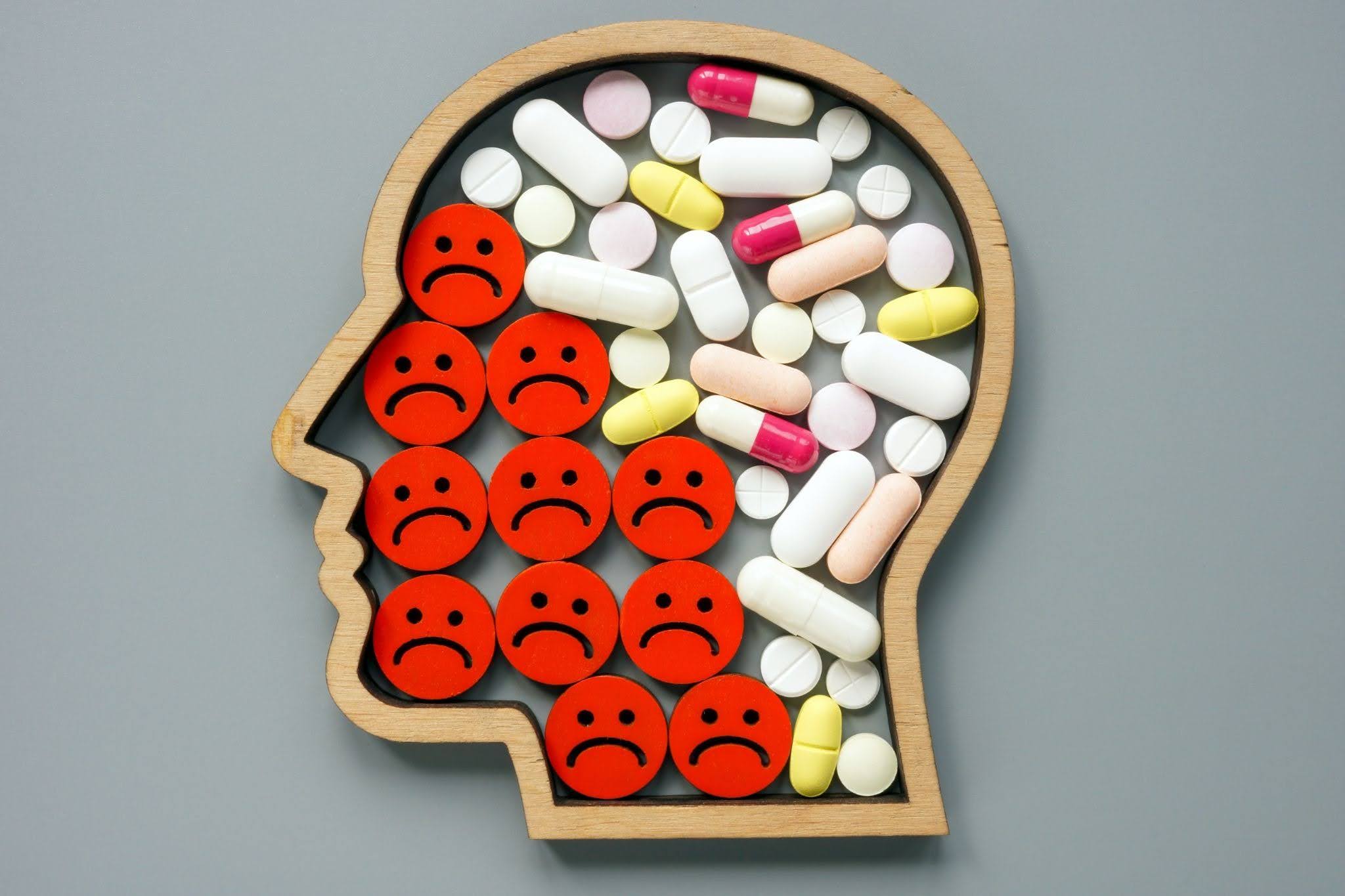
When thinking about the best short term anti anxiety medication, it is important to acknowledge that there can be risks and side effects associated with short-term and long-term use of anxiety medication. To help you be more informed about the medication you may be taking/ considering, here is a general outline:
| Drug | Risks and Side Effects of Short-Term Use | Risks and Side Effects of long term use of anxiety medication | |
| Beta blockers (Short-term medication for anxiety) | Lightheadedness, slow heartbeat | Bronchospasm | |
| Benzodiazepines | Balance and coordination problems, drowsiness | Seizures | |
| SSRIs/SNRIs(Long term anxiety medication uk) | Increased anxiety, increase suicide risk, stomach/digestive upset | Weight gain, sexual dysfunction | |
This will mostly depend on what kind of anxiety disorder is being treated and what medication someone is taking. There will also be many individual factors at play. For example, if someone has generalised anxiety disorder, the minimum advised time for taking an ssri is 6 months. After this, the treatment response is reassessed; in some cases people can take an ssri for years. If you have questions or concerns about the duration of your treatment, please consult your healthcare provider.
So what is the best medication for anxiety? There is not one superior medication that is recommended to everybody, the treatment will depend on what symptoms you experience and how it affects your quality of life. For example, is your anxiety general or are there particular situations that trigger it? Other individual factors will also come into play such as any past medical history (e.g asthma), whether you take other medications, and if you have tried talking therapies before.