
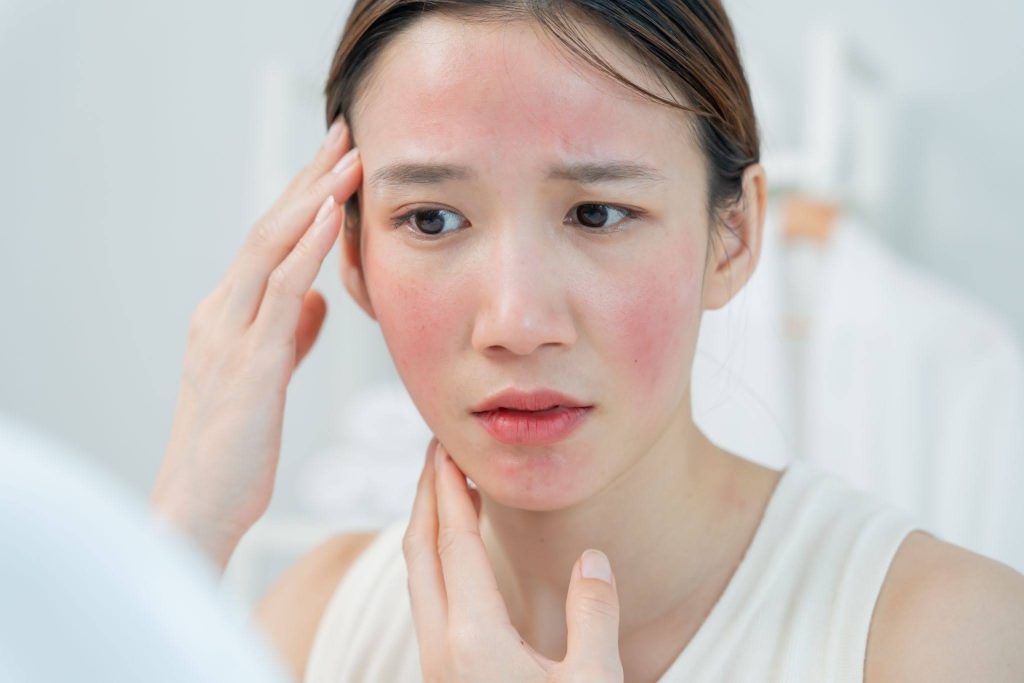
There are actually quite a few things that can flare rosacea. This can be annoying, but if you are aware of individual factors such as environmental or lifestyle factors, it can help to manage your rosacea effectively. While these factors do not cause the rosacea, reducing your exposure to triggers for rosacea can decrease the sudden flushing or persistent redness.
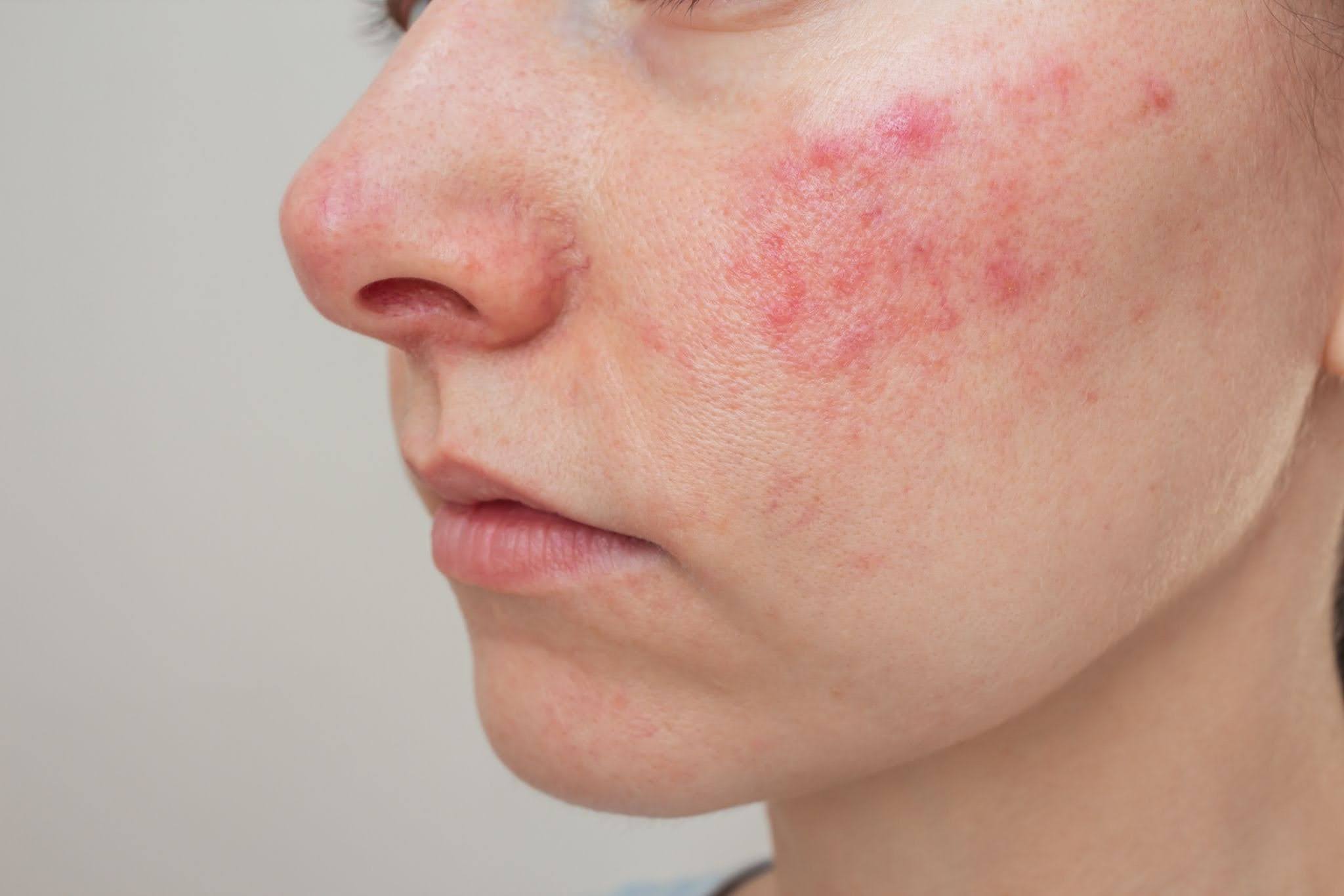
Some of the most common rosacea triggers can be found in everyday life, these include the weather, food and drink, lifestyle, and certain medications. Taking measures to avoid these if possible can help you maintain better control of your acne.
| Weather and Environment | Ultraviolet exposure is one of the most well established triggers for rosacea. Whether it is a sunny or cloudy day, UV exposure can cause rosacea to flare. Extremes of temperature such as intense cold, saunas, high heat etc. can also flush rosacea. |
| Food and Drink | Alcohol can cause flushing and flare rosacea. Red wine, beer, and spirits are the worst for this. Spicy foods and aged dairy products are some examples of foods that trigger rosacea Hot drinks (e.g tea and coffee) can suddenly heat up the face and trigger a flushing response. |
| Lifestyle | Stress and anxiety can also stimulate the nervous system and trigger a rosacea flareHarsh skincare products with strong active ingredients or rough facial scrubs can irritate the delicate skin on the face and trigger a rosacea flare. |
| Medications | Vasodilating medications such as blood pressure medications, certain heart condition drugs, and migraine medications can worsen the flushing in rosacea. Read more about these medications and their side effects here at Meds for Less.Steroid creams on the face can also trigger rosacea. |
As mentioned, food is one of the main triggers for rosacea, specifically: spicy foods, dairy products, and chocolate. If you can try to avoid these foods, it may help decrease the frequency or severity of a rosacea flare. However, not all of these foods will be problematic for everyone with rosacea. Thus some people find that keeping a food and skin diary can be helpful to track what particular foods can trigger the rosacea.
Spicy foods are some of the most common food triggers for rosacea. Foods like chilli peppers, jalapenos, cayenne pepper contain a compound called capsaicin. This compound can make it seem like the body is overheating and in response, the nervous system triggers the blood vessels to widen to try and get rid of the ‘heat’. In rosacea, this leads to symptoms of flushing and sweating, particularly in the face.
Dairy products are not always a trigger for everyone with rosacea. For some people, certain compounds usually found in aged dairy products e.g aged cheese like parmesan or yoghurt can stimulate an inflammatory response in the body. This can expand the blood vessels and make them leaky leading to swelling or redness on the face.
Chocolate can also unfortunately be a trigger for some people’s rosacea. Whether it is the sugar content, a chemical called cinnamaldehyde, or the cacao, some people can get an inflammatory response to chocolate leading to flushing or papules on the face a few hours after eating it.
Some other potential dietary food triggers are:
These may trigger someone’s immune system to release inflammatory chemicals which lead to flushing and facial warmth.
To summarise some of the key foods that irritate rosacea, here is a tablet that outlines examples of each food and how it might affect you.
| Rosacea diet triggers | Examples | Possible effects | Recommendations |
| Spicy food | Chilli, jalapenos, hot sauce | Quick onset of flushing or a burning sensation | Limit intake and try to substitute with herbs or milder spices |
| Dairy products | Aged cheese (e.g parmesan), sour cream, yoghurt | Itchiness, swelling, redness | For dairy rosacea prone people should limit intake and try to substitute with unaged cheese e.g mozzarella or ricotta |
| Chocolate | Chocolate desserts or sweets | Patchy redness and bumps on the face | For chocolate rosacea prone people should limit intake and try to substitute with other sweet things e.g berries |
In summary, it might be helpful to keep a diary of how your skin reacts to different foods so you can identify what foods trigger rosacea for you. Limiting the intake or cutting out these foods can help to decrease the severity or frequency of the uncomfortable flare symptoms. Common culprits are spicy foods, aged dairy products, and chocolate.
Does alcohol trigger rosacea? Yes, alcohol triggers a rosacea flare in most people. It is thought that the inflammation from an increase in a chemical called histamine from drinking alcohol is what triggers rosacea flare ups. It is this inflammatory response that brings about the symptoms of redness, flushing, and swelling in the face. Hence, it is advised that you cut down on your alcohol intake and avoid it if possible to minimise the symptoms of rosacea.
So can stress trigger rosacea? Yes, stress is another well established trigger for a rosacea flare-up. This is thought to be due to the body’s biochemical reactions to psychological stress. In times of stress, the brain triggers the nervous system to release chemicals and hormones that can lead to an inflammatory response. This can trigger or worsen the bumps on the skin, itchiness, swelling, and flushing seen in rosacea.
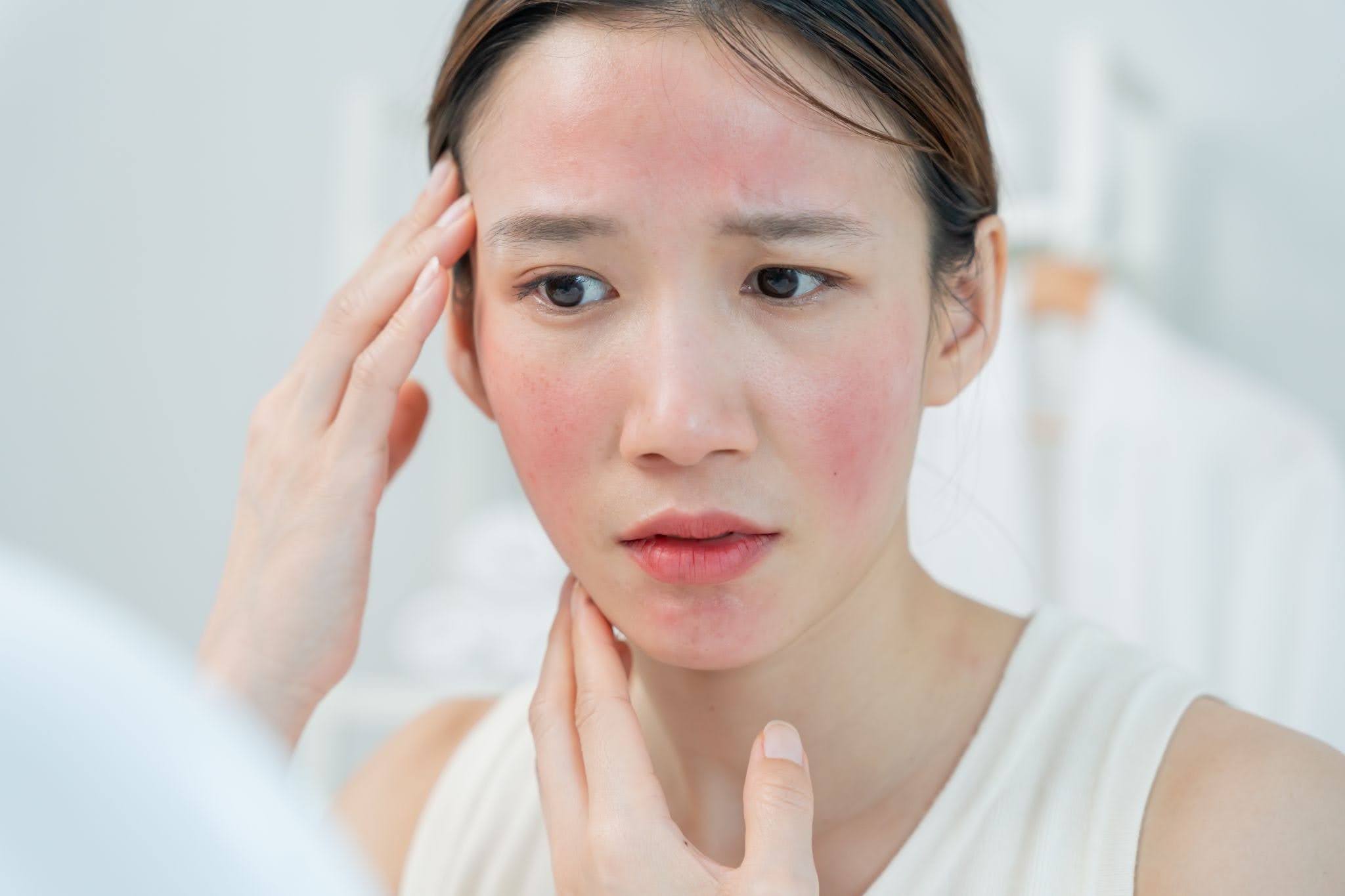
Environmental changes are a key trigger for a rosacea flare. In particular, ultraviolet exposure can stimulate inflammation in the skin and damage the small vessels long-term in rosacea-prone skin. Whether it is a sunny or cloudy day, UV exposure can cause rosacea to flare. In fact, any extremes of temperature such as intense cold, saunas, high heat etc. can also flush rosacea. This is due to the sudden effect on the small blood vessels which widen or narrow in response to temperature. For people with rosacea, the response from the small vessels can be extreme and lead to persistent flushing.
Intense aerobic exercise or cardio (or even going to a sauna) can trigger rosacea due to the sudden rise in body temperature. When your body temperature rises, the brain tells the blood vessels to widen which helps to release the heat. This aims to cool your body down but for someone with rosacea, it can mean immediate, intense flushing in the face that may not settle easily. Some other lifestyle factors that can contribute to inflammation in the body are lack of sleep and emotional stress. This can worsen the flushing, swelling, and bumps on the skin.
If you have rosacea, it is best to stick to neutral skin products designed for rosacea-prone skin. Follow this link to learn more about dermatology medications. This is because people with rosacea already have a very sensitive skin barrier and many skincare products can get to the deeper parts of the skin to cause stinging, redness, or a burning sensation. For example:
Amongst rosacea triggers alcohol and UV light are the most common. Other factors are often very individual. What can really affect one person might not have any effect on another. Keeping a rosacea diary to track food, drink, weather, skincare products, and activities can help identify individual triggers. When you experience a flare, write down what you were doing in the few hours before. Once you have identified a trigger, avoid it or remove it from your day to day and assess if this has a reaction in your skin.
Most cases of mild rosacea can be managed by avoiding the trigger, changing lifestyle habits, or using over the counter Acne and Rosacea Treatments. However, if your symptoms are getting worse or your symptoms do not improve even after making changes to avoid triggers, it is advised that you consult a doctor. Some examples of symptoms that should be seen by a doctor include: