
Medications for ADHD and Narcolepsy
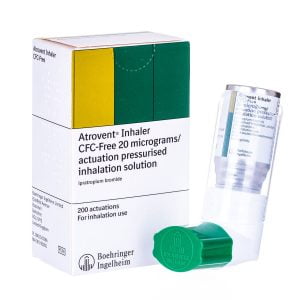
Atrovent Inhaler (CFC free) 20 Micrograms 200 Actuations
Understanding Medications for ADHD and Narcolepsy
Understanding ADHD and Narcolepsy: Key Symptoms and Challenges
ADHD and Narcolepsy are two independent cognitive conditions. Attention Deficit Hyperactivity Disorder, or ADHD is characterised by difficulties with concentration, hyperactivity and erratic behaviours.
Whilst Narcolepsy is a condition that presents with symptoms of excess daytime sleepiness, cataplexy, difficulties with concentration, sleep attacks, and several other behavioural abnormalities.
ADHD typically appears in childhood but can last into adulthood. ADHD has a prevalence of up to 5% amongst adults.
Whilst ADHD cannot be cured, it can be treated. There are range of medications available on the NHS, or some people choose to consult private practitioners to buy ADHD medication.

Key ADHD symptoms include:
- Short attention spans and a poor ‘scattered’ memory.
- Troubles with organisation.
- Struggles with time management.
- Losing things regularly.
- Hyperactivity and Impulsiveness actions.
- Excessive movement and fidgeting.
- Excessive talking and being unable to wait their turn to talk.
- Reduced sense of danger.
These symptoms can cause many problems, especially in childhood. Children with ADHD are often miscategorised and ill-disciplined and suffer from poor academic performance and poor social interactions. It’s therefore important key individuals in a child’s life adequately understand the condition.
There is some evidence being born prematurely, having a low birthweight or smoking, alcohol or drug abuse during pregnancy is also linked with ADHD. When making a diagnosis, doctors will consider all these factors.
Key Narcolepsy Symptoms Include
Narcolepsy is a neurological condition estimated to affect around 25,000 people in the UK. It is most commonly diagnosed in adulthood and is characterised by difficulty regulating sleep–wake cycles and circadian rhythms. Although narcolepsy cannot be cured, symptoms can be effectively managed with appropriate treatment, including Narcolepsy drugs used alongside lifestyle adjustments.
Key symptoms of narcolepsy include:
- Excessive daytime sleepiness
- Sudden sleep attacks
- Cataplexy – short-term muscle weakness often triggered by strong emotions such as laughter, excitement, or anger
- Sleep paralysis
Narcolepsy can present differently from person to person, and symptoms may vary in severity. There is also evidence that hormonal changes, such as those occurring during puberty or menopause, may trigger or worsen symptoms in some individuals.
Effective Treatments for Narcolepsy: Stay Alert and Focused
Managing Narcolepsy should be done injunction with a team of clinicians – typically neurologists, sleep specialists and your GP.
Generally, management of narcolepsy can be broken down into two categories:
Non-pharmacological treatments
- Good sleep hygiene practices / a good sleep routine, such as turning of screens an hour before bedtime and starting to wind down before bedtime and/or scheduling in naps.
- Counselling and support services.
Pharmacological Treatments
There are range of narcolepsy medication uk that doctors may prescribe. These include stimulants such as Modafinil, Dexamfetamine, Methylphenidate (Ritalin) or Sodium Oxybate.
Other medications may also be used such as SNRIs or Tricyclic antidepressants. Ultimately, when treating Narcolepsy with medication, medicines will be prescribed and amended as necessary by the team of doctors managing your treatment.
Choosing The Right Medication: Factors To Consider
There is some overlap between medications which may be prescribed for ADHD and Narcolepsy however ultimately these conditions will be managed, and medications prescribed by doctors and clinicians.
Some factors that a doctor may consider when prescribing these medications include:
- The patients age.
- Pattern and severity of symptoms.
- Co-existing conditions.
- Medications a patient is currently taking.
- Side-effect profile of medications.
- Potential for misuse.
- Any other contraindications.
Benefits of Prescription Medications for ADHD and Narcolepsy
Prescription medication can greatly improve quality of life for those diagnosed with ADHD or Narcolepsy. However, it’s important Narcolepsy meds and ADHD meds are prescribed, managed and reviewed by health care professionals.
ADHD
Medications for ADHD can help regulate brain chemicals leading to better control of impulses, improvements in attention span and organisation. This helps to improve performance in work, school and life in general. There are no over the counter ADHD medication UK, however some people find some therapeutic benefit with caffeine and supplements such as iron and zinc.
Narcolepsy
Medicine for narcolepsy can improve wakefulness for suffers and help reduce sleep attacks. this can lead to improved alertness and more consistent daily patterns, helping to improve quality of life.
Safety, Side Effects and Ongoing Monitoring
Medications used to treat ADHD and narcolepsy are effective but require careful use and regular monitoring. These medicines act on the central nervous system, which means treatment should always be started, adjusted, and reviewed by a qualified healthcare professional.
Some people may experience side effects, particularly at the beginning of treatment or after a dose change. These can vary depending on the medication and individual response, which is why regular follow-up appointments are important when using treatments such as Narcolepsy medication UK or prescription medicines for ADHD.
Ongoing monitoring helps ensure that treatment remains effective while minimising unwanted effects. This may include reviewing symptom control, checking sleep patterns, assessing mood or appetite changes, and adjusting medication where necessary. Patients should report any new or worsening symptoms to their healthcare provider promptly to ensure safe and appropriate long-term management.
Complementary Therapies to Enhance Treatment Outcomes
There are several complimentary therapies which can work nicely in conjunction with other treatments for suffers of both ADHD and Narcolepsy.
For ADHD, educational support can be very beneficial especially for parents of children diagnosed with ADHD. This can help them better understand and therefore manage the condition. Cognitive behavioural therapy (CBT) has also show great results for individuals with ADHD.
There are no non prescription ADHD medication UK, however some people report success with caffeine and simple supplements such as Zinc or Iron.
These non-pharmacological treatments combined with prescription medication can effectively treat ADHD. ADHD medication is available on the NHS, or some choose to buy ADHD drugs privately.
For those suffering from Narcolepsy, good sleep practices such has having a strict bedtime routine and working naps in can help greatly. Some people suffering with Narcolepsy choose to keep a sleep diary to help keep consistent sleep practices.
Different medications stay in your system for varying durations. For example, some stimulants can be detected in urine for 72 to 96 hours after the last use. The detection period for any medication is influenced by several factors, including urine pH, body weight, frequency and duration of use, dosage, and the time since the last use.
If you have questions about how long a specific medication might be detectable or if you need guidance on medication-related issues, it’s best to consult a healthcare professional or pharmacist. You can contact our trusted medical team at [email protected] with any questions you may have about specific medications.
Recent studies indicate that the use of stimulant medications to manage ADHD symptoms does not increase the risk of seizures or the likelihood of hospitalisation due to seizures in individuals with epilepsy. However, if someone with epilepsy is considering treatment with stimulant medications, it’s crucial to consult with a healthcare professional who is knowledgeable about both ADHD and epilepsy.
In some cases, other medications may address both epilepsy and ADHD symptoms. For example, Carbamazepine can help manage ADHD-related inattention and mood symptoms and is effective in treating partial epilepsy. If someone with epilepsy is considering any stimulant or non-stimulant medication for ADHD, they should consult a healthcare professional who is familiar with both conditions and aware of the patient’s medical history and current medications. This approach ensures a safe and effective treatment plan.
Narcolepsy can exacerbate the symptoms of epilepsy, and vice versa, because both conditions are associated with sleep disturbances. Disrupted sleep can be a significant trigger for seizures and can also increase the risk of cataplexy, particularly when the normal sleep cycle is disturbed. Additionally, some epilepsy medications may further disrupt sleep, potentially worsening narcolepsy symptoms.
When treating a person with both epilepsy and narcolepsy, it is crucial to diagnose and address each condition individually while considering the unique requirements of managing them collectively. This approach ensures that treatment plans are tailored to address the specific needs of each condition without negatively impacting the other.
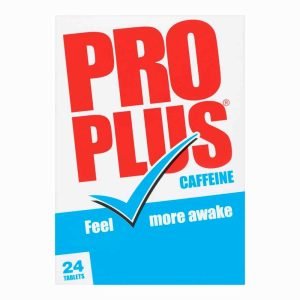
At Meds for Less, we offer a variety of medications, including Pro Plus. To find out which medication is most suitable for you, it’s best to fill out a consultation or speak to our trusted medical team. They can help you determine the right option based on your individual health needs and medical history.
Meds for Less offers a completely online service, making it easy to obtain the medication you need. Simply fill out a consultation form, and our medical team will review it. If it’s approved, you can receive your medication as soon as the day after placing your order. This streamlined process ensures you get the treatment you need quickly and conveniently, without the need for in-person visits.