Anxiety is a normal human reaction to pressure, threat or fear. Many people feel anxiety when there are uncertain outcomes in their life, however anxiety may be considered a disorder when it is long-term, excessive and significantly interfering with work or relationships.
Anxiety can manifest itself in physical and emotional ways. Emotionally, it may cause excess fear or worry, restlessness, regularly avoiding situations and other symptoms. Physically it may cause sweating, trembling, gastrointestinal problems, and other symptoms.
There are various types of anxiety, each requiring specific treatments:
Understanding your type of anxiety is crucial for selecting the right treatment.
There are several types of anxiety disorder, including social anxiety, health anxiety, panic disorder, obsessive compulsive disorder (OCD), and PTSD. Each will have different root causes.
Generalised anxiety disorder (GAD) is a type of anxiety disorder that can cause feelings of anxiousness, fear and worry in a wide range of situations, persistently.
The exact cause of Generalised Anxiety Disorder is not well understood, however there does seem to be some risk factors that make individuals more susceptible to developing GAD.
These include:
Anxiety can often be managed with psychological therapies such as Cognitive Behaviour Therapy (CBT) or other non-pharmacological approaches. However, when symptoms are persistent, severe, or significantly affecting daily life, anti anxiety medication may be recommended. In some cases, the same medication for anxiety and depression can be used, as these conditions often overlap and share similar biological mechanisms.
| Treatment type | Example | How it works / Key information |
| Psychological therapy | Cognitive Behaviour Therapy (CBT) | Used to treat many types of anxiety; non-pharmacological intervention |
| Antidepressant medication (SSRI) | Sertraline | SSRIs block the reuptake of Serotonin in the brain, which helps enhance mood; commonly prescribed in the UK |
| Benzodiazepines | Diazepam | Used sparingly for anxiety attacks; effective short-term but highly addictive and less effective long-term |
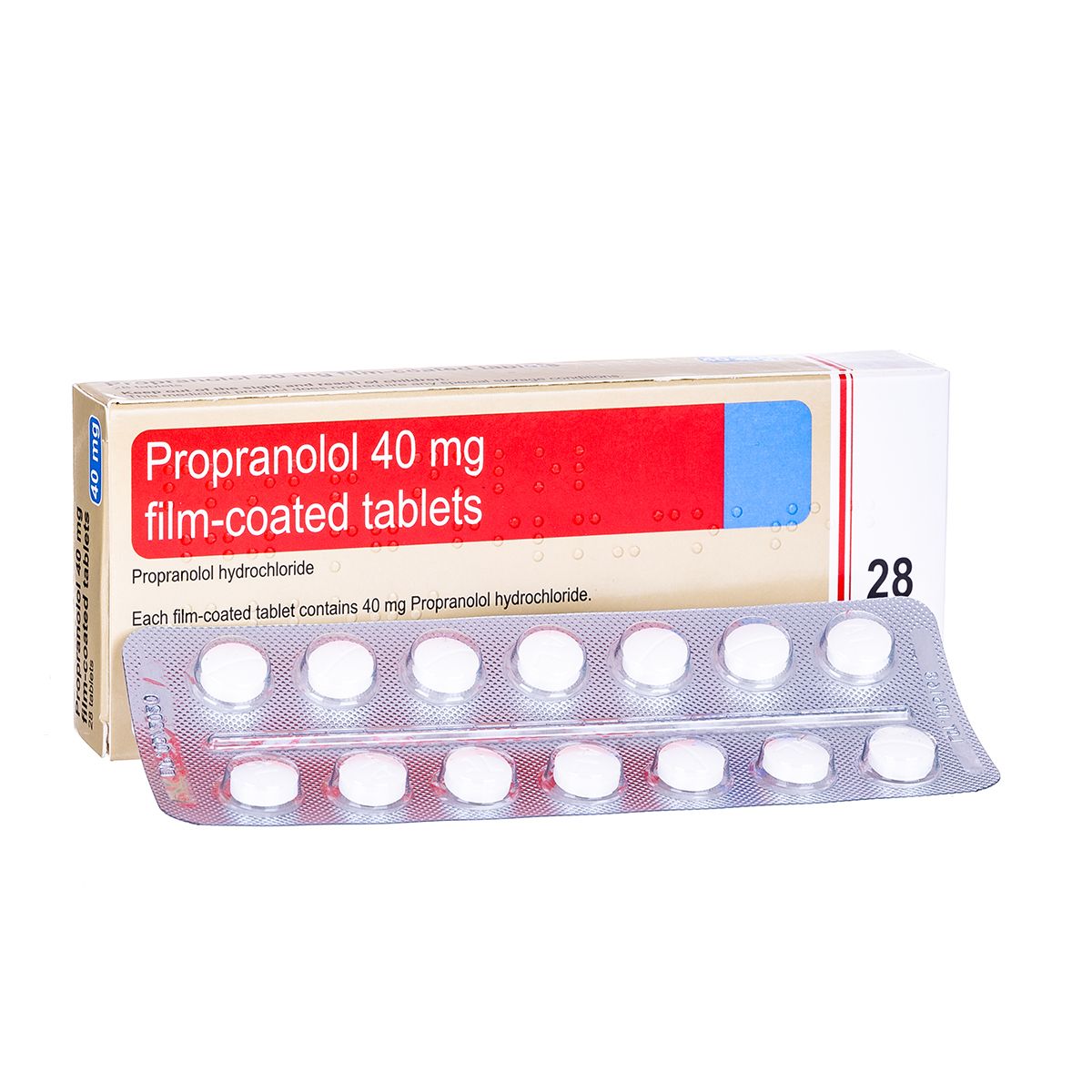
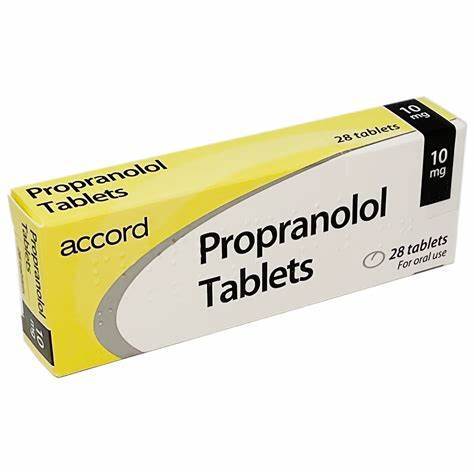
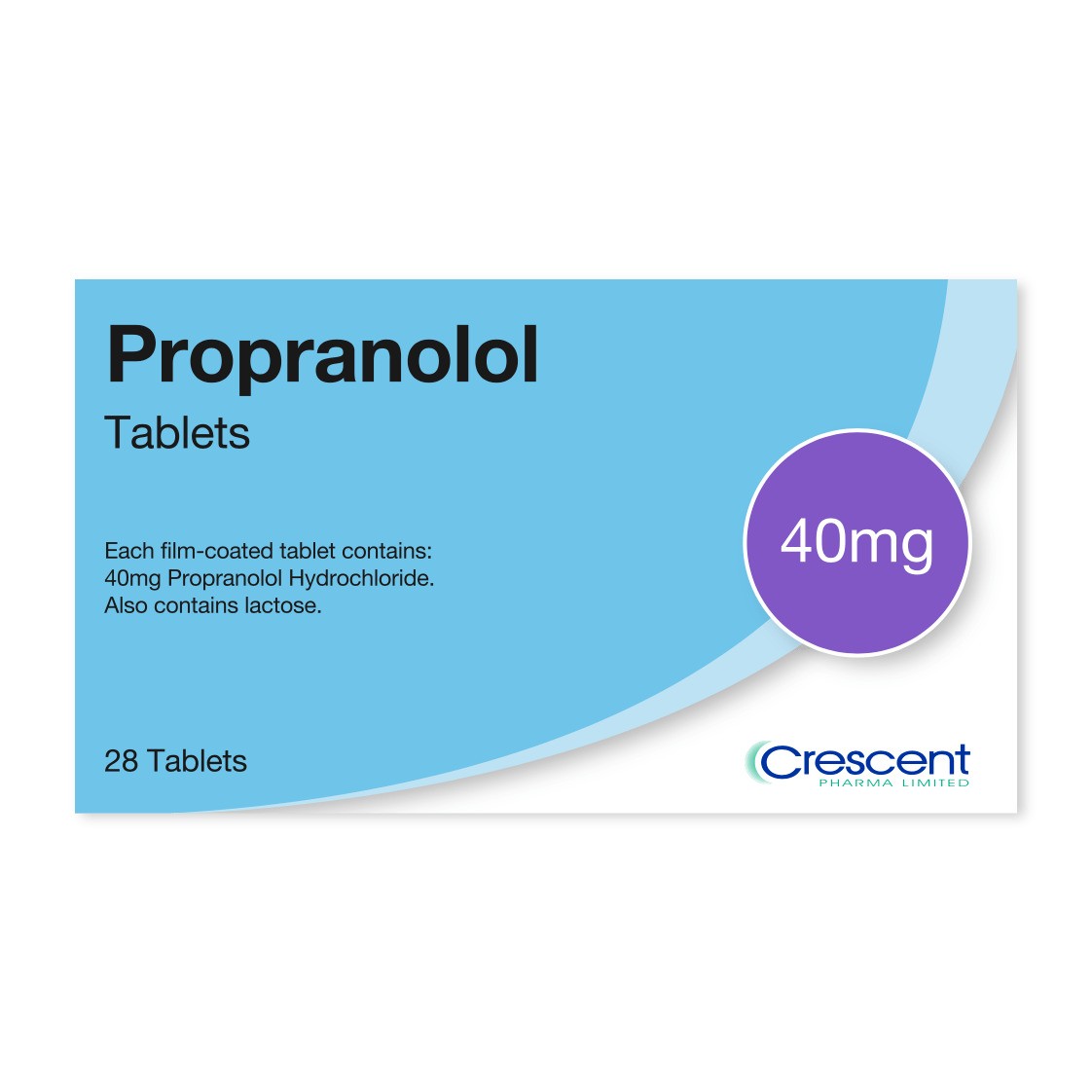
| Beta-Blockers | Propranolol | Help relieve the physical symptoms of anxiety such as racing heart, sweating, blushing or trembling |
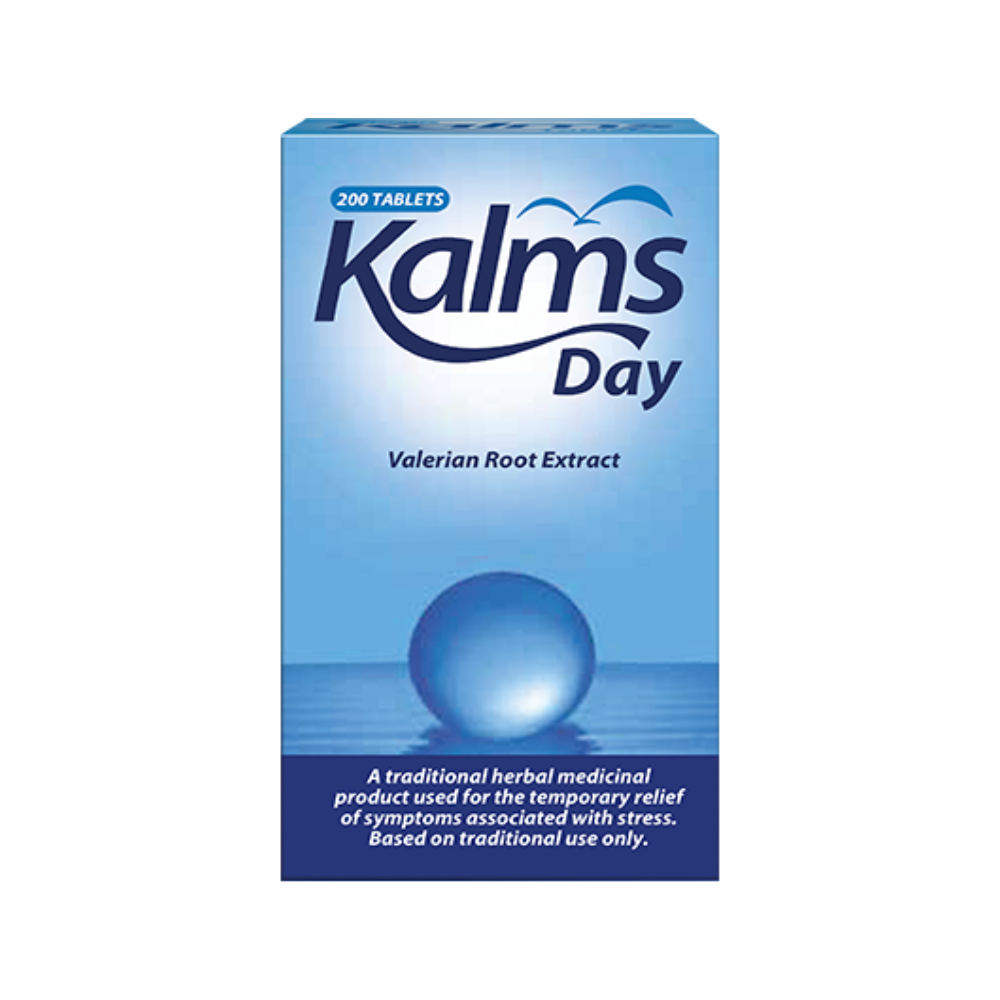
| Herbal remedy (OTC) | Valerian Root (e.g. Kalms Day Tablets) | Known for calming effects and can help reduce anxiety |
The choice of treatment depends on the severity of symptoms, medical history, and individual response to therapy. While some people benefit from short-term use of medication, others may require longer treatment combined with psychological support. A healthcare professional can help determine the most appropriate and safe approach.
Anxiety medication works by influencing chemicals in the brain that regulate mood, stress, and emotional responses. Different types of medication act in different ways:
These medicines, including general anxiety medication, do not “cure” anxiety, but they help control symptoms and allow people to function more comfortably in everyday life.
Daily anxiety medications provide long-term management of symptoms, helping you regain control of your life.
Daily anxiety medication for humans is designed to maintain emotional stability throughout the day.
These medications are particularly effective for treating general anxiety and morning anxiety.
Starting a daily medication plan can help achieve consistent improvement and symptom relief.
Anti-anxiety medications offer many important benefits for people struggling with persistent worry and stress.
They can help to:
For many patients, medication that helps with anxiety and depression provides the foundation needed to return to normal routines and improve overall quality of life.

There are several types of anxiety disorder including health anxiety, panic disorder, OCD, PTSD and others. Each type of anxiety will present with different range of symptoms.
Generalised anxiety disorder is a long-term condition that causes feelings of anxiousness, worry, fear and unease in a wide range of circumstance, persistently.
Some symptoms of GAD include:
General anxiety medications provide a versatile solution to managing symptoms across various anxiety types.
General anxiety medication is suitable for addressing mild to moderate anxiety symptoms.
Medication to help with anxiety helps reduce stress and emotional tension effectively.
Purchasing medication online offers additional benefits, including speed, convenience, and confidentiality.
Fortunately, nowadays you can order anxiety and stress medication, safely and conveniently online at Meds for Less.
When buy medications online you should ensure it’s coming from a legitimate source. At Meds for Less all medications are sourced from UK based, GPhC registered pharmacies and are licenced for use in the United Kingdom.
In cases where anxiety overlaps with depressive symptoms, anti anxiety and depression medication may be prescribed to address both conditions simultaneously. SSRIs and SNRIs are commonly used to manage mood regulation, while also reducing panic or obsessive thoughts. These combination therapies offer a unified approach to emotional wellness — particularly effective when anxiety and depression occur together.
Choosing the most effective medication is not always a simple process. What works well for one person may not be suitable for another. Doctors consider several factors when selecting the best treatment, including your symptoms, medical history, possible side effects, and whether you need medication for anxiety and depression.
Sometimes it takes time to find the most suitable option. You may need to try more than one antidepressant anxiety medication before noticing significant improvement. Regular follow-ups with a healthcare professional help monitor progress and adjust the dosage if needed.
Patience and open communication with your doctor are essential steps in finding the right medication to help with anxiety and depression.
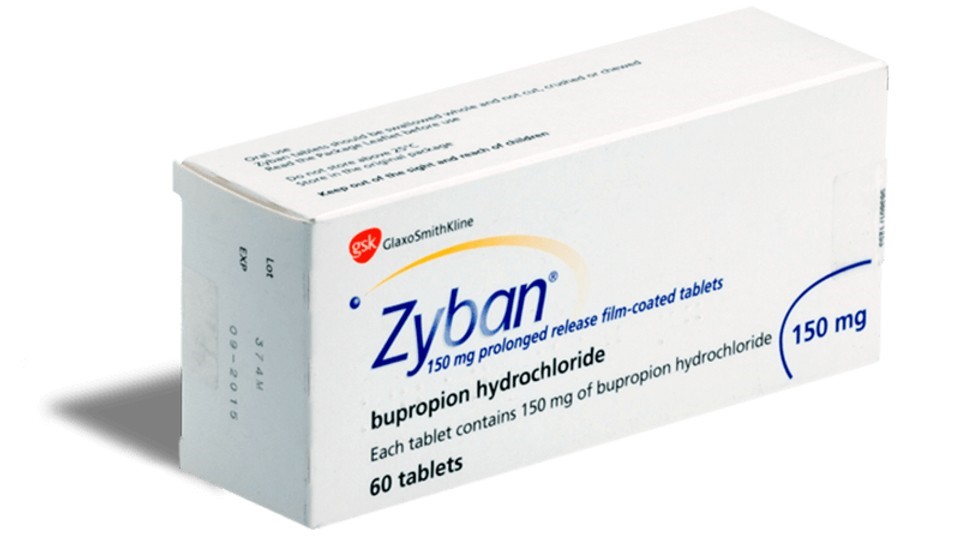
For individuals struggling with long-standing or disruptive symptoms, medication for severe anxiety can play a vital role. These include high-dosage SSRIs, certain tricyclic antidepressants, or dual-action drugs prescribed by mental health specialists. If general anxiety medication proves insufficient, escalation to medication for anxiety and panic attacks may be necessary under strict supervision.
Like all medicines, anti anxiety medication and antidepressants can cause side effects. Most are mild and improve over time as the body adjusts to treatment with anxiety depression medication.
Common side effects may include:
More serious side effects are rare, but may include mood changes, allergic reactions, or increased anxiety at the beginning of treatment. If any severe or persistent symptoms occur, you should contact a healthcare professional immediately.
Understanding potential side effects helps patients make informed decisions about their medication to treat anxiety and depression.
Episodes like panic attacks or intrusive health-related worries require swift and targeted relief. Fast-acting anxiety medication for panic attacks, such as benzodiazepines, may be used temporarily. For those preoccupied with illness or body sensations, medication for health anxiety helps reduce compulsive checking and stress-related symptoms — ideal when cognitive therapy alone is not enough.
Anxiety and depression medications, including daily anxiety medication, should never be stopped suddenly without medical advice. Abruptly discontinuing treatment can lead to withdrawal symptoms or a return of anxiety.
When it is time to stop medication, your doctor will usually recommend a gradual reduction in dosage. This process, known as tapering, helps the body adjust and reduces the risk of side effects from anxiety and stress medication.
Common symptoms when stopping medication too quickly may include:
Always consult a healthcare professional before making any changes to your treatment plan. Safe and supervised discontinuation ensures the best long-term results.