
Back To Top
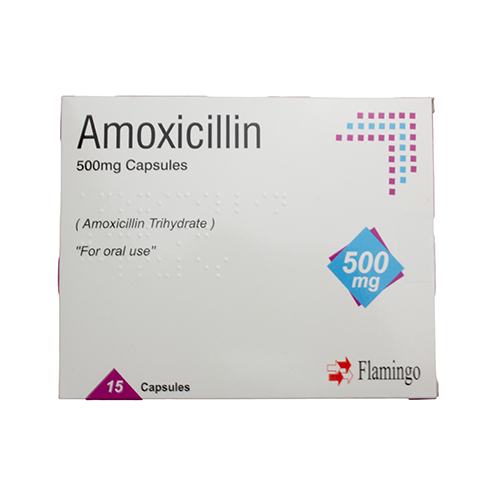
Amoxicillin 500mg Capsules are a broad-spectrum antibiotic used to treat various bacterial infections, including respiratory, ear, urinary tract, and skin infections. These capsules work by inhibiting bacterial growth and are easy to take as prescribed. Always complete the full course of treatment for optimal effectiveness.
Order within
to receive your order on Wednesday March 25, 2026
*Product images are for illustrative purposes only, and you may receive a different licensed alternative.
£29.99 – £34.99Price range: £29.99 through £34.99
Amoxicillin 500mg Capsules
Description:
Amoxicillin 500mg Capsules are a trusted and effective antibiotic used to treat a wide range of bacterial infections. Belonging to the penicillin class of antibiotics, Amoxicillin works by inhibiting the growth of bacteria, making it a reliable choice for tackling infections such as respiratory tract infections, ear infections, urinary tract infections, and skin infections.
Key Features:
How to Use:
Take Amoxicillin 500mg Capsules as prescribed by your healthcare professional. They can be taken with or without food, typically two or three times a day, depending on the condition being treated. Ensure you complete the full course of treatment, even if symptoms improve, to prevent the risk of antibiotic resistance.
Precautions:
Storage:
Store in a cool, dry place away from direct sunlight and out of reach of children.
Note:
Amoxicillin 500mg Capsules are a prescription-only medication. Always follow the advice of your healthcare professional for safe and effective use.
Amoxicillin 500mg capsules are commonly prescribed antibiotics in the United Kingdom (UK). It is a broad-spectrum penicillin-type antibiotic medication used to treat a variety of bacterial infections – first line of choice to treat upper respiratory tract infections (URTI).
Antibiotics are medications prescribed to eradicate or inhibit the growth of bacteria normally used to treat bacterial infections such as strep throat, urinary tract infections, pneumonia, skin or ear infections and so on. Antibiotics are not normally prescribed for viral or fungal infections such as the common cold or thrush as antibiotics do not work on these conditions and hence a different management plan is required.
Amoxicillin is commonly prescribed in both primary and secondary care settings in various forms such as oral capsules, liquid etc and is tailored according to the dose required for the infection and the patient.
Amoxicillin is part of the penicillin class of antibiotics, specifically a semi-synthetic penicillin (beta-lactam antibiotic). It works by binding to specific penicillin-binding proteins (PBP). PBPs work by cross-linking peptidoglycan strands – an integral component of the bacterial cell wall. By inhibiting peptidoglycan synthesis, it weakens the cell wall causing cell lysis. This breaks open the cell membranes of the bacterial cell wall, releasing all its contents outside the cell causing rapid cell death.
Therefore, amoxicillin is known to have a bactericidal effect (bacteria-killing) compared to other antibiotics which normally are bacteriostatic (inhibit the growth of bacteria).
Amoxicillin 500mg capsules are available in several strengths such as Amoxicillin 250mg and 500mg capsules and also Amoxicillin 875mg/1000mg but in a tablet format. Amoxicillin 500mg is the routinely prescribed adult dose to treat broad spectrum bacterial infections. It is effective against both gram-positive and gram-negative bacterial infections.
However, it is not effective against bacteria which produce B-lactamase as this enzyme can destroy the antibiotic. It also cannot treat a certain bacterial strain known as: Pseudomonas aeruginosa as this strain is naturally resistant to Amoxicillin.
Amoxicillin’s spectrum of activity covers several bacterial species such as Streptococcus, Listeria monocytogenes and Enterococcus spp. It also shows effectiveness against Haemophilus influenzae, specific Escherichia coli strains, Actinomyces spp., Clostridium species, Salmonella spp., Shigella spp., and Corynebacteria spp.
The following table lists the common indications Amoxicillin is prescribed for as an antibiotic treatment in adults and in children:
Condition |
• Acute bacterial sinusitis – bacterial infection of the sinuses causing pain and inflammation • Acute streptococcal tonsillitis and pharyngitis – Streptococcus infection of the throat and tonsils • Acute exacerbations of chronic bronchitis (AECB)/acute exacerbation of chronic obstructive pulmonary disease (AECOPD) – bacterial infection worsening chronic lung disease • Community acquired pneumonia – bacterial infection in the lungs which occurs outside the hospital • Acute otitis media – bacterial infection of the middle ear • Acute cystitis – bacterial infection of the bladder leading to inflammation and urinary symptoms • Acute pyelonephritis – bacterial infection of the kidneys • Asymptomatic bacteriuria in pregnancy – bacteria found in urine during pregnancy with lack of typical symptoms • Typhoid and paratyphoid fevers – systemic infection in the body due to Salmonella • Dental abscess with spreading cellulitis – a bacterial tooth infection spreading to the surrounding tissues in the body • Prosthetic joint infections – bacterial infection of an artificial joint • Helicobacter pylori eradication – treatment to remove bacteria within the stomach lining • Lyme disease – tick bites infesting the host leading to bacterial infections • Foot infections – bacterial infection of the foot/feet common in patients with diabetic neuropathy. |
Dental professionals such as dentists often prescribe Amoxicillin 500mg for tooth infections which may have spread throughout the body such as a periapical abscess. The patient may show signs of swelling or having a temperature therefore antibiotics would need to be prescribed.
Amoxicillin will destroy the bacterial cell wall by inhibiting cell wall synthesis hence resolving the symptoms. However, any exposure to antibiotics should be minimised as much as possible and only prescribed if clinically indicated to reduce the emergence of antibiotic resistance.
For a dental abscess, a course of Amoxicillin is prescribed daily for 5 days as follows:
Patients should be reviewed after 3 days to assess if further courses are required.
Amoxicillin is a part of the penicillin class of antibiotics, specifically a semi-synthetic penicillin (beta-lactam antibiotic). It is part of the broad-spectrum class of antibiotics therefore works on both gram-positive and gram-negative bacterial strains.
It works by disrupting the cell wall synthesis through its beta-lactam structure. It targets specific enzymes known as penicillin-binding proteins (PBPs) found in the cell membrane of bacterial cells which promote the cross-linking of peptidoglycan. This is an integral component of the bacterial cell wall.
Through the inhibition of these enzymes, the bacterial cell walls lose structure and stability and weaken, hence cell lysis occurs through osmotic instability and bactericidal activity. This leads to eventual cell death.
Amoxicillin is especially beneficial because it selectively targets peptidoglycan found in bacterial cells. It is able to disregard normal cells that do not have a cell wall therefore normal cells are not targeted therefore treatment is selective and efficient.
Therefore, the main mechanism of resistance to amoxicillin are due to:
The dose of Amoxicillin required to treat is dependent on several factors as described below:
Amoxicillin is taken orally and delivery occurs fairly quickly where it gets absorbed in the small intestines reaching peak plasma levels within 1-2 hours of taking the medication. It remains largely unchanged as it travels through the body and is excreted in the urine therefore being useful in treating urinary tract infections as well.
Treatment with amoxicillin differs for adults and children and is described below:
Adults:
Mild to moderate infections:
Serious infections such as complicated pneumonia or sepsis:
The duration of the antibiotic is dependent on the severity of the disease however, Amoxicillin is most commonly prescribed for 5-7 days for adults and children.
Children:
Amoxicillin liquid (oral suspension) is commonly prescribed for bacterial infections in children aged 1 month to 18 years of age. Doses for children are determined based on the weight of the child/infant (mg/kg/day) and are available in standard concentrations of 125mg/ml and 250mg/5ml.
Pharmacists and prescribing doctors are trained to refer to specific guidelines such as the Leeds formulary to accurately assess the correct dose for the paediatric patient.
The example table below describes the guidelines for a child taking the antibiotic by mouth for oral infections/sinusitis/salmonellosis:
Age group | Dose | Max dose |
Neonate (7 days to 28 days) | 30mg/kg 3 times a day | 125mg/dose |
Child 1-11 months | 125mg 3 times a day | 30mg/kg 3 times a day |
Child 1-4 years | 250mg 3 times a day | 30mg/kg 3 times a day |
Child 5-11 years | 500mg 3 times a day | 30mg/kg 3 times a day (max 1g/dose) |
Child 12-17 years | 500mg 3 times a day | 1g 3 times a day but only in severe cases |
Please be aware that the above table is only a guideline for specific bacterial infections stated above.
The dosage and strength is different for a child or an adult and depends on the type and severity of the condition therefore a prescription for an adult or a child may look different to the table above.
Precaution for patients with renal impairment:
Patients with reduced kidney function or undergoing dialysis are monitored whilst on Amoxicillin and are normally given a reduced dose or are prescribed antibiotics for a longer duration as amoxicillin is largely excreted in the urine.
Directions on how to take the Amoxicillin 500mg capsules:
As with all medications, Amoxicillin also cause cause several side effects therefore it is advised to be aware of these side effects before starting treatment and are listed in the table below:
Common side-effects | Uncommon side effects | Severe or rare side effects |
|
|
|
In the case of severe reactions such as an anaphylactic shock, breathing difficulties, chest pain, severe diarrhoea or a breakout of a severe rash, stop the treatment immediately and call emergency services as soon as possible.
Read the following subsections carefully and if any of the following apply to you then ensure to check with your health provider before starting treatment.
Allergy and Hypersensitivity:
Do not take Amoxicillin 500 mg capsules if you are known to have a previous allergy to any penicillin/beta-lactam type antibiotics. Severe allergic reactions can lead to anaphylaxis which can be fatal.
Pregnancy and Breastfeeding:
Amoxicillin is considered to be safe in use during pregnancy and breastfeeding. However, the correct dose and strength should be discussed with your doctor and instructions should be followed correctly.
If you develop any side-effects listed above then please stop the treatment immediately and refer to a doctor or emergency services.
Convulsions:
Amoxicillin may cause convulsions in patients with renal impairment or those with a long-standing history of neurological conditions such as epilepsy, seizures etc. It is advised to proceed with caution and notify your doctor immediately if you notice anything abnormal.
Antibiotic resistance:
As with all antibiotics, long-term use or unfinished courses of Amoxicillin may lead to antibiotic resistance. Doctors are advised strongly to only prescribe antibiotics if clinically indicated and to educate the patient thoroughly about finishing the course. This is to reduce the likelihood of developing resistance to the medication in the future.
If you have any of the conditions below, monitoring with Amoxicillin is required:
Ensure to inform your doctor if you are taking the following medications before starting treatment on Amoxicillin:
NHS prescriptions are currently free of charge in Scotland, Wales and Northern Ireland. In the UK, you cannot purchase Amoxicillin 500mg capsules over-the-counter as it is a prescription only medication (POM). You can order it online using an NHS prescription which is charged using the standard prescription charge rate of £9.90 per item. However, if any of the NHS exemptions apply to you then you do not have to pay the NHS charge.
If however, you are not exempt from paying the NHS charge, you can purchase a Prescription Prepayment Certificate (PPC) which allows you to purchase a 3 month (£32.05) or a 12 month (£114.50) certificate at a set price which works out cheaper if you need to purchase prescription-only medications often.
You can also buy Amoxicillin 500mg online using a private prescription although the prices are determined by each individual pharmacy and do not follow the normal NHS charge guidelines. Please be aware that Amoxicillin 500mg price differs in each pharmacy if obtained via a private prescription.
No, you cannot buy Amoxicillin 500mg capsules over the counter as it is a prescription only medication (POM) therefore requires a prescription written by a doctor or an independent prescriber.
You should be able to see symptoms resolve within 24-48 hours however, if symptoms get worse and you develop other side effects, stop the medication immediately and contact emergency services.
Yes, it is safe as long as it is ordered from a reputed UK registered pharmacy.
You can take the missed dose as soon as you remember but not if it is nearly time for your next dose; do not take a double dose to make up for a missed dose.
Alcohol can be consumed whilst on Amoxicillin although it is generally recommended to abstain from alcohol for the duration of treatment.
Take it as prescribed by your healthcare provider.
| Cookie | Duration | Description |
|---|---|---|
| cookielawinfo-checkbox-analytics | 11 months | This cookie is set by GDPR Cookie Consent plugin. The cookie is used to store the user consent for the cookies in the category "Analytics". |
| cookielawinfo-checkbox-functional | 11 months | The cookie is set by GDPR cookie consent to record the user consent for the cookies in the category "Functional". |
| cookielawinfo-checkbox-necessary | 11 months | This cookie is set by GDPR Cookie Consent plugin. The cookies is used to store the user consent for the cookies in the category "Necessary". |
| cookielawinfo-checkbox-others | 11 months | This cookie is set by GDPR Cookie Consent plugin. The cookie is used to store the user consent for the cookies in the category "Other. |
| cookielawinfo-checkbox-performance | 11 months | This cookie is set by GDPR Cookie Consent plugin. The cookie is used to store the user consent for the cookies in the category "Performance". |
| viewed_cookie_policy | 11 months | The cookie is set by the GDPR Cookie Consent plugin and is used to store whether or not user has consented to the use of cookies. It does not store any personal data. |