

You have probably heard of asthma. It is a fairly common long-term condition that is usually picked up in childhood. Asthma is characterised primarily by symptoms such as wheeze, breathlessness, and chest tightness. These symptoms are caused by the state of inflammation and sensitivity of the airways. Despite how common it is, asthma still carries a high risk of escalating to a medical emergency. Being aware of the warning signs can help you or your close ones identify when to seek urgent medical attention.
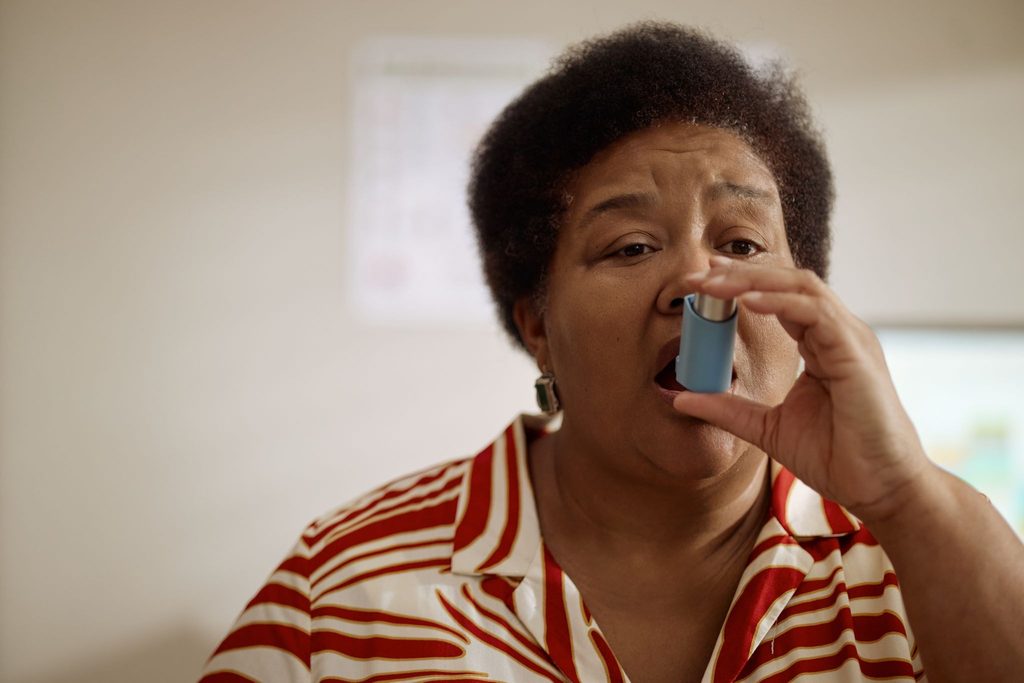
Asthma is a chronic lung condition where the primary problem lies in the hypersensitivity and inflammation of the airways. As a result of these changes, some common asthma symptoms include:
Before asthma is diagnosed or before a flare up occurs, there are often some respiratory warning signs. Being able to identify these symptoms can help you to seek help early and reduce the risk of more severe events. Some examples of early signs of asthma include:
For some adults, their asthma may already be well controlled and cause them little to no problems; for others, symptoms of asthma can remain problematic. In fact, not everyone gets diagnosed with asthma as a child. Sometimes asthma symptoms in adults are what leads them to get diagnosed for the first time. These symptoms often follow patterns and become more noticeable in certain situations, for example:
For more information on Asthma and COPD Medications, follow the link and read more.
While there are currently several asthma treatments available, asthma remains a condition with a high risk of rapid decline in a severe asthma attack. Some warning signs that your asthma is no longer being controlled by your inhalers are:
These asthma warning signs may not seem significant but they may signal an increased risk of a serious asthma attack. It is advised that you consult your GP if there is a change in your asthma symptom control so they can review your condition.
There are several factors that can affect your asthma symptoms. For example, at different times of the year or with other changes in circumstances, you may get more exposure to asthma triggers e.g pollen or cold air than usual. It is important to stay on top of your asthma management and monitor any signs that symptoms are worsening. Early identification and treatment of this is very important to prevent a severe asthma attack. Examples of worsening asthma symptoms include:
When respiratory function becomes compromised, asthma symptoms become severe. If you experience any of the severe asthma symptoms below, do not delay in seeking urgent medical attention.
So if someone has symptoms of asthma generally, why does it turn into an asthma attack? The nature of the condition means that the lungs of someone with asthma will already be more vulnerable and sensitive. An asthma attack is when something (e.g allergen, infection) triggers the muscles of the airways to spasm. Symptoms of an asthma attack include:
Being aware of the risk of deterioration in asthma can help you feel empowered on when to seek medical attention. As discussed, asthma requires tight control as it can become dangerous very quickly. This table splits the condition into three levels of symptoms: common/ mild. worsening, and severe.
| Asthma symptom severity | What could this look like? | What should I do? |
| Common/ milder symptoms | mild wheezefeeling out of breatha dry coughchest tightness | Take your treatment/inhalers exactly as prescribed and avoid triggers. Consult your healthcare provider for a review if symptoms persist. |
| Worsening symptoms | symptoms that wake you up at night e.g coughing, breathlessnessworsening symptoms e.g shortness of breath that does not settle as easilydecreased peak flow readings | Book a same-day appointment at your GP practice to assess the situation. Adjustments can be made to your treatment or they may send you to be reassessed in hospital |
| Severe symptoms | being so out of breath that you cannot complete sentencessymptoms that worsen despite using a reliever inhalerconfusioncollapsebeing unable to breathe | This is a medical emergency. Call 999 or go to the emergency department of your nearest hospital. |

A key aspect of asthma is the hypersensitivity of the airways. This means that the lungs can be easily affected by an external agent or internal event. Some factors that can trigger asthma include:
So what can I do to help keep an eye on the control of my asthma? Some practical advice on how to monitor your asthma at home include:
Early medical assessment or intervention is important to prevent a severe asthma attack. It is crucial that you consult a medical professional about your symptoms if: