

Beta blockers refer to the group or class of medicines that decrease the effects of adrenaline on the body. You may have heard of beta blockers in the context of treatment for situational anxiety such as performance anxiety (e.g in the case of public speaking or stage fright). Actually beta blockers are not licensed for anxiety, they are typically prescribed for other purposes such as heart problems. However, you can use beta blockers such as propranolol off license (i.e not for its usual purpose) to help manage symptoms of acute anxiety (e.g racing heartbeat, shaking). In this article, we go through some commonly asked questions about using beta blockers for situational anxiety so read on if you feel this may apply to you.
Have you ever had to do a presentation in front of a large crowd for work? Or maybe you can remember being terrified to do the primary 6 school performance? Many people talk about feeling nervous before public speaking or performances but for some people, this experience can make you feel not just nervous but almost physically sick.
Performance anxiety is the intense stress experienced before or during performance-type activities (e.g public-speaking, interviews, musicals, presentations etc.). In these situations, the stress can trigger a fight-or-flight response which leads to the release of hormones such as adrenaline. It is these hormones that make your heart feel like it’s pounding out of your chest, make you feel like you cannot breathe properly, and all your muscles feel tensed up.
Then, the physical symptoms can make the anxious thoughts worse even if the person might be mentally prepared for the situation. This can form a vicious cycle that is hard to stop: a public speaking event, then anxious thoughts, then physical symptoms (e.g heart racing), then even worse thoughts, and repeat. If this has happened to you, then you might benefit from taking propranolol before a presentation.
When you are stressed, the body releases certain hormones. The goal of these hormones is to protect you and help you be prepared to deal with the stressful event. Thus, these hormones make your heart beat faster and stronger. In theory this can help you be more alert and ready to deal with the stress but in reality it may be making you incredibly anxious.
This is where beta blockers like propranolol for performance anxiety come in. As the name suggests, beta blockers work by blocking certain receptors. This stops the stress hormones (like adrenaline and noradrenaline) released by the body from binding to their receptors and taking effect. Think of the whole thing like a plug and a socket. If something cannot be plugged in, it cannot be turned on. Basically, by doing this, the effects of the stress hormones are reduced and in turn, heart rate slows down, blood pressure decreases, and you should feel more relaxed. The key part in all of this is that the anxiety is situation-specific (e.g public speaking) which is different to anxiety that affects all aspects of life. Thus the beta blocker would be taken before the stressful event to target symptoms linked to acute stress.
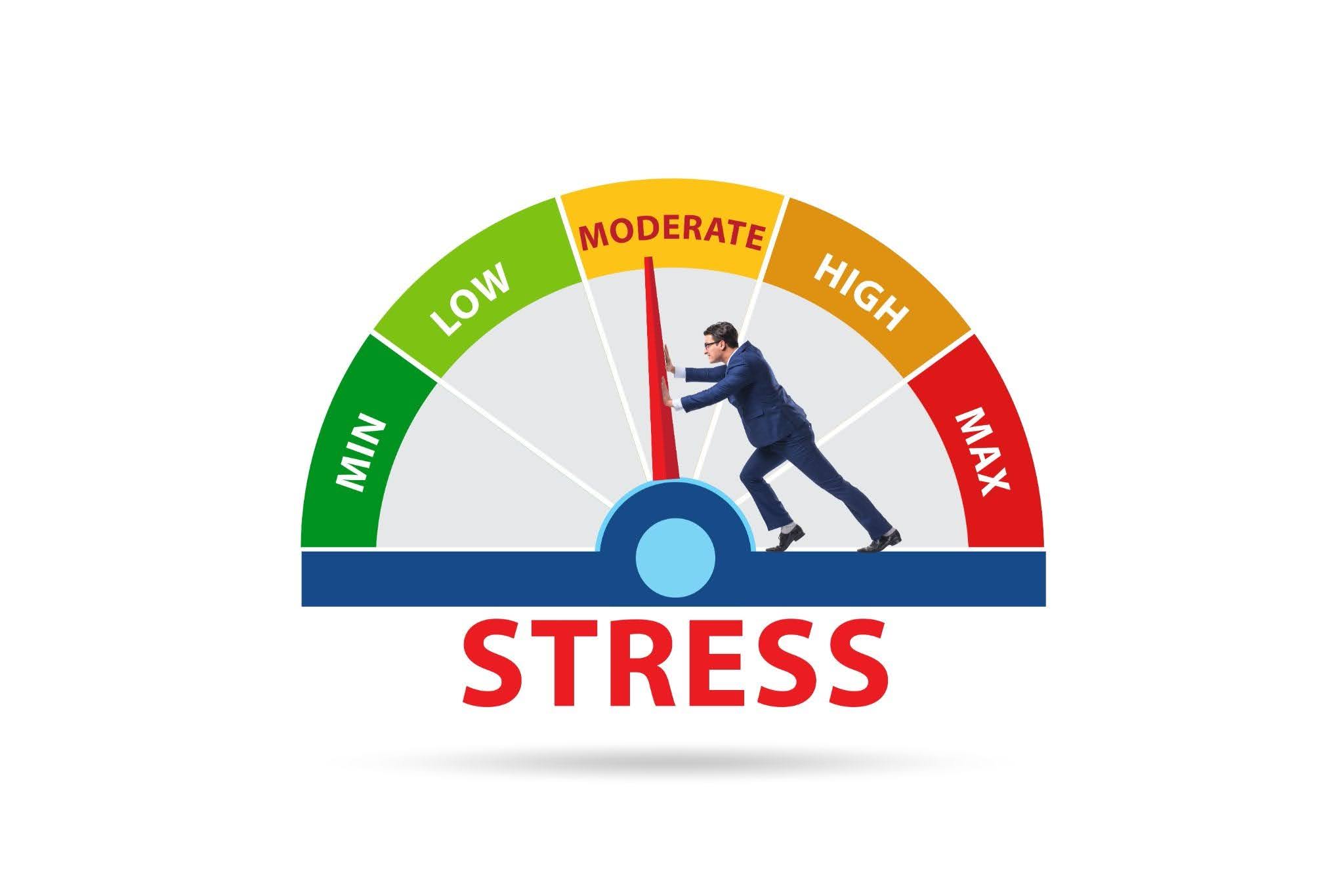
Stress or performance anxiety can be experienced differently by everyone. Common physical symptoms that beta blockers can help reduce include:
Even if the anxious thoughts are still racing through your head, by reducing some of the physical symptoms using propranolol, it can help you calm down or at least stop the anxiety from worsening.
Unlike generalised anxiety disorders, performance anxiety is confined to specific situations. Propranolol is effective for reducing the physical symptoms of performance anxiety where they can be easily predicted due to the situation-specific nature. For example, you might use beta blockers for stage fright. The key point to highlight is that propranolol might not be suitable as long-term treatment for a generalised anxiety disorder, it is best suited to manage short-term, predictable anxiety.
As mentioned, propranolol is particularly effective at managing the physical symptoms of short-term, predictable, high-anxiety situations. The commonly used example is taking propranolol for public speaking anxiety, however there are actually a range of acute stress scenarios where propranolol might be useful such as:
There are numerous benefits to using beta blockers (such as propranolol) to help manage performance anxiety. However, there are still some potential limitations to be aware of. For example:
| Using beta blockers (e.g propranolol) for as performance anxiety medication | |
| Benefits | Limitations |
| Taking propranolol can help to quickly reduce the physical symptoms (e.g racing heartbeat, shaking, sweating) triggered by the anxiety of the stressful eventPropranolol is useful for acute stress specifically when the event is short-term and predictableTaking propranolol to reduce physical symptoms of acute stress can help people feel more in control during the performance/event | A key downside is that only the physical symptoms of performance anxiety are treated by propranolol, any underlying psychological causes of anxiety are not addressed so therapy may still be neededBeta blockers may not be safe for everyone to take, especially if they have a pre-existing medical condition (e.g from very common problems like asthma to slightly rarer heart problems) or take certain medicationsPropranolol is not suitable for longer-term treatment of generalised anxiety disordersMedical guidance is always needed for the use of beta blockers to manage performance anxiety, |
As with any medication, there are some potential side effects you may experience if you are taking propranolol for performance anxiety, for instance:
These side effects are often mild and temporary. If any of these side effects persist or get worse, you should consult your healthcare provider. If you experience any severe symptoms (e.g feeling like you cannot breathe, feeling like your throat/mouth is swelling) you should seek emergency medical attention. It is crucial to note that if you have asthma, heart problems, or diabetes, it may not be safe for you to take propranolol.

While using propranolol for performance anxiety is usually very safe and effective, certain people should not use it. If you have any pre-existing medical conditions, you should consult a doctor and inform them of any past medical history before you start on propranolol (or any beta-blocker). This is because in some cases, propranolol can make your condition worse and it could potentially be very dangerous. Some conditions where beta-blockers might not be suitable or safe include:
Anyone using beta blockers for public speaking or performance anxiety should do this under medical guidance, especially if they have any underlying health condition or take any other general/Women’s/Men’s Health Medicine.
There are of course several alternatives to medication for managing performance anxiety. You may have tried some of these already. Some options include:
These non-medical approaches to tackling performance anxiety can be used alone or alongside beta blockers (e.g propranolol).
So do beta blockers help with anxiety? Overall, while beta blockers (like propranolol) cannot treat long-term anxiety or generalised anxiety disorders, this medication can help to reduce the physical symptoms of anxiety. Propranolol is most effective for relieving physical symptoms of anxiety (e.g shaking, racing heartbeat, sweating) in situations of short-term, predictable stress (e.g public speaking, dance performance).
Here at Meds for Less, the long-term health and safety of our clients are very important to us. Medication is not always the answer for everyone. It is always advised that you try non-medical approaches to relieving performance anxiety first, propranolol can be considered if those do not work. Although the medication is generally safe and effective, certain pre-existing health conditions (including very common ones like asthma) may mean it is unsafe to take, always consult a doctor before you start beta blockers for situational anxiety.