
There are some differences between branded and generic medicines in the UK, but it is not what most people think. This article has been written to help clarify the differences between the two forms of medicine available and what it means for the customer.
Branded medicines and generic medicines contain the same active ingredients, and they are used to treat the same medical conditions. The main differences relate to their names, inactive ingredients (Flavourings and colourings) as well as costs.
Branded medicines are often developed by a specific company after extensive research and clinical safety trials. They are sold under that company’s brand with a specific look, taste and marketing style. Once the patent for that drug or other exclusive protections expire, other companies can begin producing the same drug, just with different flavourings or colours.
For any drug to be released onto the market, it must meet the Medicines and Healthcare Regulatory Agency (MHRA) standards for safety and effectiveness in the UK. This means that branded and generic medicines have the same effectiveness and safety profile for the medical condition they are meant to treat.
The inactive ingredients (flavourings or colourings) between the two medicines may be different, which can be significant for people with allergies or intolerances to those ingredients. Hence, it is always important to check the full list of ingredients between branded and generic medications despite the active drug being the same.
At Meds For Less, you can explore our full catalogue of Branded and Generic medicines on our website; this includes Men’s health Medicine, Female health products and general health medicines.
—————————————————————
Branded and generic medicines may contain the same active ingredient and are used to treat the same conditions, but they differ in their names, appearance, inactive (supporting ingredients, and price.
For example, Nurofen is a branded version of Ibuprofen. Generic Ibuprofen can be sold as just that without the brand. While both tend to have the same dose availability and the same therapeutic effect at those doses, the generic medicine tends to be cheaper.
Generic medicines contain the same active ingredients as branded medicines but they contain different inactive ingredients such as colourings or flavours. This matters to people with certain allergies or intolerances. Furthermore, sometimes medicines sold in bottles like Gaviscon (Active ingredient: sodium alginate) may have packaging differences. Generic sodium alginate bottles tend to break more easily, whereas the Gaviscon bottles tend to be a bit more reinforced.
In the UK, it may be okay for a pharmacist to dispense a different brand or a generic form of a branded medicine where appropriate. Please let your pharmacist know if you need a specific brand for purpose of allergies or intolerances to the inactive ingredients.
Branded and generic medicines can provide the same clinical benefit when they contain the same active ingredients, strengths and dose formulations. However, several practical differences between them inform usage. The table below explains the key differences between branded and generic medicines:
| Feature | Branded medication | Generic medication |
| Name | Sold under a specific brand name related to a specific manufacturer | Usually sold on the basis of the medicine’s generic name |
| Active ingredient | Contains the active drug responsible for the medicine’s effect | Contains the same active ingredient as the branded medication |
| Effectiveness | Effective when used as directed for a particular condition | Same effectiveness as the branded medication when used at the required doses |
| Appearance | Often with distinctive packaging, colours and logo shapes available | Looks different to the branded version |
| Inactive ingredients | May contain specific colours, preservatives, fillers and other excipients | May use different inactive ingredients, please check with your pharmacist as this may contain certain allergens or medications which cause intolerances |
| Price | Often more expensive than the branded version, particularly when a brand’s specific patent applies | Usually less expensive than the branded versions |
Approved generic medicines (Figure 1) are generally considered as safe and effective as branded equivalents when the same doses and active ingredients are used. In the UK, generic medicines have to meet strict regulatory requirements set by the Medicines and Healthcare Regulatory Agency (MHRA) before they are authorised for use.
A generic medicine does not normally need to undergo full regulatory assessment as a branded medication/ any medication would if being developed from scratch. Instead, manufacturers must demonstrate that generic medicines are equivalent to branded medication and exhibit good generic medicine safety.
There can be differences in the inactive ingredients such as colouring, preservatives and flavourings between branded and generic medicines. In these cases, there may be concerns about lack of safety, especially if someone is allergic to an inactive ingredient founded in either a branded or generic medicine that is not there in the other.
Some medications like inhalers, insulin or certain anti-epileptics have to be prescribed by brand because the small differences between formulations is clinically important.
Overall, there should be no difference to generic and branded medicine in terms of safety and effectiveness for a normal individual.
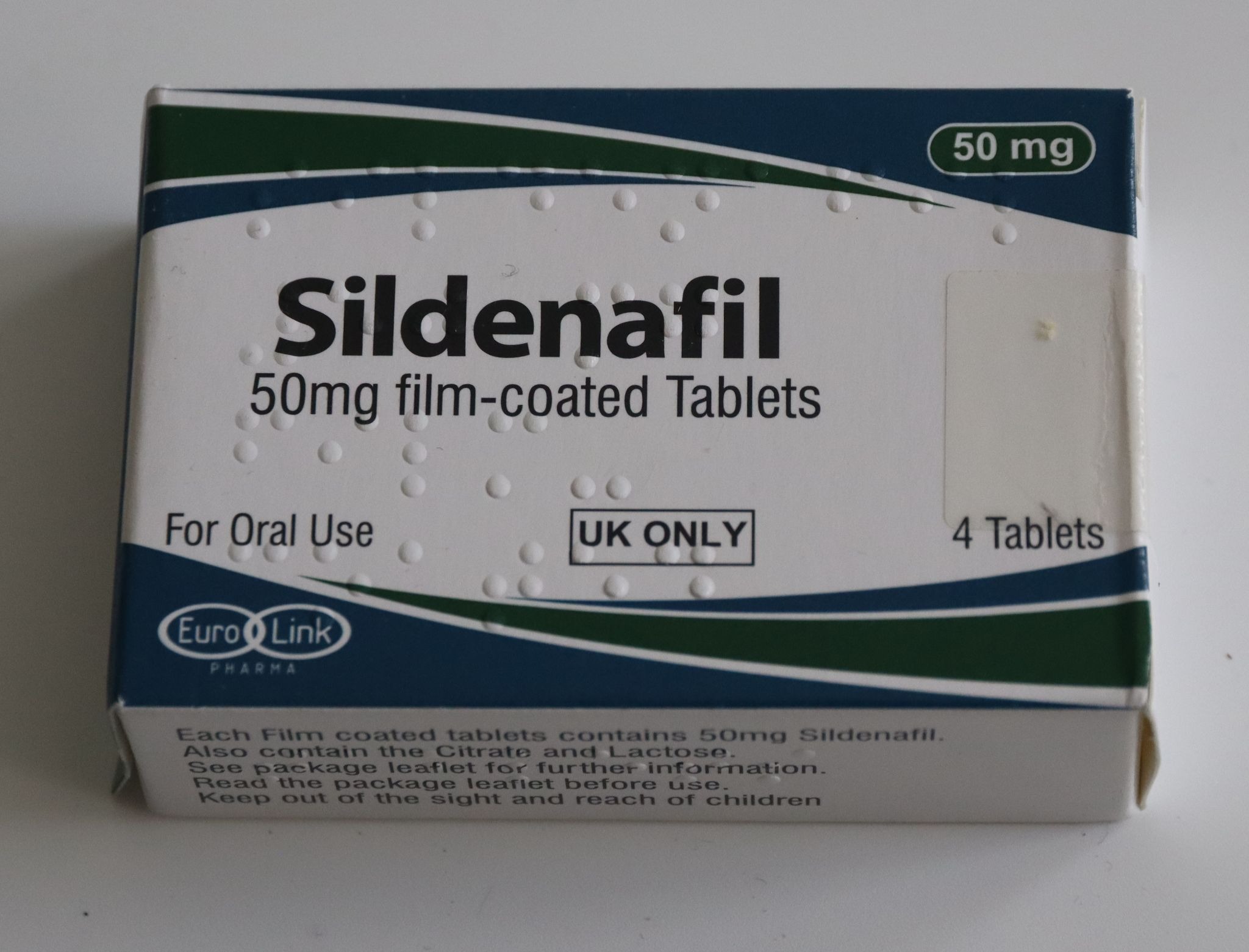
Figure 1: Approved generic medicines UK like sildenafil, can be sold as equivalents to the branded alternatives (Viagra).
Generic medications tend to be cheaper than branded medications because manufacturers generally do not have to repeat all the research and development required to bring the original branded medicine to the market.
By the time the patent for a medicine expires and it is available to be reproduced generically, it has already undergone extensive clinical review and regulatory assessment. This allows generic manufacturers to produce equivalent medicines at much cheaper costs while meeting regulatory standards.
Not having to prescribe to one brand’s advertising, branding and marketing campaigns can also lower costs for a company producing a generic medicine.
Once the patent expires, many manufacturers can produce the same medicine and this competition can also reduce costs for generic medicines.
The NHS generally prefers the prescribing of medicines by their generic names because it reduces costs, allows maintenance of treatment standards and also allows for the continuous supply of medicine to the patient if one brand is not available.
The following are some of the reasons why there may be NHS generic prescribing over NHS brand prescribing:
The NHS does use brand-based prescribing in certain cases, such as specific anti-epileptics, insulins, and combination inhalers. This is because the evidence shows that it is easier for users to continue with these medicines when they are prescribed based on brands.
Branded generic medicines are medicines that contain an established ingredient but are marketed under a specific brand rather than simply using the generic name of the ingredient. They are often introduced after the original brand’s patent for market exclusivity have expired.
Like generic medicines, branded generics must meet the applicable regulatory requirements for quality, safety and effectiveness.
An example of this is ibuprofen, which is available as a generic medicine based on the active drug or under the name of the Brand (Nurofen).
Characteristics of branded generic medicines include:
In the UK, many commonly used medicines are available both as brands and as generic medicines; the generic medicine often refers to the name of active ingredient, whereas the brand name refers to the name given by the manufacturer. The following table provides a list of common UK medications, their popular brands and generic equivalents.
| Brand name | Generic medicine examples | Common use |
| Nurofen | Ibuprofen | Pain, Inflammation and Fever |
| Panadol | Paracetamol | Pain and Fever |
| Zytrec | Cetrizine | Allergy symptoms |
| Losec | Omeprazole | Acid reflux and Heartburn |
| Zocor | Simvastatin | High cholesterol |
| Difflam | Benzydamine | Mouth and throat pain for inflammation |
| Ventolin | Salbutamol | Relief of asthma symptoms |
| Glucophage | Metformin | Type 2 diabetes |
When choosing a brand, check the product name, active ingredient and dose before picking a medication. Do not rely on the brand alone. A pharmacist or doctor can advise whether it is advisable to switch between brands and what a suitable generic alternative may be.
Choosing between a branded medicine or a generic medicine (Figure 2) depends on the medicine you need, the individual formulations available, individual circumstances and the advice of a healthcare professional.
For most commonly prescribed medicines, you can use generic alternatives for a lower cost.
When choosing generic vs brand name drugs, you may wish to consider the following factors:
Figure 2: Branded vs Generic Drugs have the same biological efficacy in the UK, the only difference is the inactive ingredients.