
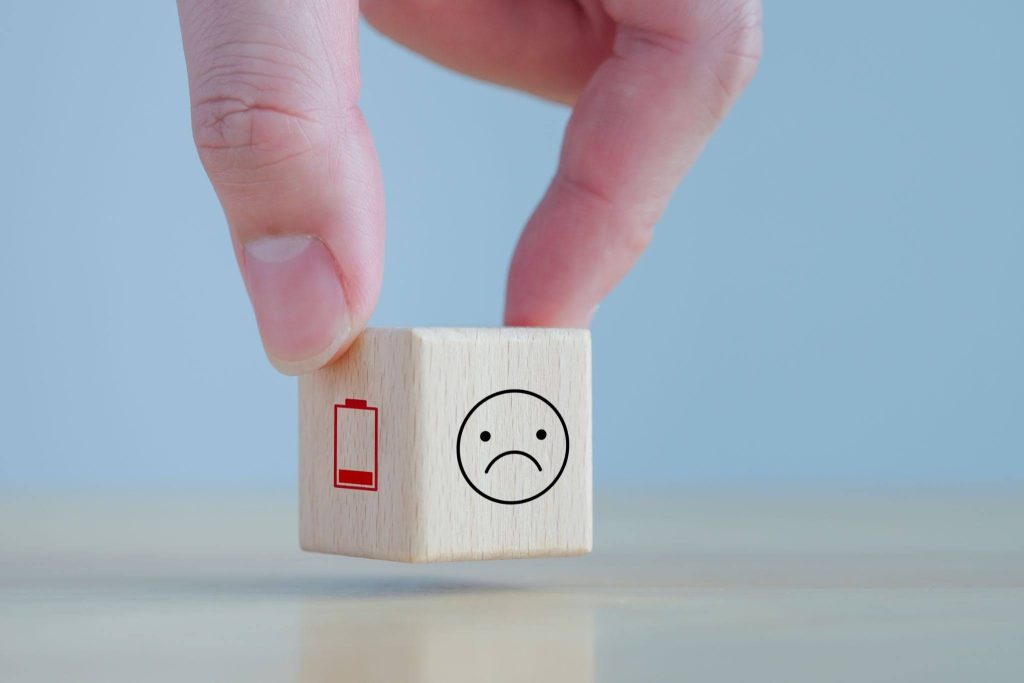
Hormonal Replacement Therapy (HRT) can help with anxiety and low mood when these symptoms are linked to hormone changes during menopause or perimenopause.
Fluctuations in hormones such as oestrogen and progesterone (As they happen during menopause) can affect brain chemicals like Serotonin and GABA. This leads to altered mood and stress responses. By stabilisng hormone levels, HRT may reduce anxiety, mood swings or irritability and sleep disturbances. Improvements usually occur over a period of weeks to months of sustained HRT usage.
HRT is helpful if the mental health symptoms are caused by menopause, it is not a universal treatment for depression and anxiety unrelated to menopause. Some individuals may benefit from combining HRT with psychological therapy, lifestyle changes or antidepressant medication. Always check with your healthcare professional before starting treatment relating to HRT and low mood or anxiety.
Overall you can now buy Menopause Meds from Meds For Less easily, confidentiality and reliably for delivery to your home address within 24 hours.
Menopause is a physical, emotional and psychological transition that women experience as progesterone and oestrogen levels in the body change. Many women experience shifts in mood, stress tolerance and emotional balance, and these changes can affect daily life, well-being, and emotional relationships.
Oestrogen plays an important role in regulating mood and anxiety through important neurotransmitters like dopamine, serotonin or norepinephrine. As oestrogen levels decline during perimenopause and menopause, these neurotransmitters also become less stable.
These changes lead to:
The sleep disruption from hot flushes and night sweats can worsen mood symptoms.
Common emotional issues that women experience during menopause include:
Hormones play a powerful role in regulating mood, stress and emotional well-being. When hormone cycles fluctuate as they do during menopause, this can influence how the brain processes emotions. These hormonal shifts can lead to depression, anxiety or low mood.
Several hormones interact directly with brain chemicals to regulate mood.
Oestrogen helps neurotransmitters such as dopamine, norepinephrine and serotonin in the brain which are involved in mood stability, motivation and emotional regulation. Falling oestrogen levels increase the risk of anxiety and depressive symptoms.
Progesterone normally calms the brain through its effects on receptors known as GABA, this reduces nervous system activity and calms the body. Progesterone drops during menopause and causes symptoms like anxiety, irritability and low-mood.
Hormonal changes influences how the body reduces cortisol and elevated/ dysregulated cortisol levels during menopause can increase feelings of tenson, restlessness or emotional fatigue.
During perimenopause and menopause, declining and unstable oestrogen levels and altered sleep patterns contribute to anxiety, mood swings and depressive symptoms.
Hormone Replacement Therapy (HRT) is primarily used to relieve menopausal physical symptoms such as hot flushes, night sweats and vaginal dryness. Researchers have examined whether it can improve anxiety, low mood and depression linked to hormonal changes. The research base concludes that HRT can help some women with anxiety and depression, depending on factors such as timing, symptoms and individual factors.
During menopause, oestrogen levels decline, and this affects the neurotransmitters involved in emotional regulation. Oestrogen influences serotonin and GABA, which are important neurotransmitters involved in emotional regulation and mood.
Lower oestrogen levels can contribute to anxiety, irritability or depressive like symptoms. HRT can restore oestrogen levels and stabilise brain systems. Some research also suggests that supplementing oestrogen can normalise mood-related neurotransmitters and reduce anxiety and depression related symptoms.
Studies have shown that oestrogen therapy has some antidepressant effects in perimenopausal women and can help with symptoms such as mood swings, sleep problems and overall wellbeing after starting HRT. Other studies have also shown that starting HRT during perimenopause can reduce the risk of developing clinical depression. Overall clinical guidelines show that starting HRT can help with menopausal mood symptoms, especially when physical symptoms of menopause are also present.
Some studies have found that post-menopausal women (no menopausal symptoms) may not benefit that much from HRT to treat depressive or anxiety-related symptoms. Overall, HRT is most effective for mental health when those mental health effects are linked to the hormonal changes that occur during menopause.
HRT improves the mood and anxiety symptoms related to menopause, but the timing varies from individual to individual. While some women notice improvements fairly quickly, it takes a lot of time for improvements to appear in other women.
The initial changes in mood and anxiety with HRT can be seen within the first few weeks (2-4 weeks) of starting HRT. Early symptoms include;
In the first few weeks of using HRT, sleep improves, and mood improves as the body becomes more rested.
There are noticeable mood improvements in anxiety, low mood and mood swings typically occur after 1-3 months of consistent HRT usage. During this period:
Many clinical guidelines recommend giving HRT at least 3 months before judging its full impact on mood symptoms.
Full effects of mood improvements are noticed after 3-6 months of consistent HRT usage. During this long adjustment period, the body has nearly fully adapted to new hormone levels, there is gradual stabilisation of brain chemistry and the time needed to adjust the dose or type of HRT if necessary. Healthcare providers often review treatment after 3 months of consistent usage and may adjust the regimen if symptoms persist.
Hormone Replacement Therapy (HRT) may be considered for women who are experiencing anxiety, low mood or swings due to menopause, particularly when these changes occur alongside other menopausal changes (physical symptoms).
HRT is often considered for women who are in perimenopause or early menopause and who are experiencing both menopausal emotional and physical symptoms. Examples include:
If emotional symptoms start occurring around the time that menstrual cycle irregularities begin, then hormones may be contributing to the problem, and HRT can be very helpful.
If women notice that anxiety or depression fluctuates with hormonal shifts (Figure 1), HRT may help mood symptoms. Signs that hormonal changes and mood changes are linked include:
Women who experience premature (before the age of 40) or early menopause (before the age of 45) are often recommended to consider HRT unless there is a medical reason not to. This is because hormonal loss at a younger age can increase the risk of depression and anxiety disorders.
It may be advisable for some women to try lifestyle changes such as exercise, stress management and sleep improvements first to relieve mood symptoms. If symptoms persist, then HRT may be considered alongside psychological therapies and antidepressants.
Always check with your healthcare provider when considering questions such as “Can HRT help with depression and anxiety ?” and before starting HRT to help with psychological health.
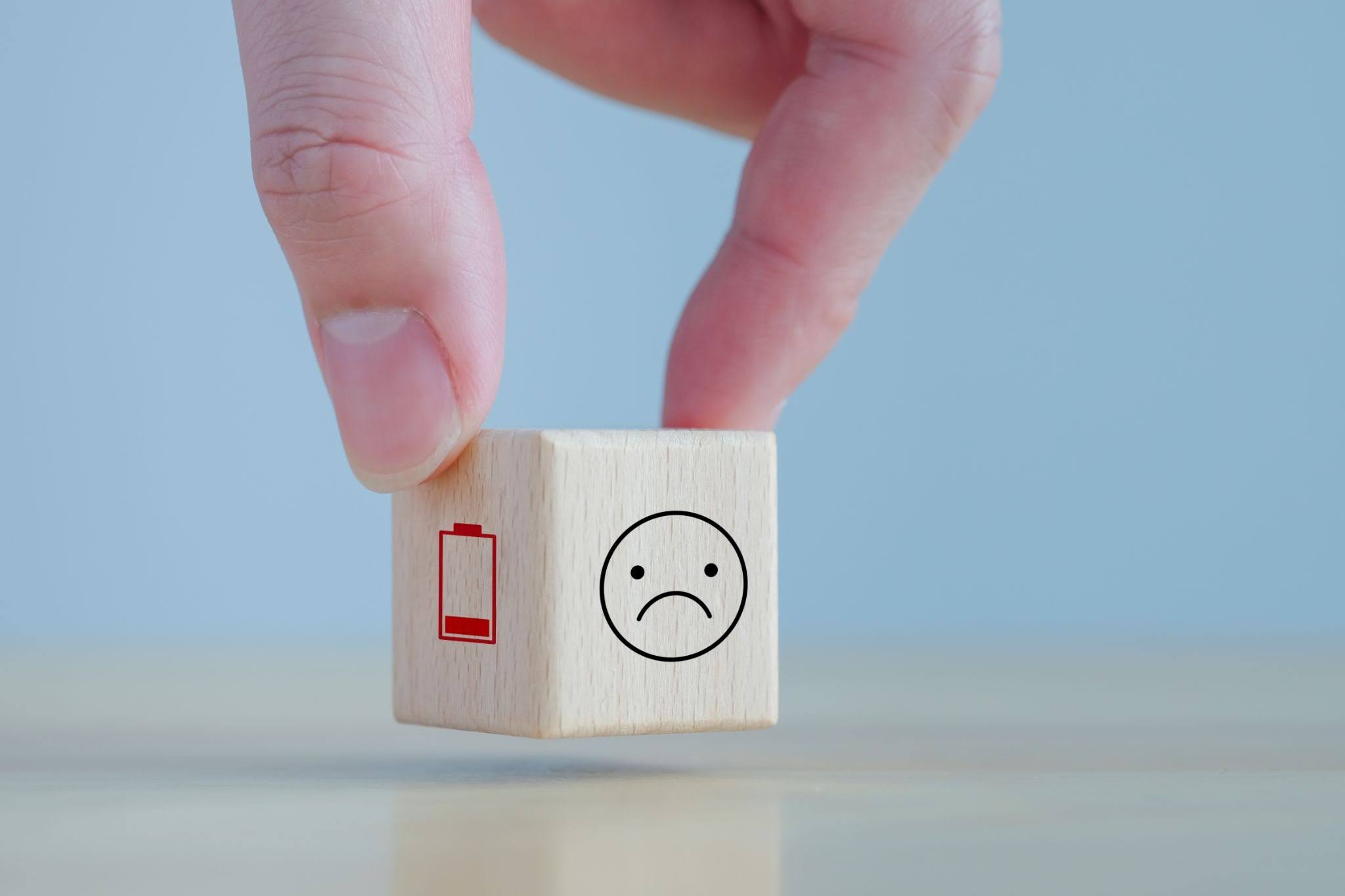
Figure 1: HRT and Low Mood are often linked when HRT is being used to treat feeling low due to menopause
Key takeaways on the issue of “Can hrt help with anxiety and depression” include the following:
Hormonal Replacement Therapy (HRT) is commonly used to treat the physical symptoms of menopause but it can also play an important role in supporting mental and emotional wellbeing for some women.
Fluctuations in the oestrogen and progesterone levels in the body during menopause and early menopause can affect brain chemicals that regulate mood such as GABA, serotonin or Dopamine. These changes can contribute to symptoms such as anxiety, irritability, mood swings or low mood.
For some women, HRT can stabilise hormonal levels and reduced mood-related symptoms (Figure 2) associated with hormonal changes. HRT can fix anxiety issues, mood swings, sleep disturbances that affect mood and overall sense of wellbeing, especially when these issues are related to hormonal issues.
HRT tends not to be as useful for mood related changes if these changes are not related to the mood imbalances in menopause, have existed before and are only worsened by menopause.
There are other treatments like antidepressants or pyschological therapies that can be prescribed alongside HRT during mood changes in menopause to provide a wholistic approach to solving mood related symptoms during menopause.
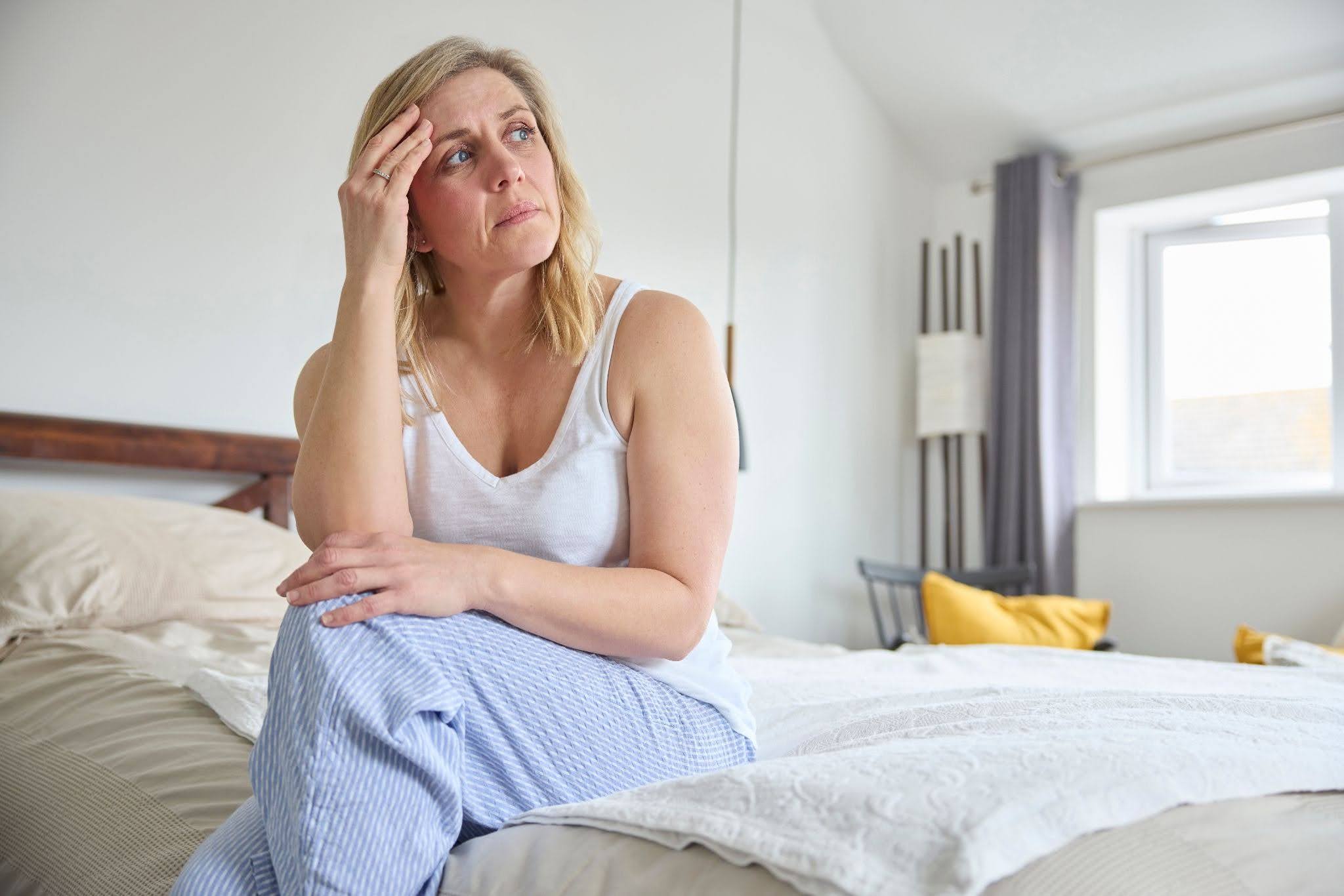
Figure 2: Is hrt good for anxiety caused by menopause