

On first glance, the inhaler looks like a fairly simple device. It might surprise you that many people are not using their inhalers correctly. In fact, incorrect inhaler technique remains one of the most common reasons for unsuccessful treatment with Asthma and COPD Medications. This is because someone might not be getting the right amount of medication when using their inhaler the wrong way. Read on as we explore the types of inhalers and the mistakes associated with using them.
Proper inhaler technique is central to the success or failure of medical treatment that requires inhalers. Poor technique might mean the medication does not reach the affected areas of the lung. This is problematic because the respiratory condition may not be properly controlled which increases both the frequency of problems (e.g asthma attacks) and the risk that these have severe outcomes. Aside from the medication not reaching the intended areas, there is also the risk that improper inhaler technique can mean the medication gets deposited mostly in the mouth or throat. This can lead to side effects such as oral thrush (a fungal infection in the mouth).
It might be surprising to hear that one of the most common problems affecting treatment outcomes in lung conditions are mistakes linked to inhaler usage. Let’s talk through some common errors in inhaler technique and what to do about it:
Sometimes the problem can occur before you have even inhaled a puff of the medication. For example, the metered-dose inhalers are meant to be shaken before each use to ensure the medication is mixed well with the propellant. Not shaking the inhaler might mean that the dose of each puff is inconsistent. Also, for a dry powder inhaler, not holding the inhaler horizontally or vertically as the device guidance instructs can mean that some of the powder spills out and you inhale the wrong dose/inconsistent dose.
A common problem with the metered-dose inhaler is the speed at which someone breathes in the medication. If you breathe in too quickly then the medication is more likely to hit the back of the throat rather than flow into the lungs. With the dry powder inhaler (which relies on the force generated by the patient breathing in), if someone breathes in too slowly, the medication may stay clumped inside the device.
A difficult aspect of the standalone metered-dose inhaler is the coordination between the breathing and pressing action. You are instructed to press the inhaler as you breathe in. However, many people press the inhaler before they have started inhaling or after they have already taken a breath in. The medication is released very quickly as soon as the inhaler is pressed so mistakes with coordination may mean the medication is not reaching the affected areas and may simply get deposited on the tongue/mouth.
It is also common for people to forget that you should fully breathe out before you use the inhaler. Exhaling fully away from the inhaler means you can help make sure you are maximising the capacity of your lungs when you inhale. This problem can make it hard for the medication to reach the lower and smaller airways in the lungs.
After you breathe in and use a puff of the inhaler, you are supposed to hold your breath for around 10 seconds. This helps the medication settle onto the lining of the airways. A lot of people forget about this step and breathe out as soon as they have taken a puff of the inhaler. This can be problematic because if you do not leave time for the medication to settle, then you may breathe out the medication.
To make sure you are getting the medication properly, the mouth position on the inhaler is very important. You want to think about forming a seal around the mouthpiece by wrapping your lips tightly around it. This helps to prevent room air from diluting the medication. Also, the teeth and the tongue should be out of the way of the mouthpiece opening as much as possible so it does not block the medication when you breathe in.
Sometimes you might need more than one puff of your inhaler. What happens sometimes is the patient presses the inhaler two times in one single breath rather than doing it one puff at a time. This can mean the particles stick together to become large droplets that are not aerosolised properly. It is best to wait around 30 to 60 seconds between puffs.
To help ensure that the medication is actually going to the affected areas of the lung, you may be asked to demonstrate how you use your inhaler during a consultation or review with a clinician. After a while this may feel tedious but having good inhaler technique is key for the success of a treatment. So let’s explore how to use an inhaler correctly. This will depend largely on what type of inhaler you have been prescribed: pressurised metered-dose inhalers (pMDIs), dry powder inhalers, or inhalers with a spacer. Let’s go through each one of these step by step.
This is the ‘classic’ style of inhaler where the medication is released via aerosol when you press down on the inhaler. As a step by step outline of pMDI inhaler technique:
You’re done! If you need a second dose, wait around 30 seconds to 1 minute before repeating steps 2-9. Once you are done, wipe the mouthpiece down and replace the cap. You should also rinse your mouth with water and spit it out, this helps to keep the cavity of your mouth healthy, for example it decreases the risk of a fungal infection in the mouth.
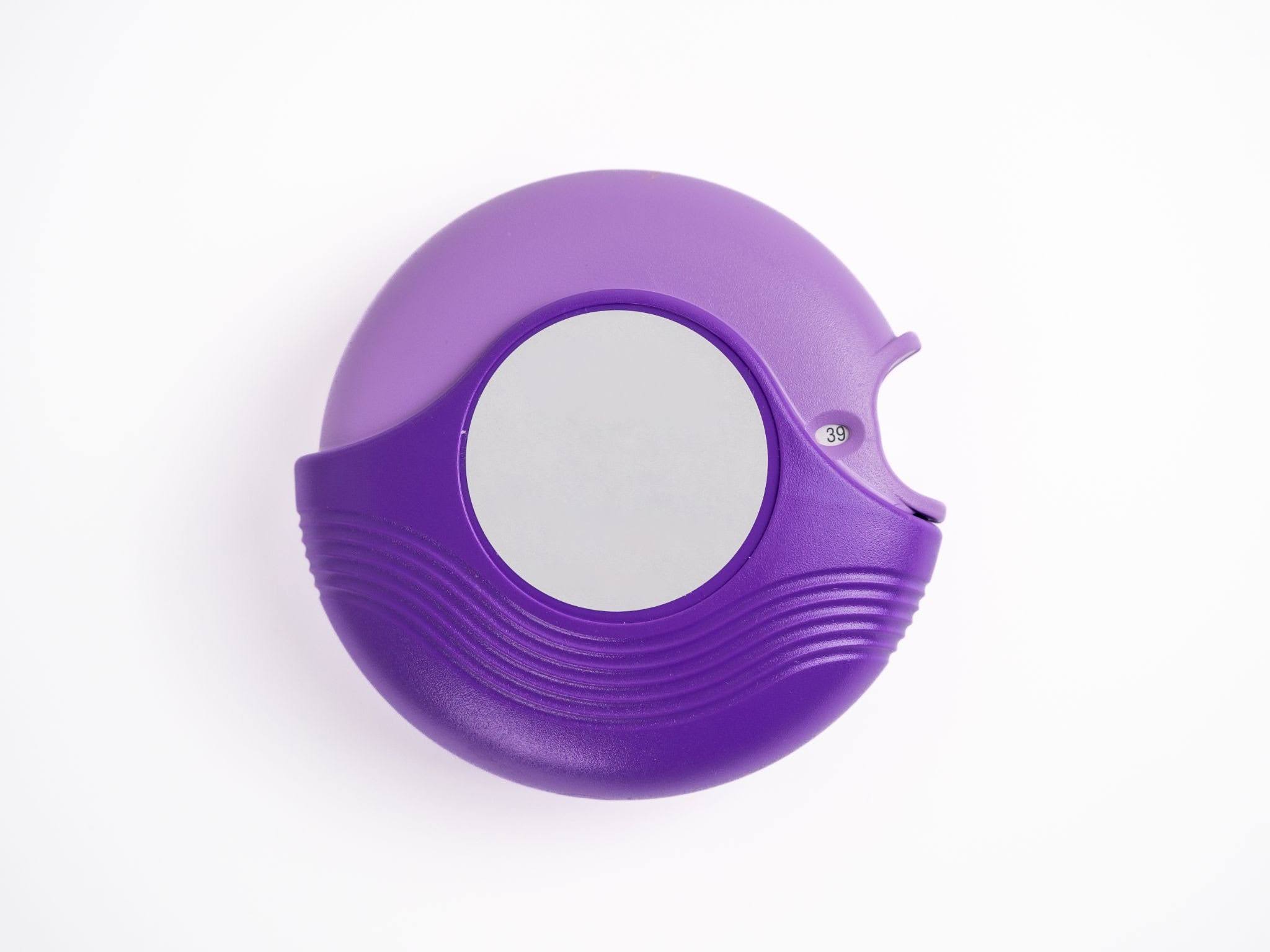
The dry powder inhaler is actually much better for the environment so you will likely start to see more and more people using it. Rather than pressing down to receive an aerosolised puff, this type of inhaler relies entirely on the force generated from the patient’s inhalation. Here is a step-by-step guide to dry powder inhaler technique:
If you need a second dose, wait around 30 seconds to 1 minute before repeating steps 2-9. Once you are done, reposition the protective cover over the mouthpiece and rinse your mouth.
As the pressurized metered-dose inhaler can be quite difficult to use, an attachment called a spacer can be added to it. The spacer looks like two cups put together to create a chamber and the inhaler is attached to the back of it. To use an inhaler with a spacer, it is very similar to the step by step of how to use the pressurized metered-dose inhaler alone. For good inhaler spacer technique, you make a seal around the mouthpiece of the spacer. Then, coordination is not required because you can press the inhaler to release a puff into the chamber before you breathe it in. Also, when you breathe in, you can either do a single deep breath in or five normal breaths in. After using the inhaler, you would need to wash the spacer and dry it.
All these types of inhaler have their own pros and cons. You can learn more about each inhaler here at Meds for Less. The most important part is to find out what works best for you. To make things clearer, the table below outlines the breathing technique, common mistakes, and key points of each of the inhaler types we discussed earlier.
| Type of inhaler | Breathing Technique when inhaling | Common Mistakes | Key points for correct use |
| Pressurised Metered-Dose inhaler (pMDI) | Breathe in slowly, steadily, and deeply. | Pressing the canister down before you have inhaled.Pressing the canister down after you have inhaled.Breathing in too quickly | Shake the inhaler before useStart breathing in before you press the canister |
| Pressurised Metered-Dose inhaler (pMDI) with a Spacer | Two options:Breathe in slowly, steadily, and deeply. Take 5 normal breaths in. | Releasing too many puffs into the Spacer at onceWaiting too long after you press the canister to breathe inBreathing in too quickly | Make a tight seal around the spacer mouthpieceInhale immediately after pressing the canister |
| Dry Powder Inhaler (DPI) | Breathe in sharply/quickly and deeply. It should be quite forceful. | Not breathing in strongly enoughBreathing out into the inhaler. The moisture can affect the inhaler’s function. | Breathe in forcefully and quickly; make sure it is still a deep breathBreathe out away from the device |
There are many ways you could notice that the inhaler technique is incorrect. For example:
| Sounds | When inhaling correctly, you should not hear any strange sounds. If you hear whistling when you inhale for example, this might mean that you are breathing in too quickly. If you hear a crushing sound on inhaling using the dry powder inhaler, this might mean the powder inside has been exposed to moisture and is clumped inside the device. |
| Mouth and throat symptoms | If the medication is being deposited more in your mouth/throat than lungs, you might end up with mouth and throat symptoms. For example, you might get white patches on your tongue or inside your mouth. These are due to fungal infections and are more likely to happen if your inhaler contains a steroid. Other symptoms you might experience include a dry cough, irritation of the throat, or a croaky voice. |
| Poor response to treatment | If you find that you are needing your inhaler very often, this might mean the technique is not bringing the medication into the affected areas. Similarly, if your breathing symptoms are not improving with treatment, this might be a sign of incorrect inhaler technique. For this category it is important to be careful. For example, while incorrect asthma inhaler technique may mean you are needing your inhaler more, it may also be a sign that treatment is not sufficient to control your symptoms. It is best to consult your clinician who can assess the situation. |
The best thing to do if you want to improve your asthma inhaler technique is to consult a clinician. They can assess the situation and teach you how to use an asthma inhaler correctly. For example:

Cleaning and maintaining your inhaler is important regardless of the type of device. This is because keeping the inhaler clean and functioning can help to reduce the risk of infection/contamination and also help ensure the right amount of medication is being given each time.
For a pressurized metered-dose inhaler:
For a dry powder inhaler:
Cleaning the Spacer
Generally, it is recommended that people get their asthma technique checked yearly. This is because it is fairly common for technique to get worse over time. Otherwise, some other cases when you should consult a clinician to check your asthma technique include: