
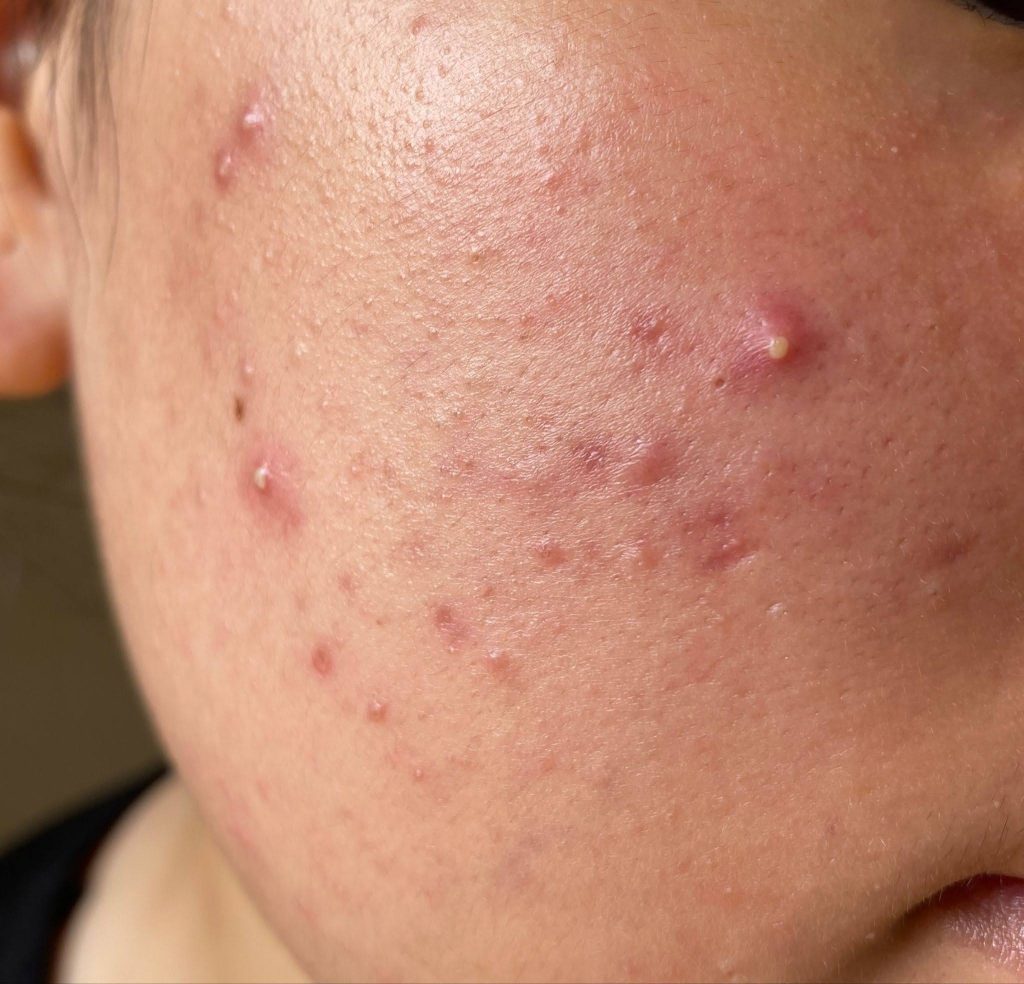
Hormonal acne is a form of acne that develops when hormonal fluctuations increase oil (sebum) production in the skin. This increased sebum production clogs the sweat glands, which allows bacteria to invade and colonise the skin. This causes inflammation, which leads to acne.
Unlike occasional breakouts of acne, hormonal acne tends to be linked to defined changes in hormones of the body such as menstrual cycle changes, pregnancy or stress.
Although this condition is common in puberty, it can also frequently occur in adults (especially in women) and sometimes persist into an adult’s 30s and 40’s.
Treating Hormonal acne in adults includes a mix of topical and oral medications depending on the severity of the acne, the frequency of breakouts and how you individually respond to medications. The range of medications used to treat hormonal acne includes topical antiseptics (Benzoyl peroxide), antibiotics (Doxycycline and Minocycline). and retinoids (topical Tretinoin or Adapalene).
In this article, we discuss what hormonal acne looks like and how to treat hormonal acne in adults.
You can find out more about our acne treatments and other dermatology medications from our website at Meds For Less.
Hormonal acne is acne that is triggered or worsened by fluctuations in hormones, especially hormones called androgens (to which the hormone testosterone belongs).
This can increase sebum (oil) production; excess oil clogs the skin and leads to blackheads (sweat pores open to the air), whiteheads (clogged sweat pores that are not open to the air), and small inflamed pimples (papules). Hormonal acne is particularly common during puberty, but it can also affect adults.
While both adult men and women can get it, it is more common in adult women, as the natural hormone fluctuations throughout the menstrual cycle make them more prone to acne.
Hormonal acne presents differently in different people because everyone has their own skin and an individual constitution. But common signs and symptoms of hormonal acne include:
Some signs that you may be dealing with hormonal acne as compared to normal acne include:
A picture is available in Figure 1 of what hormonal acne looks like, and in this article we will discuss how to treat it.
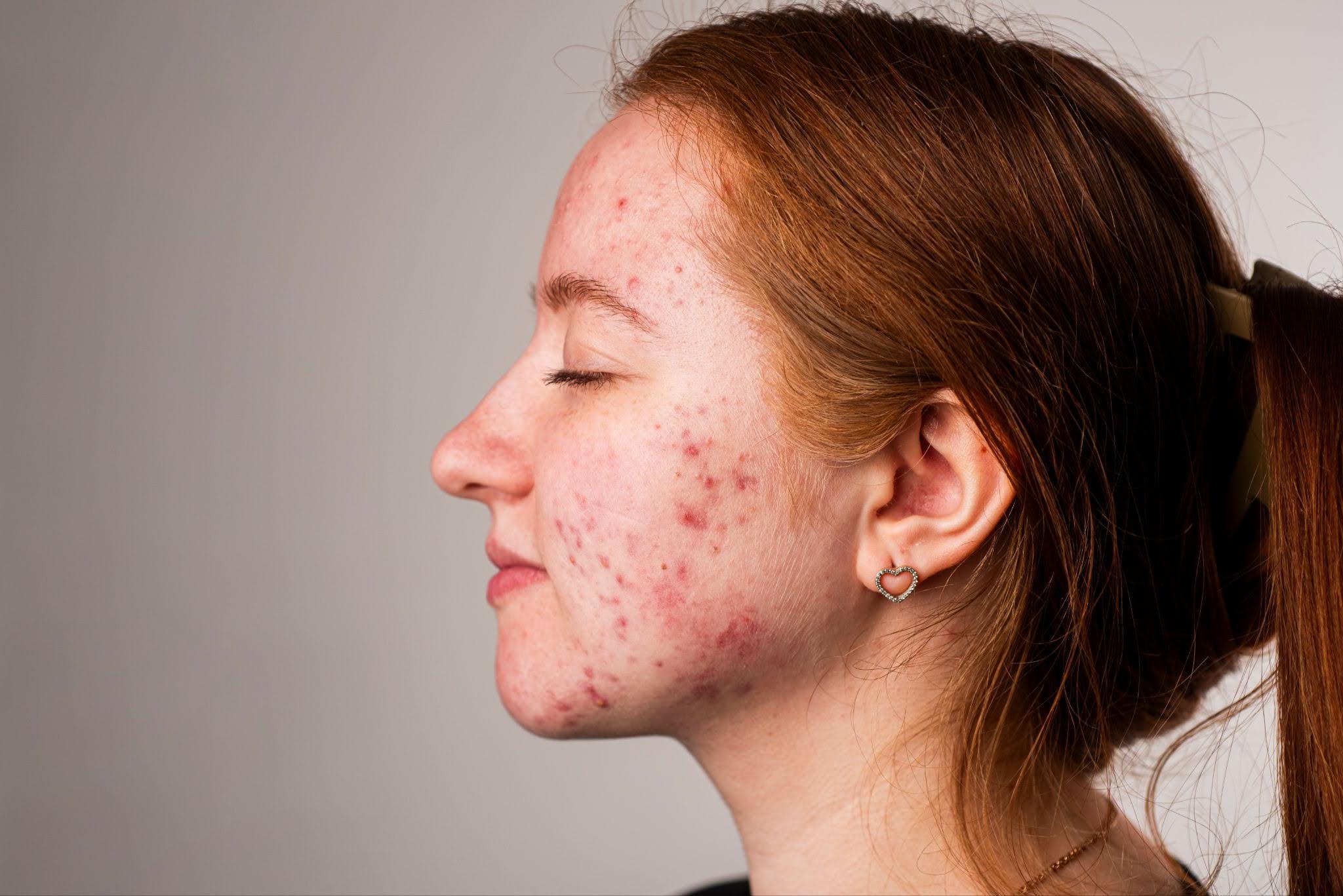
Figure 1: What hormonal acne looks like and how to treat hormonal acne in adults
You may also be wondering, “How long do hormonal breakouts last ?”. The answer is that hormonal breakouts vary from person to person, and an individual pimple may last only a few days or persist for several weeks before resolving. Conversely, more severe hormonal acne could last weeks to months. Please speak to your healthcare provider if you are concerned about the duration of your acne symptoms.
Hormonal acne occurs in adults when fluctuations in hormone levels increase skin oil (sebum) production in the skin. This excess oil combines with dead cells and bacteria, clogs pores and triggers inflammation that leads to breakouts. Hormonal acne is common during puberty, but it can also affect adult women, particularly around the menstrual cycle. Causes of Hormonal acne in adults include:
Women are especially prone to hormonal acne (Figure 2) because hormone levels naturally fluctuate during the menstrual cycle. Changes in oestrogen, progesterone and testosterone levels throughout the menstrual cycle can stimulate the sebaceous glands to produce more oil, increasing the risk of clogged pores and acne.
Hormonal fluctuations during pregnancy can also trigger new breakouts or worsen existing acne.
During perimenopause and menopause, the levels of oestrogen and progesterone decline in irregular patterns; this can also lead to adult-onset acne, especially around the jawline.
Starting and stopping hormonal contraception can also cause an alteration in the body’s hormonal levels, which can cause an acne breakout.
Certain medical conditions such as PCOS, now known as Polyendocrine Metabolic Ovarian Syndrome (PMOS) can increase androgen levels (testosterone levels) and decrease other hormones like oestrogen and progesterone.
These conditions can stimulate excess oil production in the body and increase the likelihood of deep, cystic acne. PMOS may also be accompanied by other symptoms such as weight changes, irregular periods, and abnormal hair growth patterns in the body.
In men, hormonal acne is often linked to androgen (testosterone) over-activity . Higher testosterone levels can stimulate the skin’s oil glands, leading to clogged pores and inflammation. Certain medications can also trigger or worsen acne, these include:
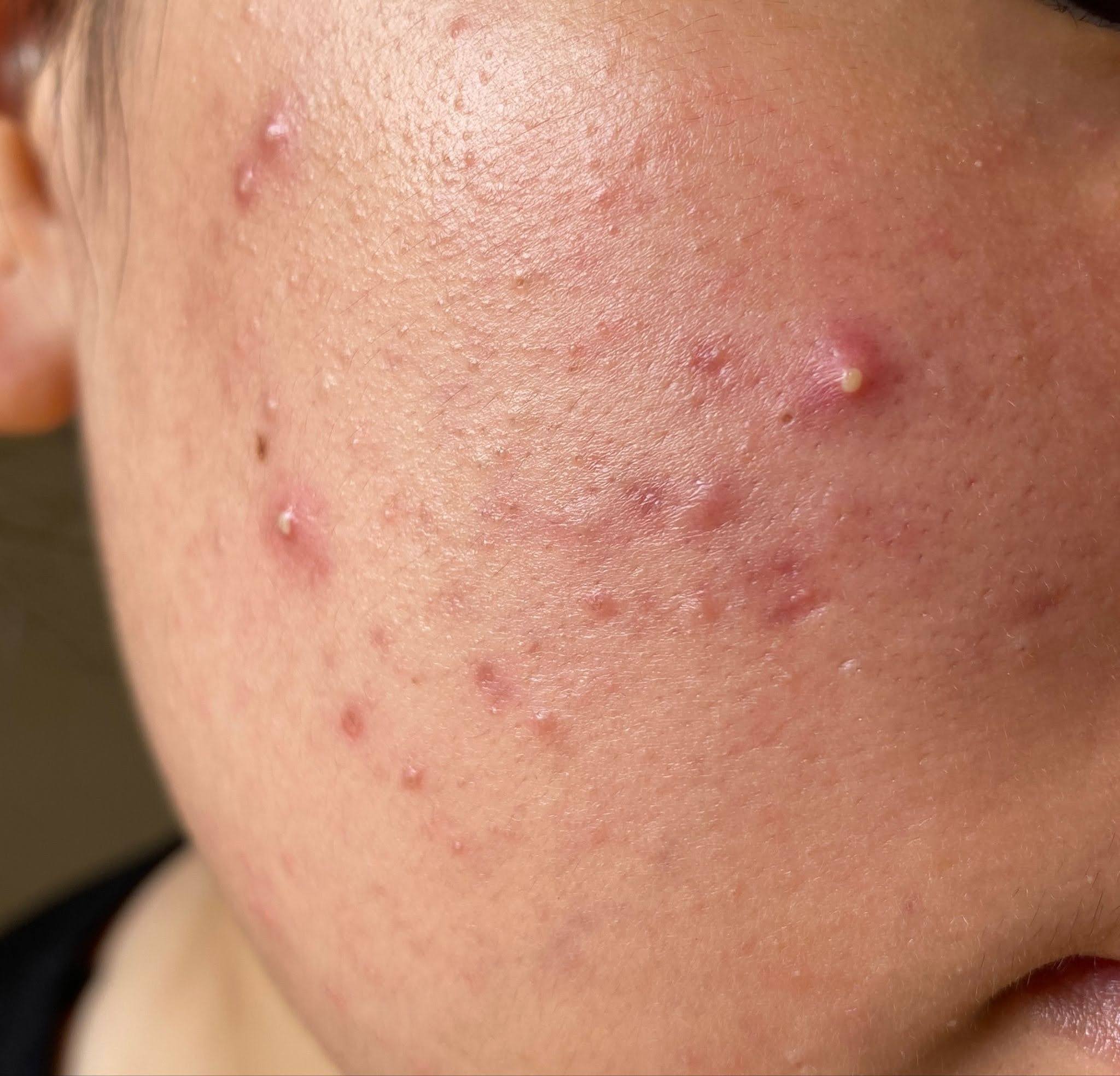
Figure 2: Causes of hormonal acne in adults
Treating hormonal breakouts can be managed with a range of topical medications, oral treatments and in severe cases, advanced therapies. The most appropriate treatment would depend on the severity of the acne, the underlying cause and the person’s individual factors such as age, sex and individual disposition to acne.
| Treatment types | Examples | How they work | Best For |
| Topical treatments | Retinoids, Benzoyl peroxide and Acetic acid | These medicines unclog pores, reduce inflammation and prevent new breakouts | Mild to moderate hormonal acne treatment |
| Oral antibiotics | Doxycycline or Minocycline | Reduces acne-causing bacteria and hence inflammation | Reducing moderate inflammation |
| Hormonal treatments | Hormonal contraceptive pills containing oestrogen and progesterone. | Regulate hormonal fluctuations and reduce excess oil production | Women with menstrual cycle-related acne |
| Oral retinoids | Isotrenitoin | Significant reduction in oil production and severe acne | Severe treatment-resistant acne |
Topical acne treatments are the first-line treatment for hormonal acne, especially for mild-to-moderate cases. These medicines help to reduce clogging of pores and inflammation and thereby reduce acne. These examples include:
Consistent use of these topical treatments is required, as most require several weeks of regular use before improvement occurs.
If, despite consistent use of topical treatments, there is still no resolution of acne and you are wondering “How to cure hormonal pimples ?” The answer is that in this case, oral or hormonal medications may be recommended. These examples include:
Severe Acne can cause painful cysts (fluid-filled lesions on the skin), nodules (firm pimple-like structures on the skin) and permanent scars, especially if left untreated for a long time.
Severe hormonal pimple treatment options include:
Sometimes treatments like chemical peels, light-based treatments or laser treatments may also be appropriate for severe acne.
For severe acne, please consult with your doctor or specialist dermatologist before starting treatment, as most treatment options require a consultant doctor’s supervision for this type of acne.
If you’re asking yourself questions like “How to prevent hormonal pimples ?”, then this section is for you.
While hormonal acne flare-ups cannot always be prevented completely, having good skincare habits and lifestyle choices can help reduce the frequency and intensity of breakouts. Consistency in good hygiene for skin is very important to reduce hormonal acne occurrence.
It is important to follow a good and consistent skincare routine, which can help keep the pores clear and minimise excess oil without irritating the skin. This includes practices such as:
Hormones and acne in adults have a very close relationship, especially stress hormones. It is also important to manage stress levels to prevent hormonal acne flare-ups. Helpful stress management techniques include:
Avoiding picking at or squeezing pimples. This can be very tempting; however, picking at lesions can cause increased inflammation, delay in healing and spread of bacteria (causing more acne breakouts).
For acne that is particularly triggered by hormonal fluctuations, keep track of your hormonal cycles and changes (e.g. for women with menstrual cycles). If required, please speak to your healthcare provider about using hormonal contraceptives to regulate body hormone levels.
Occasional acne breakouts are common, but severe and persistent hormonal acne may require professional treatment.
A doctor or dermatologist can help you identify underlying hormonal issues causing acne and recommend therapies that can target the root cause of the acne rather than just the symptoms.
You should schedule a medical professional about acne if:
Your doctor can assess your symptoms, their frequency and their severity before recommending the most appropriate treatment option for you.