

Your body has a great security alert system that is good at detecting threats like pollen or insect bites. When it detects these intruders, the body releases something called histamine. This is a chemical that acts like an alarm bell to trigger reactions in the body to protect you. It is this that causes the very uncomfortable itchy eyes, sneezing, or skin rashes. Sometimes this security system is overly sensitive and produces a larger response than necessary. Antihistamine medications can help prevent or reduce these effects. In fact, we have now developed a range of antihistamines that can also help with other symptoms or conditions such as insomnia and nausea. Read on to learn how antihistamines work, how quickly they can take effect, how long their effects may last, and how they are used for common allergy symptoms.
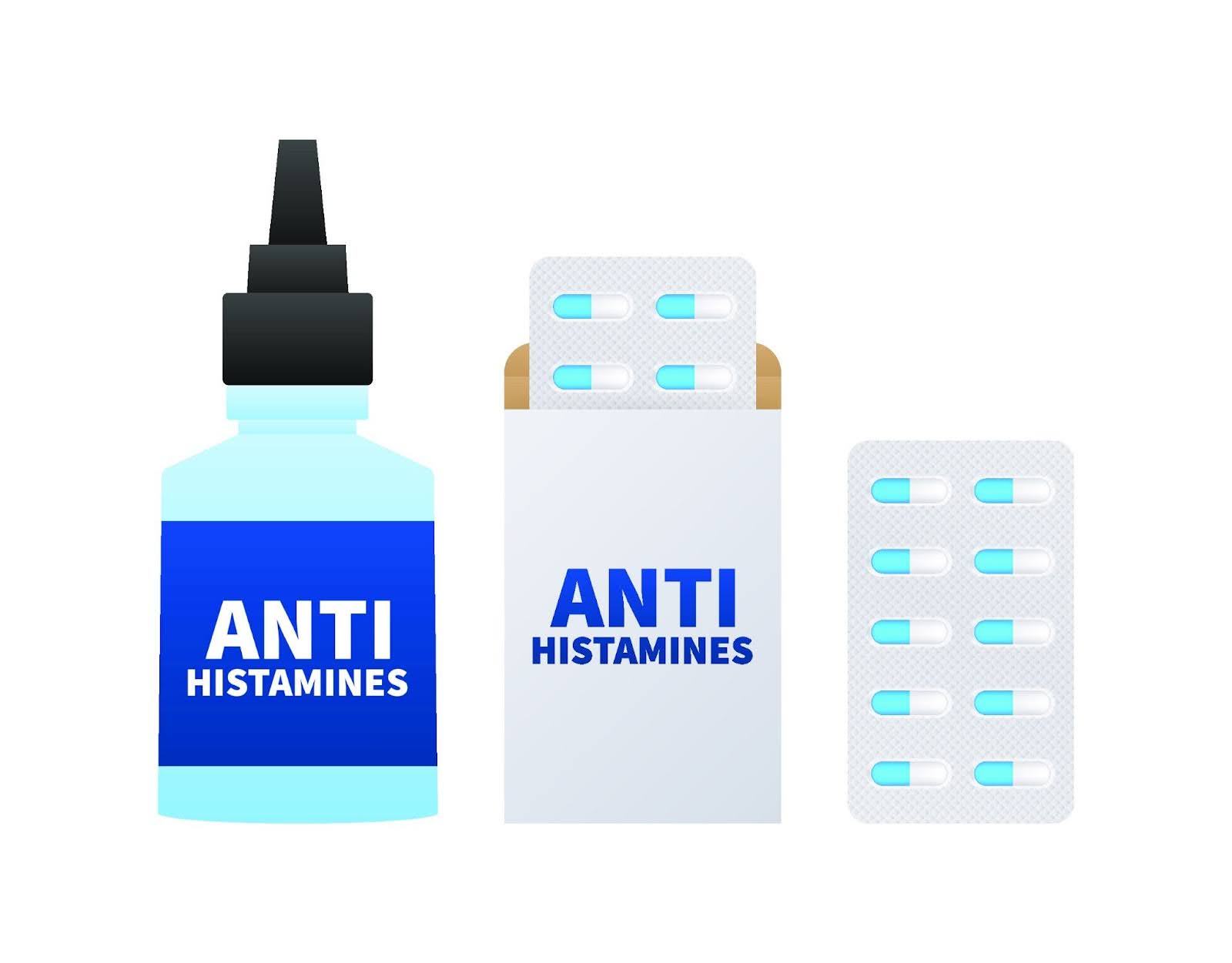
Antihistamines are a type of medication often used to manage symptoms such as hives, runny nose, itchy eyes (i.e allergic symptoms) but can also be used to manage nausea, motion sickness, and even insomnia. Versatile right? Antihistamines are available in several forms, including tablets, liquids, eye drops and nasal sprays. Many can be purchased over the counter from pharmacies and other authorised retailers, including Meds for Less, while some are available on prescription. The way they work depends on the histamine receptors they target.
Antihistamines are commonly grouped into first- and second-generation medicines. First-generation antihistamines are more likely to cause drowsiness because they can enter the central nervous system more easily. Second-generation antihistamines are generally less sedating and are often preferred for daytime allergy relief. Common first-generation examples include chlorphenamine and promethazine, while second-generation examples include cetirizine, loratadine and fexofenadine.
| Feature | First-generation antihistamines | Second-generation antihistamines |
| Drowsiness | More likely to cause drowsiness | Less likely to cause drowsiness |
| Duration | Often shorter-acting | Often longer-acting |
| Common use | Allergy relief; some may also be used for motion sickness or sleep-related symptoms | Mainly daytime allergy relief |
| Examples | Chlorphenamine, promethazine | Cetirizine, loratadine, fexofenadine |
So how do antihistamines work? Antihistamines work by blocking the effects of histamine at specific receptors in the body. Most allergy antihistamines act mainly on H1 receptors, helping reduce symptoms such as sneezing, itching, watery eyes and a runny nose. By blocking the histamine receptors, this stops the activation of receptors which cause the blood vessels to dilate and become more permeable/leaky; this then causes the allergic reaction (e.g sneezing, itchiness). Additionally, as there are many kinds of antihistamines for different purposes, it might be helpful to go through the types of receptors that are targeted and what effects they produce:
The H1 receptors are found around the body (e.g in smooth muscle, in the airways). Normally, histamine binds to the H1 receptor and brings about the inflammatory response. Thus, the H1 receptor antagonist type of antihistamine blocks the receptor from being activated and then stops the allergic response.
The H2 receptors are found in the stomach where they produce stomach acid. The H2 receptor antagonist antihistamines thus block these receptors and reduce stomach acid secretion. There are four types of histamine receptors but the main ones targeted by antihistamine medications are H1 and H2.
How long antihistamines take to work depends on the medicine and its formulation. Some people may notice symptom relief within around 30 minutes, while other products can take longer to reach their full effect. Nasal sprays and eye drops may act more quickly at the target area than oral tablets.
How long the antihistamine’s effect lasts depends on what type of antihistamine you are taking. For example, antihistamines such as Chlorpheniramine that cause drowsiness will last longer (e.g around 4 to 6 hours). On the other hand, one dose of the non-sedating antihistamines such as Loratadine or Cetirizine typically lasts around 12 to 24 hours.
Several factors can influence how quickly an antihistamine begins to work, including its formulation, dose, whether it is taken with food, and individual response.
The formulation (e.g nasal spray vs oral tablet) can be a factor in how quickly antihistamines work. For example, topical (nasal spray, eye drops) antihistamines may act quicker on the target area compared to oral or liquid form antihistamines that you ingest. Regardless, overall antihistamines work quite quickly to relieve allergic symptoms. Another key medication factor is the dosage, make sure to read the specific instructions on the medication package to ensure you are taking the right dose for your age as it may affect your response to the antihistamine. Please consult a pharmacist or your healthcare provider if you are unsure about what dose to take or about contraindications or interactions with other medications for chronic conditions that you may be taking.
The effect of food on the absorption of antihistamines depends on which antihistamine you are taking. For example, it does not matter if you take Cetirizine on an empty stomach or after food, but the instructions can vary between antihistamines, so always check the patient information leaflet for the specific medicine you are taking. Check with your healthcare provider if you are unsure about how to take the specific antihistamine you are using.
Much like a lot of medications, individual differences in the response to antihistamines can mean symptom relief happens very quickly for some people but more slowly for others. This could be due to a range of reasons from pre-existing medical conditions, individual sensitivity to histamine, or individual differences in metabolism. Sometimes you might find that you have to try a few different antihistamines before you can find out which one works best for you.
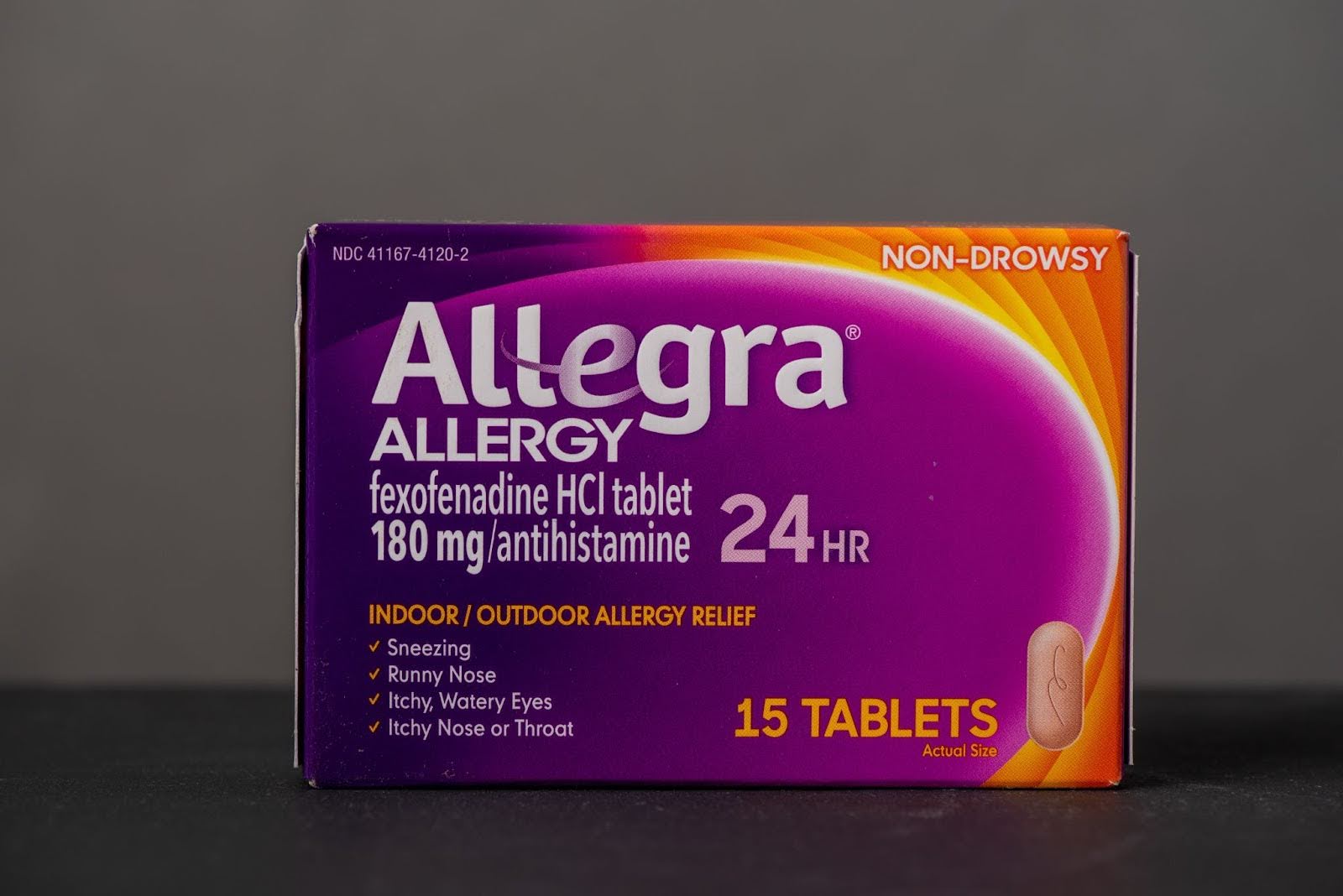
Antihistamines are commonly used to relieve symptoms caused by allergies and may also be used for certain other conditions depending on the medicine. Antihistamines can be used to manage a large range of conditions and symptoms, let’s go through a few common ones:
If you experience any of these symptoms or conditions, you may benefit from antihistamines. Please consult your healthcare provider who can recommend a suitable antihistamine or other treatment for you.
As with all medications, although antihistamines are very safe and widely used, there are some side effects and safety considerations that you should be aware of. It is useful to go through this by covering sedating and non-sedating antihistamines separately.
Some more common side effects include:
| Sedating antihistaminesE.g Chlorphenamine | Non-sedating antihistaminesE.g Cetirizine, Loratadine |
| Feeling drowsy or uncoordinatedFeeling like your mouth is dry
Blurred vision Finding it more difficult to pee |
HeadacheNausea |
If you notice any unusual side effects or an allergic reaction (swelling, feeling like you cannot breathe, fainting etc.) after taking an antihistamine please seek emergency medical attention. This is a rare complication but important to be aware of regardless.
People who are pregnant or breastfeeding, children, older adults, people taking other medicines, and people with certain long-term health conditions should check the medicine leaflet or speak to a pharmacist or healthcare professional before taking an antihistamine where appropriate.
Some safety considerations to help you take antihistamines safely include: