
Aciclovir is an antiviral medication used in the treatment of infections caused by viruses of the Herpes family. These include infections such as Cold Sores and Genital Herpes (caused by Herpes Simplex Virus) and Shingles (caused by Varicella Zoster Virus).
This medicine works by identifying cells in the body infected by the virus and stopping viral replication in the body. If you are asking questions such as “Does acyclovir help heal cold sores ?” or “How effective is Acyclovir ?”, then this article is for you.
In this article, we cover the differences between Aciclovir cream and tablet forms, when to use Aciclovir on cold sores for the best outcome and what results can be expected from Aciclovir use for cold sores.
You can now order general health medications (such as Aciclovir) and medications for genital herpes, warts and other viral infections from Meds For Less. We will deliver these medicines safely, easily and reliably to your home address within 24 hours of your placing the order.
Acyclovir is a antiretroviral medication used to treat infections caused by viruses in the Herpes family. It does not cure these infections, but it slows the replication of the virus enough so that symptoms resolve quickly, severity is reduced, and the future risk of infections is significantly reduced.
Acyclovir is commonly used in the treatment of the following conditions and viruses:
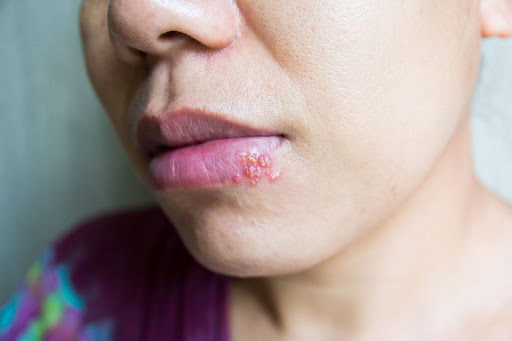
Cold sores are caused by a virus called Herpes Simplex Virus (Picture 1 Below). This virus infects the skin cells around the mouth and lips. Aciclovir works by stopping the virus from multiplying, allowing the body to heal faster and reducing discomfort.
HSV-1 infects certain cells in the body. These cells contain a certain enzyme (Thymidine kinase). Aciclovir is only activated in the cells that contain this activated enzyme; healthy cells are largely spared.
Inside the affected cells, aciclovir is largely converted into the active form aciclovir triphosphate. The active drug prevents viral replication by blocking DNA metabolism.
This shortens the duration of the HSV infection and reduces pain. tingling and burning. It also limits the spread of the virus to the nearby skin and helps lesions crust and heal faster.
Picture 1: Cold sores are caused by Herpes Simplex Virus. This article helps you understand how effective is aciclovir for cold sores treatment
If you are looking to answer questions like “Does aciclovir help heal cold sores ?” or looking to identify Acyclovir effectiveness cold sores management, then this article is for you.
Yes, aciclovir does work for cold sores, but how well it works depends on when and how it is used. Cold sores are caused by the Herpes Simplex Virus, and aciclovir works by slowing the virus’s replication cycle and giving time for the body to heal the skin.
Aciclovir shortens the healing time (by 1-2 days on average). It reduces pain, tingling and burning in the skin and limits spread to nearby skin. It also lowers shedding and lowers viral infectivity. It is important to note that aciclovir does not cure herpes or prevent future cold sores.
Aciclovir is most effective for cold-sores if it is started at the itching/tingling stage and if it is started within 24 hours of symptom onset. Once a cold sore blister has fully formed or crusted, the benefit of the medication reduces slightly.
The form of aciclovir (Cream or Tablets) does matter for cold sore treatment.
Aciclovir cream is best for mild and localised cold sores that appear in occasional outbreaks. The benefit of aciclovir cream treatment is modest and requires frequent application (5 times daily for days).
Oral aciclovir tablets are used for severe, frequent or extensive cold sores or if the patient is immunocompromised. Oral tablets have a stronger anti-viral effect and are more effective at reducing the duration and symptoms of cold sores.
Cold sores are caused by the Herpes Simplex Virus, and aciclovir works by slowing viral replication and reducing the intensity of the infection. This effect of aciclovir means it’s healing effects are gradual, and clinical symptoms are usually shortened by 1 day, as opposed to fast and deliberate healing.
Without aciclovir treatment, a cold sore typically lasts for 7-10 days.
If aciclovir is started early (within the first 2 days of the flu or redness), the healing time is reduced by 1-2 days. Alongside this, the pain, burning and tingling are less severe and the blisters crust and heal much sooner.
The following is a typical treatment timeline of cold sores with aciclovir:
If you are looking to understand, “How fast does acyclovir pills work for cold sores ?”, then this article is for you.
Oral aciclovir works faster and more effectively than antiviral creams because it targets the virus systematically (in the whole body).
Oral aciclovir begins suppressing the viral infection in the body in a few hours. The pain and inflammation often improve within 24-48 hours, and viral-shedding is also more reduced than in topical treatments.
Oral aciclovir is often prescribed more for severe or extensive cold sores, frequent reccurences or immunocompromised patients.
In practice, many doctors prefer the use of oral antivirals for faster symptom control, especially if it is started early.
Cold sores are caused by the Herpes Simplex Virus and occur around the lips or the mouth. Whether you are using aciclovir creams or tablets for treating cold sores depends on their severity, timing and how often they occur.
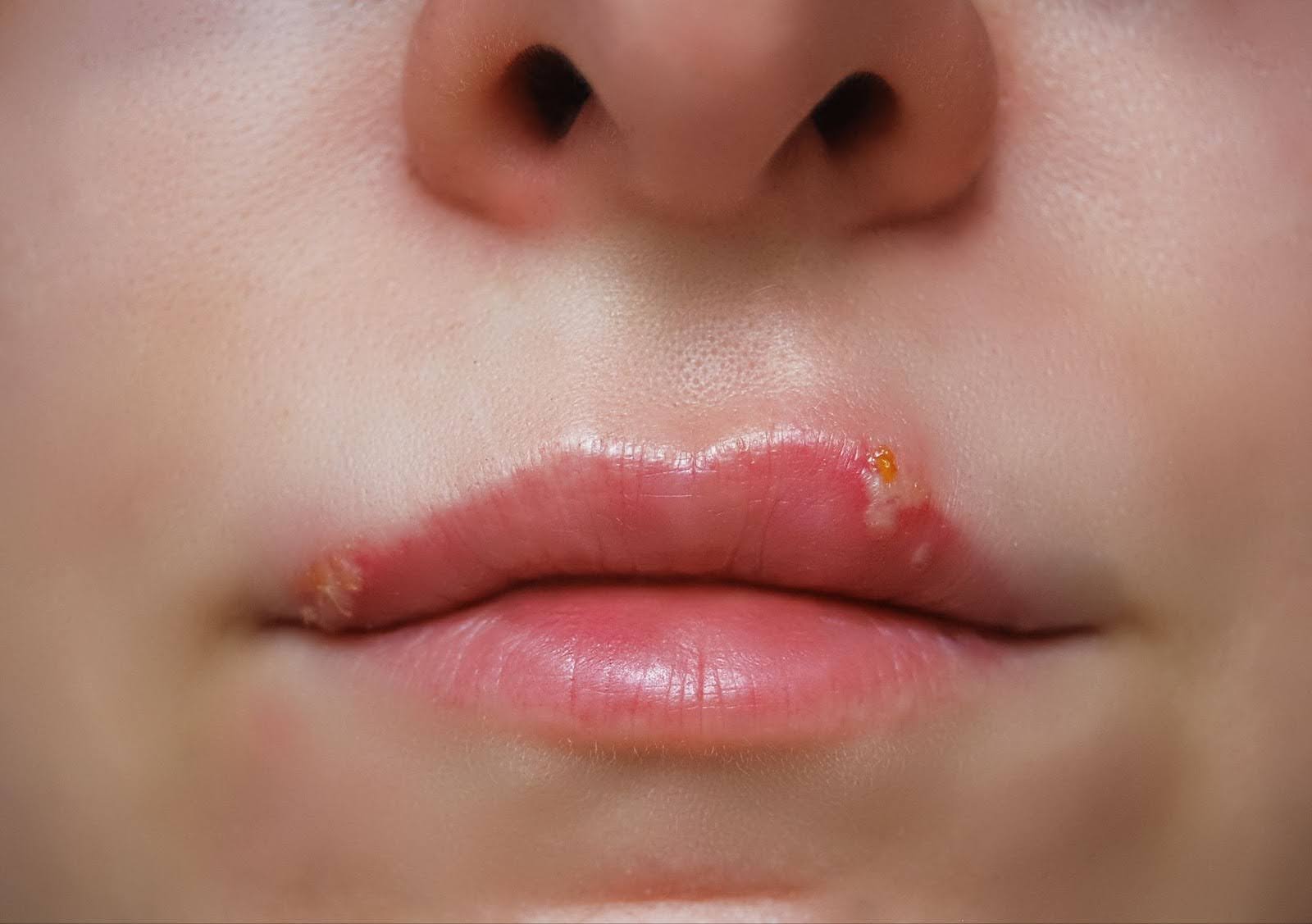
Aciclovir cream is best for mild, localised cold sores that occur in occasional outbreaks. and for dealing with early symptoms like tingling or itching (Picture 2 below). Aciclovir creams act locally on the infected skin and limit viral replication at the sore-site. The best way to use aciclovir cream is to apply it 5 times daily for 5 days and start it as early as possible.
Picture 2: Aciclovir for cold sores can be used in cream or tablet form, depending on how serious the outbreak is
Aciclovir tablets are best used for severe, extensive or painful cold sores that have frequent recurrences. They are also used if topical treatments (like creams) fail or for patients who are immunocompromised (taking steroids, have diabetes or HIV). The tablets treat the virus systematically and suppress viral infection effectively. The tablet form of the medicine begins working immediately and improves symptoms within 24-48 hours.
Both forms of the medicine are good in the treatment of cold sores; the gel/cream form is more effective for mild treatment, whereas the tablet form is good for more severe symptoms.
Timing is a very important factor when considering using acyclovir for cold sores caused by Herpes Simplex Virus.
The best time to start aciclovir (tablets or cream) is in what is called the prodrome stage. This is when the tingling, itching, burning and tightness around the lips starts. If taken at this stage, aciclovir can reduce symptom severity, shorten symptom duration by 1-2 days, and prevent further symptoms from forming.
If blisters/ cold sores have already appeared, aciclovir can still be helpful as it can speed healing and reduce pain; the benefit is less than if it is started during the prodromal phase.
If the blisters/ crusts are in the final stages, then using aciclovir may have limited benefit; use at this point may deliver some discomfort relief.
If you have been wondering about the benefits of Aciclovir treatment and asking questions like “ How does taking acyclovir help cold sores ?”, then this article is for you.
Aciclovir is a well-established antiviral medicine used for the treatment of cold sores caused by Herpes Simplex Virus. The benefits of this antiviral medicine are clinical (symptom relief) and preventive (reducing recurrence and spread). Some key benefits of aciclovir treatment include:
Aciclovir is a generally well-tolerated medication, especially when used short-term, such as when used for cold sores. The side effects and precautions depend on whether the oral or cream form is being used.
The side effects of using Aciclovir cream are:
The side effects of using aciclovir tablets are:
Common side effects (including):
Rare side effects (including):
If you experience any of the rarer side effects, please stop using aciclovir and seek medical help immediately.
Precautions to take when using Aciclovir include: