
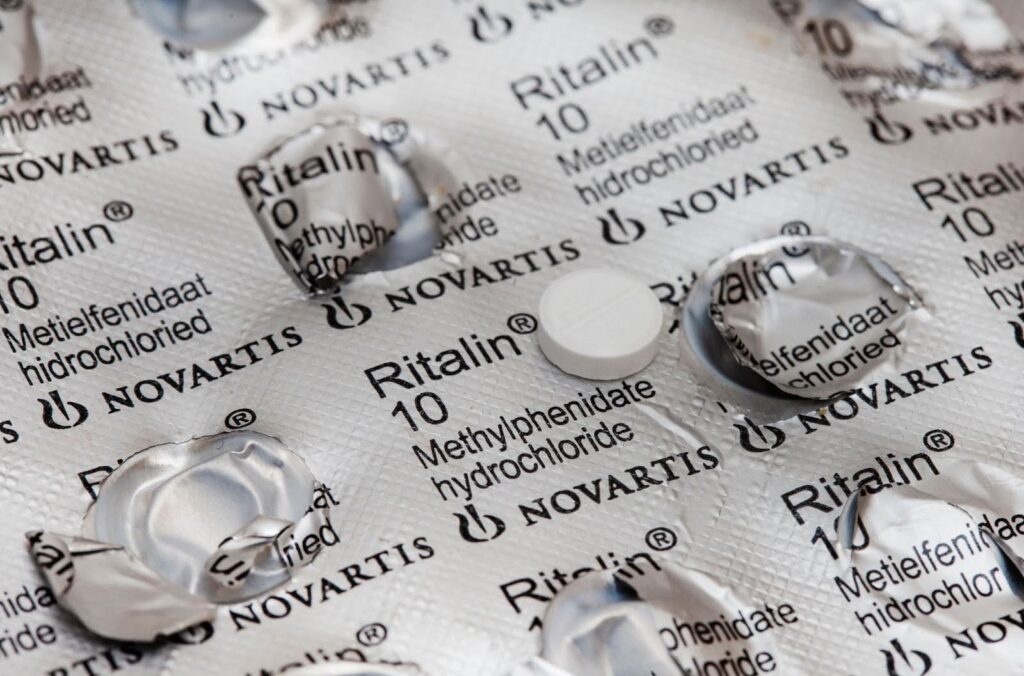
Ritalin is one of the most commonly prescribed medications for managing Attention-Deficit/Hyperactivity Disorder (ADHD), a condition that affects attention, impulse control and activity levels in both children and adults.
For most people, Ritalin is remarkably effective at improving ADHD symptoms- improving concentration, hyperactivity control and daily function at school, work or home.
But how does ritalin work for adhd? And how effective is ritalin treatment for adhd?
When you come across the various formulations, doses, and treatment responses, it can be overwhelming to understand Ritalin and its treatment for ADHD.
In this Meds for Less article we cover everything from how Ritalin works as a stimulant medication, its timing and duration, its different formulations and who it might be best suitable for. This should help you make an informed decision about managing ADHD, either for yourself or a loved one.
Ritalin acts as a stimulant in your nervous system and aims to boost levels of concentration, impulse control and focus by regulating the levels of important chemicals in your brain- dopamine and noradrenaline.
Dopamine is the neurotransmitter responsible for pleasure seeking, attention span and controlling movement.
Noradrenaline is a nervous system stimulant.
Ritalin works by preventing the reuptake of dopamine and noradrenaline and therefore increases their levels in the brain.
This allows the neurotransmitters to act for longer and helps improve concentration, focus and hyperactivity control.
These changes mostly occur within the prefrontal cortex, the area of the brain responsible for executive functions like decision-making, attention, and self-control. These areas are typically underactive in people with ADHD.
By making it easier to concentrate, fidget less and control impulsive behaviour, adhd treatment with ritalin can help you focus better at school or while at work.
The onset of Ritalin’s action and how long it lasts for depends on the version of Ritalin. The list below summarises these differences.
This table also summarises the forms of Ritalin, their onset, duration and key features.
| Medication | Type | Onset | Duration | Daily dosage | Key Features |
| Ritalin (IR) | Immediate- Release (tablet) | 30-45 minutes | 3-4 hours | 2–3 times per day | Fast-acting, short-acting but more frequent dosing needed. |
| Concerta | Extended- Release | ~1 hour | Up to 12 hours | Once daily | Gradual release for more long lasting effects |
| Metadate CD | Extended- Release | 30-60 minutes | 6–8 hours | Once daily | 30% IR / 70% ER. A capsule form which can be opened and sprinkled on food. |
| Focalin (IR/XR) | Immediate & Extended- Release (XR) | 30-45 min (IR) 60 min (XR) | 4 hrs (IR) 10-12 hrs (XR) | 2x daily (IR) Once daily (XR) | Focalin is another form of methylphenidate. It can be as effective as half the dose of Ritalin. |
| Daytrana | Transdermal Patch | Up to 2 hours | Up to 12 hours | Once daily | A non-oral, skin patch alternative. Ideally applied to the hip, and has more lasting-effects. Effects persist even 2 hours after having removed the patch. |
Therefore, one effect of ritalin as a treatment for adhd is that it quickly begins to work, and has different forms which can match your daily needs.
Ritalin is especially effective in school-aged children (about 6-12 years of age).
Ritalin has been used for young children (around kindergarten age and older) since as early as the 1960s.
Research studies have shown that Ritalin remarkably improves ADHD symptoms in young children, allowing them to perform better academically, focus while learning and cause less classroom disruption. Ritalin has also demonstrated positive long-term effects on children’s brain function and ADHD severity.
Still, this still poses the question: how effective is ritalin for adhd in adults?
Ritalin has proven clinical benefits for adults and adolescents and demonstrates an effective response rate too.
Ritalin helps to manage ADHD complications such as reduced attention span, time management and impulse control. This helps adults perform better at work and meet workday demands.
While Ritalin is largely favoured as an ADHD treatment for its effectiveness and tolerance, there are many factors which can influence its effectiveness. Co-existing conditions, lifestyle factors, and individual differences can all impact a person’s response to treatment, and like any medication, Ritalin does have potential side effects:
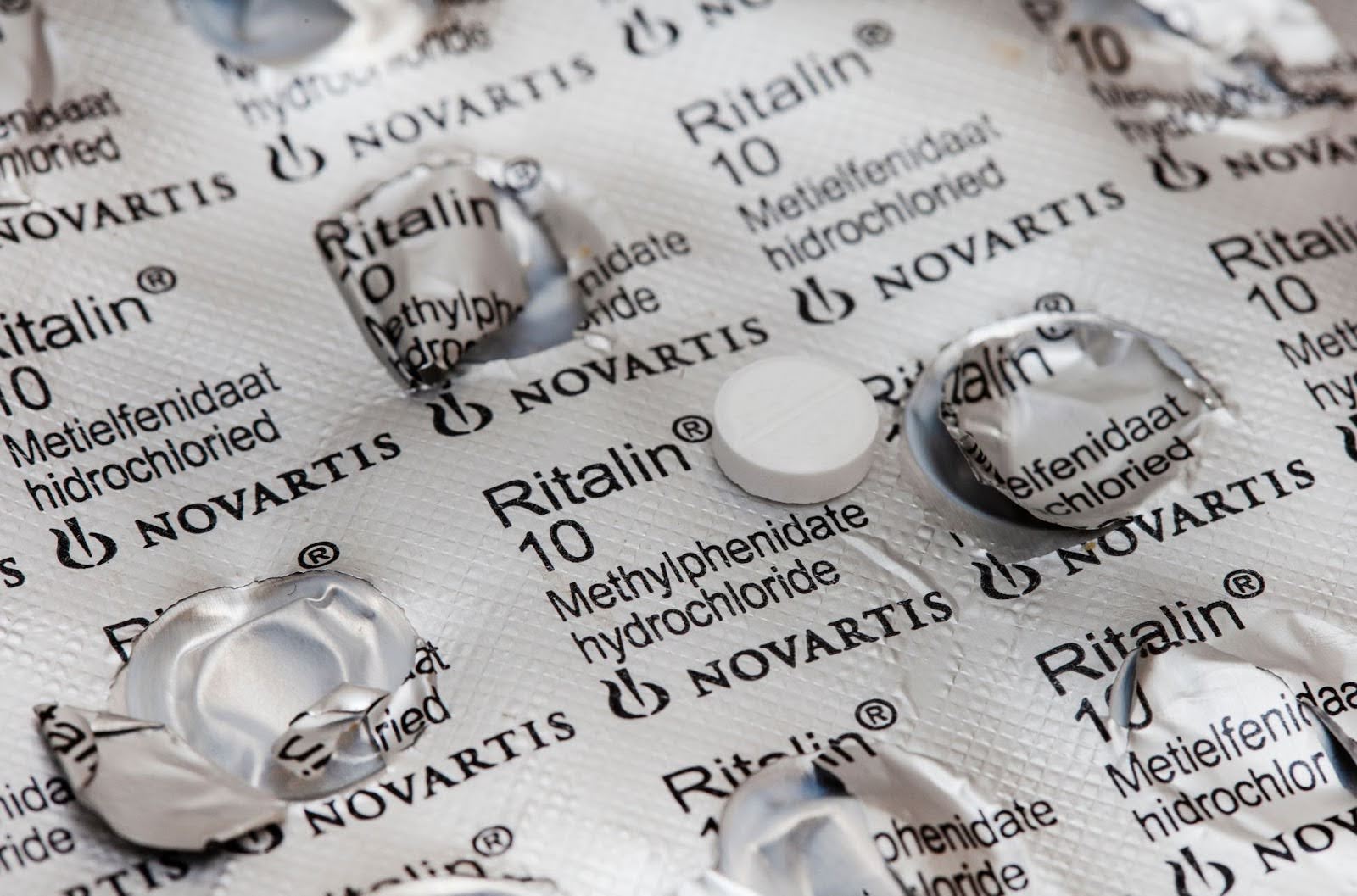
Ritalin is a prescription medication. This means ADHD must be diagnosed through a clinical evaluation by a medical professional. You, your family members or someone who has known you since young may be asked about relevant ADHD symptoms or presentations you may have.
Ritalin won’t be prescribed to you if you have certain risks, such as:
Unfortunately Ritalin and other prescription medications for ADHD and Narcolepsy are not available for sale at Meds for Less, however we do stock a range of medications for chronic conditions, just not ADHD.
As always, if you have any concerns about taking Ritalin and any risks, consult your doctor or pharmacist to discuss options with you.
The formulation of Ritalin can determine the dosage, personal effectiveness and suitability for you. There are immediate-release (IR) and extended-release (XR) forms available. While immediate-release forms act faster than XR (30 minutes vs 1 hour), their effects don’t last as long (4 hours vs up to 12 hours).
Some forms may also be easier to consume if you have troubles swallowing tablets, examples such as IR Ritanil and Focalin can be crushed and swallowed with soft foods like yoghurt or honey.
The table below further highlights the different kinds of Ritalin and their features.
| Medication | Onset | DuratIon | Daily Dose | Key Features | Advantages | Limitations |
| Ritalin (IR) | 30-45 minutes | 3-4 hours | 2-3x a day | Fast-acting, but more frequent dosing needed. | Quick onset, flexible dosing, lower cost. Can be crushed and mixed with food. | Short duration, inconvenient midday dosing, rebound of symptoms, more likely to miss doses |
| Concerta (XR) | ~1 hour | Up to 12 hours | Once daily | Gradual release for more long-lasting effects | Covers entire work/school day, smooth gradual release, once-daily dose | Cannot be split or adjusted, longer onset, may not be suitable for those with swallowing difficulties, more expensive |
| Metadate CD | 30-60 minutes | 6-8 hours | Once daily | 30% IR / 70% ER. Capsule form which can be opened and sprinkled on food | Quick, extended duration, flexible for kids (can sprinkle on food) | May not last a full day, possible variation in absorption, afternoon “crash” may occur |
| Focalin (IR/XR) | 30-45 min (IR) | 4 hrs (IR) 10-12 hrs (XR) | 2x daily (IR) Once daily (XR) | Can be as effective as half the dose of Ritalin. | Lower effective dose available in both short and long-acting forms, some report fewer side effects. Can be crushed and mixed with food. | Pricier than generic Ritalin, not everyone responds better, fewer generic options |
| Daytrana (transdermal patch) | Up to 2 hours | Up to 12 hours | Once daily | A non-oral, skin patch alternative. Applied to the hip. Effects persist 2 hrs after removal | No need to swallow pills, long duration, flexible wear time | Slower onset, potential skin irritation, not suitable for kids who dislike wearing patches or have sensory sensitivities |
To address one of the key concerns: is ritalin safe for adhd, especially long-term?
Ritalin is generally safe while treating ADHD long-term, especially when being monitored for potential side effects.
While taking Ritalin, your doctor may monitor side effects such as:
While side effects aren’t widely common, regular check-ups may include blood pressure and heart rate measurements, as well as growth tracking in children.
The effectiveness of Ritalin varies depending on whether inattentive, hyperactive-impulsive or combined ADHD symptoms are present. In clinical practice, how effective is Ritalin for ADHD depends on the individual balance of attention deficits, executive-function difficulties and behavioural symptoms.
Ritalin improves sustained attention, task initiation and impulse control, which is why Ritalin treatment for ADHD is considered a core option in both paediatric and adult management plans. As symptom patterns differ from person to person, dose adjustments and formulation changes help achieve the most consistent therapeutic response.
Ritalin is widely used in paediatric ADHD care because its measurable effects support both learning and behaviour. The answer to is Ritalin an effective solution for children with ADHD becomes clear when examining the specific areas in which improvement is commonly seen:
Together, these effects demonstrate why is Ritalin effective for ADHD remains an important consideration across different age groups.
Methylphenidate (Ritalin and Concerta) is one of the most extensively studied stimulant medications used in ADHD management. Long-acting formulations are often preferred because a single daily dose can provide stable symptom control throughout the day. This helps maintain focus, regulate behaviour and support executive functions such as planning, organisation and decision-making.
Although some mild side effects may occur — including reduced appetite, difficulties with sleep or occasional mood changes — current evidence does not indicate that methylphenidate causes serious long-term harm when it is prescribed appropriately. No strong association has been found between its long-term use and chronic cardiovascular or neurological complications.
Key observations include:
These findings support the use of methylphenidate as a well-established and reliable option in both short-term and long-term ADHD care for children and adolescents.
It may take a few weeks before Ritalin begins to work completely.
Finding the most suitable dose and form may take some time (a trial and adjustment method), but once you do, Ritalin should start to work 30-45 minutes after taking it.
Your doctor may start you on a typical dose of standard Ritalin at 5mg taken 2-3 times a day. They will then gradually increase your dose to a level which is most effective for you.
Extended-release tablet doses are typically 18mg and taken once a day.
A brief outline of what to expect in the first few weeks is highlighted below.
Weeks 1-2:
Weeks 3-4:
Helpful tips:
While taking Ritalin, it may also be recommended to receive behavioural therapy, coaching, or counselling to optimise the best outcomes for you.