

If lifestyle changes have not been enough for someone to lose significant weight, medical weight loss treatment can be considered as an “add-on”. Weight loss medication is therefore not meant to be used long term and noticeable results will likely need months of treatment. In this article, we answer some frequently asked questions about weight loss treatment and look at how long treatment with weight loss medication typically lasts.
When we talk about medical weight loss treatment, this usually means a combination of lifestyle changes and weight loss medication. Let’s start with lifestyle changes, this refers to a nutritious and balanced diet, regular physical activity, and behaviour or habit changes. Lifestyle changes should always be the first option for weight loss and will need to be maintained while on medication and after stopping medical treatment as well.
In terms of the medication aspect, some options that you might use include: Wegovy, Mounjaro, Orlistat etc. This kind of medical weight loss treatment is not intended for casual use but specifically for people who meet specific criteria regarding BMI and health risks. Click here to read more information on semaglutide for weight loss.
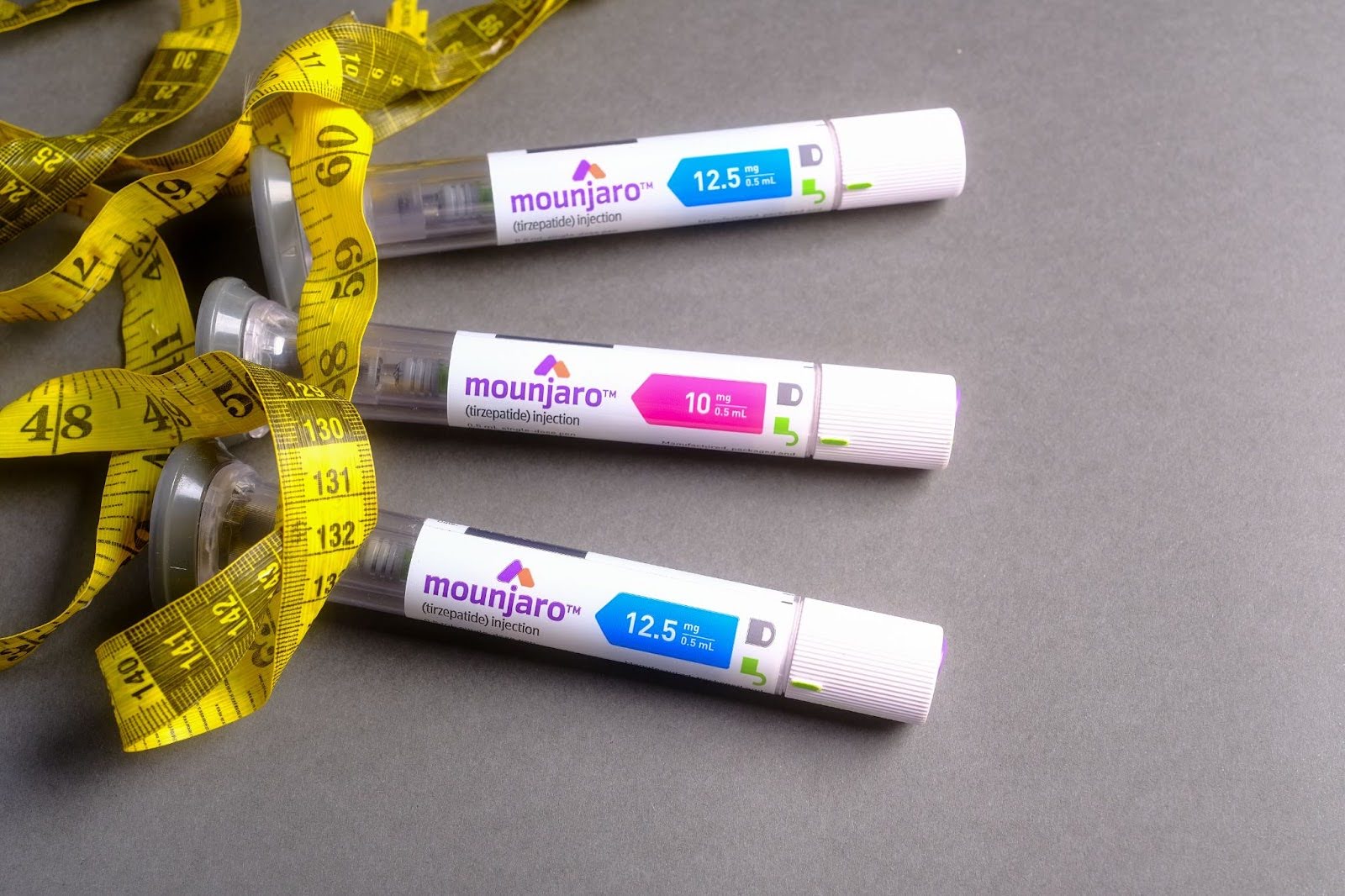
The question of how long does medical weight loss take to show noticeable results is a key question Unfortunately the answer is not that straightforward because several factors will play a part in the results. Generally, however, the weight loss achieved by combining lifestyle changes and medication is a gradual change. It may take months of staying consistent with lifestyle changes and medication to see significant weight loss. There may also be variation depending on factors such as the type of medication you are using, the starting weight, as well as any pre-existing medical conditions.
Many weight loss jabs have a defined length of time to take the treatment, for example around 6-12 months or longer if required. During treatment, you would be reviewed regularly to assess your response to treatment (e.g effectiveness, safety, side effects). Please note that the medical weight loss program length may vary depending on the type of medication and your personal circumstances, if you have questions specific to your situation, please consult your healthcare provider. You may also be referred to programs to support lifestyle changes. For example, a NHS weight management program may last for a few months to support you while on medication. There may also be follow up after stopping medication to try and help you maintain the changes from using the medication.
So how long can you stay on weight loss medication? The length of time you can stay on weight loss medication safely depends on a wide range of factors including your current health, your past medical history, your response to the weight loss medication, and the type of medication you are using. However, the key thing to note is that weight loss medication is intended to be a short-term treatment. Thus, it is important that you are monitored or reviewed regularly by a medical professional who can assess if it is still safe for you to use the weight loss medication. If it is assessed that you will need to stop the medication, you and your doctor can agree on a plan to stop the treatment safely.
As mentioned, while on medical weight loss treatment, you should be reviewed or monitored by your healthcare provider regularly. This is to assess response to treatment and plan for decisions such as when to stop medication. The goal is always to ensure that you are safe and that the benefits outweigh the risks of weight loss medication. Some factors that can affect the duration of weight loss treatment include:
| Factors | How this factor might affect decisions about treatment duration |
| How much weight someone has lost | For example, if someone has been using weight loss medication but they have not lost a significant amount of weight. Your healthcare provider may need to reassess the treatment plan. |
| If there were any side effects | Gastrointestinal side effects like nausea and diarrhoea are not uncommon side effects of weight loss jabs. However, if the side effects persist or become severe, your healthcare provider will need to change the treatment plan e.g stop the medication or change the dose. |
| Sustainability of lifestyle changes | If someone has made strong and stable lifestyle changes e.g improved nutrition, regular exercise, good habits, this may affect your healthcare provider’s approach to reducing or stopping medical weight loss treatment. |
| Individual factors and pre-existing medical conditions | If someone has any pre-existing medical conditions (e.g heart problems, type 2 diabetes, PCOS), then this may affect clinical decisions regarding the treatment plan. |
The effects of weight loss jabs are not permanent. So this means when you stop using an appetite-suppressant weight loss medication like Wegovy, your appetite and food cravings gradually come back. These changes can make it harder to maintain the weight post-medication. For medication like Orlistat, stopping treatment will mean your body goes back to normal fat absorption. This means that if you have not made sufficient lifestyle changes, you may regain the weight you lost.

So how long should patients take weight loss drugs? The decision to stop or reduce treatment is best discussed with your doctor. Some reasons why changes to the medical weight loss treatment include:
Overall, weight loss medication can be very effective when combined with strong lifestyle changes. Lifestyle changes are the key factor to lasting change. To see noticeable results, it may take months and you should be monitored or reviewed by your doctor regularly. This is to check whether the medication is effective and still safe for you. Here at Meds for Less, we aim for patient-centred treatment. If for some reason the weight loss medication may be unsafe or you have reached the end of the treatment course for the specific drug, then your doctor will agree on a plan with you to stop medication.