

Don’t I just put medication on a shelf or in some drawers at home? The storage of medicines might sound like a simple topic but it is actually quite important and a lot of people accidentally get it wrong. Improper storage of medication can mean they degrade faster or become contaminated. This can mean you are getting ineffective treatment or you risk getting side effects from the medication that is meant to help you. Additionally, there are safety concerns when you just put medication anywhere, notably children or pets can accidentally poison themselves by ingesting medication not meant for them. In this article, we talk about medicines storage at home and go through some tips on how to do this safely.
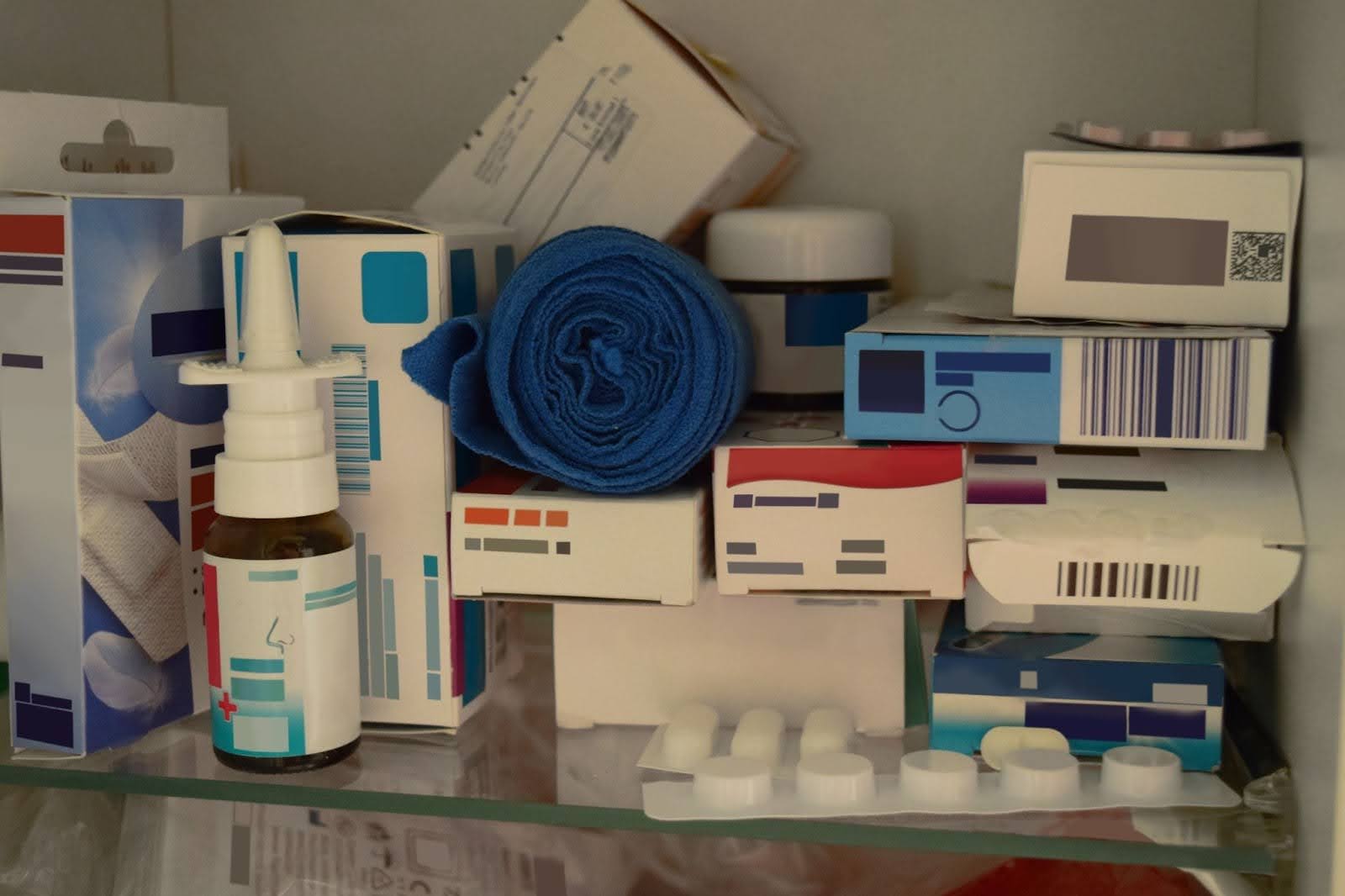
It is important to store your medication properly for many reasons. Most medication packages have instructions advising on how to store medication, if you have read any of them, you might note that they often say to store medication in a cool dry place. This is because moisture, heat, and light can degrade medication so they no longer work how they are meant to. Degradation of Meds for Less medications that are not stored properly can also mean they expire faster than the expected expiry date on the package. This can make your treatment less effective which can be risky if you have a condition that requires tight control. Additionally, there are safety issues to consider when you store any medication. Take care to keep it out of reach of children and pets who may take it accidentally and poison themselves.
To store your medication safely, here are some tips that might be helpful:
Let’s get into some more specific guidance on medication storage temperature. If you read the labels of many medications, the temperature storage guidance can be broadly split into two categories: room temperature and refrigeration.
When the drug storage label says to keep at room temperature, this typically means that the medication should be stored in a place with a stable temperature (somewhere that does not get very hot or very cold). Some medications might specify “store below 30 degrees celsius” or store in a cool dry place. Overall, you want to avoid storing medication in places with a lot of sunlight (e.g window sill) or places above radiators or cookers that can get very hot.
Other medication labels might specify that the medication must be kept in the fridge or at “2 to 8 degrees celsius”. Some examples of these include: certain insulins, some eye drops, or some liquid antibiotics. You are very unlikely to need to store any medication in the freezer as most medicines degrade under such low temperatures. Again, much like the advice on room temperature storage, you want to make sure that temperature remains relatively constant in the fridge. You might want to store medication in a clearly marked box or shelf instead of the door shelves where the temperature is more likely to fluctuate. Having a clearly marked space can also help prevent any confusion with food.
If you are unsure about where to store medicines at home, the instructions on the medication often advise on where you should keep each medication. However, as a general suggestion, let’s be more specific and go through some good locations to store medication and some places you should avoid:
| Recommended locations at home to store medication | Spaces you should avoid storing medication in at home |
| A lockable cupboard or a high cupboard in a cool, dry place. For example, you might find a suitable cupboard or space in the hallway or a bedroom.
If you do not have one, you might want to buy a box with a lock that you can clearly mark as a medication cupboard. This is especially if you have young children, vulnerable people, or pets at home. Some medications need to be refrigerated, you can put them in a clearly marked pharmaceutical storage box in the fridge. |
|

As there are so many different types or forms of medication, it makes sense that safe medication storage may vary slightly between the different forms of medication. The main forms of medications you might need to store at home are: tablets or capsules, liquid medicines, creams or ointments or eye drops, and inhalers and insulin.
Tablets or capsules usually come in a bottle or in a package with individual slots for each tablet/capsule. Keep the medication in this original packaging for easy identification and optimum storage. For safety reasons, you want to put medication out of reach of children and pets. Also, to reduce the risk of the medication from being contaminated and degrading, store in a place away from heat, moisture, and light.
These will usually come in a bottle, store the bottle upright and close the lid tightly. This can help to reduce the risk of leaks or contamination. Also, when it comes to liquid medicines, you should read the instructions label carefully to check if the medication needs to be stored in the fridge. Instructions to refrigerate medication are more likely in liquid medication compared to tablets or capsules. Another point to note is the difference between the expiry date and the number of days you can use the medication “once opened”, make a note of this as these are usually different.
To reduce the risk of contaminating creams, ointments, and eye drops, keep the container clean and upright, and close the lid tightly. Check the expiry date and the recommendations for how long it is safe to use the medication for once opened. Additionally, you should check if the medication needs to be refrigerated. Otherwise, follow the general principles of storing creams, ointments, and eye drops in a cool, dry place away from sunlight.
Inhalers and insulin are some of the most common long-term medication types where storage is very important. There is a large variety of insulin and inhaler types so make sure to read the instructions regarding the specific type of insulin or inhaler that you have been prescribed. For inhalers, make sure you clean the mouthpieces before and after every use and then keep the cap on when not in use. You should also take care to store your inhalers in a cool, dry place away from direct cold or heat.
For insulin medication storage temperature guidelines uk, many manufacturers specify that unopened insulin should be stored in the fridge (at around 2 to 8 degrees Celsius). However, once you are using it, insulin cartridges or pens can often be kept at room temperature for a certain period of time. Check the instruction leaflet on the insulin package for the timeframe for that specific product.
If upon checking the medication label you have realised that your medication has expired, do not try to assess if it might still be safe to take, NHS guidelines recommend that you do not use expired medication. This is because, past the expiry date, the manufacturer cannot ensure that the medication is still effective or safe to use. You might then want to go through your pharma storage or medication cupboard to check if other medications have expired; it is best to do this semi-regularly (e.g every few months). Then, take your expired medication to your local pharmacy, they can collect it and safely dispose of it for you.
You might think that storing medication safely may seem like an uncomplicated task. You may even wonder why there is a full article on it. However, storing medication inappropriately is actually fairly common mistake so it is worth highlighting some common mistakes in storing medication such as:
Hopefully you now have a better idea of how to store drugs. It is important to read the instructions on medication packaging carefully. The instructions may specify particular conditions for storing the medication (e.g store in a fridge) but overall it is advised that you keep medication in a cool, dry place away from sunlight and out of reach of children and pets. Also, you should check the expiry date and return any expired medicines to your local pharmacy for disposal.