

In the UK, medications are sold under different categories. Some can be Over the Counter (OTC) medications which can be easily purchased without a prescription while some require a prescription from a healthcare provider (Doctor, nurse or dentist) to be prescribed. These are the prescription only medications.
The different categories of medicines are to ensure patient safety, proper usage and dose regulation. Prescription medications, also known as Prescription Only medicines (POM) are used for more chronic, serious or long term conditions that may also require drug and dose monitoring. Over the Counter medicines are those that people can purchase with none to little supervision as these drugs are safer/ have less side effects for the general public.
The article below is to give you an overview of the different drug classifications in the UK, how they are classified, the key difference between classifications and when/ where each classification may be used.
At Meds For Less, we sell both Prescription (Rx) medicines and OTC medicines. Our prescriptions are sourced from our in-house GMC regulated GP’s who review your medication request based on your symptoms before approving it.
The prescription drugs definition is drugs that are pharmaceutical medications that require a formal, written authorisation from a healthcare professional, such asa doctor, dentist or nurse practitioner, to be legally dispensed (usually by a pharmacy).
Prescription drugs are medicines that can only be legally obtained in any country (including the UK) from a qualified healthcare professional (such as a doctor, dentist, or nurse prescriber). They are used when treatment with any medicine requires consistent medical supervision to ensure safety and effectiveness.
Prescription drugs are those which often are:
In the UK, the Medicines, Health and Healthcare products Regulatory Agency (MHRA) decides which medicines are safe, effective and high-quality and which need a prescription.
In this article, we cover the definition of over-the-counter drugs and what they are, as well as there general categories.
Over-the-counter (OTC) medicines are treatments which you can buy without a prescription in the UK. They are designed for safe and short-term use by the general public for minor and short-term health problems.
OTC medicines in the UK are also tightly regulated, just less tightly than prescription drugs are. They are approved and monitored by the MHRA and must meet standards for safety, quality and effectiveness. Clear dosing instructions and legal warnings on medicine packaging are given and should be closely followed when using these medicines to ensure their safe use.
OTC (non-prescription pharmaceuticals) medicines in the UK generally fall into 2 categories:
In the UK, medicines are divided into prescription and non-prescription drugs (over-the-counter drugs) based on how safe they are to use without medical supervision.
Prescription drugs need a clinician’s authorisation as they require medical oversight. Over-the-counter (OTC) drugs can be bought without a prescription for self-care or minor conditions.
Prescription medication can only be supplied to a user if prescribed by an appropriate healthcare professional (doctor, nurse or allied health professional). These medications may be stronger or higher risk, cause significant side effects or interact with other medicines. For this reason, they could require monitoring or tailored dosing. The safety and approval for these medicines is granted by the Medicines and Healthcare products Regulatory Agency (MHRA). Discretion to prescribe a certain medication lies with the individual prescriber.
Over-the Counter Medication can be bought without a prescription and are intended for short and safe use by the public when taken as directed. These medicines can either be part of a General Sales List (GSL) and be sold in shops and supermarkets or require a pharmacist (P) supervision. While the (P) supervision medications are not prescription medications, pharmacists do need to check age and dosage, screen for interactions and give safety advice before allowing consumers to purchase these medications.
The difference between Prescription and Over-the Counter Drugs matters because it allows effective treatment, prevents harm from misuse and helps reduce issues like antibiotic resistance.
In the UK, the legal classifications of medicines are done based on how safely they can be used without medical supervision.
Prescription medications (POM) can only be supplied through a valid prescription from an authorised prescriber (GP, nurse, hospital doctor, dentist or prescriber pharmacist). These medicines are restricted for reasons such as:
Prescription medicines can be dispensed in the UK through the National Health Service (NHS) or private prescribers (such as Meds for Less).
Below is an overview to help you understand the OTC medications meaning and classifications.
Over the Counter (OTC) medicines can be split into the classifications (GSL) or (P).
GSL medications are General sale’s list medications that are considered safe to be sold in supermarkets or shops without pharmacist supervision. Dosing and guidance is generally given on the packaging and expected to be followed.
P medications require pharmacy oversight. This is important to check check suitability and dosing for consumers and screen for interactions and red-flag as well as ensure short-term appropriate use..
Some medications can change categories from POM to P (OTC) to GSL (OTC).
Choosing between prescription (Rx) Medications or OTC medicines is a choice that depends on the severity of your symptoms, the duration of your symptoms, nature of your condition and whether monitoring would be needed with medicines.
If symptoms are mild-to-moderate, have only lasted for a few days, stable and improving or familiar/ previously diagnosed; then it might be best to take OTC medications. Common OTC uses for medicines include:
There are times when prescription medications (Rx) would be more appropriate. These include:
These situations include:
There are cases in which someone may experience red-flag symptoms. In these cases, you mustn’t do self medicate and seek professional medical help. In these cases, please call NHS 111 or attend Accident and Emergency:
Using the right medication route at the right time helps avoid treatment delays, reduces side effects and drug interactions and keeps medicines effective for the right condition.
In the UK, non-prescription OTC medicines (Figure 1) are often all that is needed for mild, short-term symptoms that improve rapidly.
The following are situations where OTC use is often enough:
OTC (Non-pharmaceuticals) may not be enough in situations such as:
In these cases, please seek medical help as soon as possible.
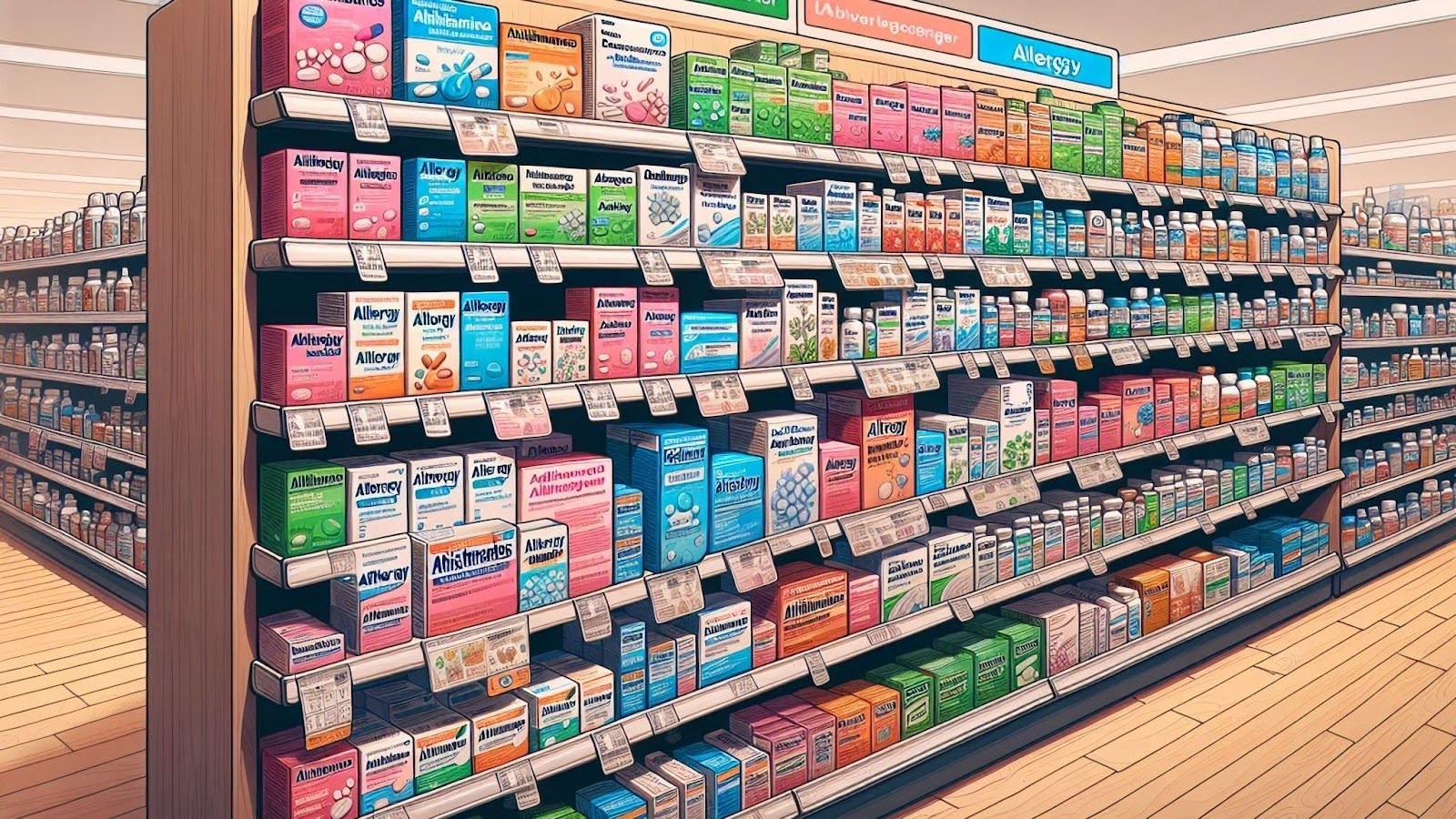
Figure 1: OTC medicine meaning and how they can be sold in pharmacies or supermarkets
If you’re asking questions such as “What is prescription drugs ?” or “When should I use them?”, then this article is for you.
In the UK, prescription medications may be needed in situations when a condition can’t be safely and effectively treated by OTC medications or when medical assessment and monitoring are required.
The following situations are ones where prescription medications would be very useful:
Using medicines safely, whether Rx or OTC, helps you get the best benefit from these medicines with the least/ without harm. These core rules apply to over-the-counter and prescription drugs across the UK.
Universal safety rules for all (over the counter medicine and prescription medicine) drugs in the UK:
Specific rules for OTC Medications:
Specific rules for prescription medications:
All medicines in the UK are strictly regulated to ensure safety, quality and effectiveness. This is done through the Medicines and Healthcare Regulatory Agency (MHRA) on a central level. Prescribing to patients on an individual level is done by individual healthcare professionals (doctors, nurses, pharmacist prescribers or dentists).
In the UK, medicines fall into 3 categories: Prescription Only Medicines (POM), Pharmacy-regulated Over the Counter Medicines (P) or General Sale’s List Over the Counter Medicines (GSL).
POM (Figure 2) medications require a formal prescription (written or electronic) from a formal prescriber and are reserved for conditions which require medical supervision to treat. Examples include antibiotics, antidepressants or blood pressure medications.
These prescription medications are generally prescribed when a condition is serious, complex or chronic. Dosing must be individualised and monitoring of the patient is required. With these medications, there is a higher risk of side effects and interactions; therefore, it is important to take them as prescribed and complete the full course of the medication.
Over-the-counter medications, such as pharmacist supervision (P) medicines or General Sales List (GSL) medicines are designed for self care of minor or short-term conditions. They are appropriate when symptoms are mild, short lived or familiar and improving.
With (P) only medications, no prescription is required, but these medicines (despite being over the counter) can only be supplied under pharmacist supervision. Examples of these medicines include emergency contraception, stronger antihistamines, and certain migraine and reflux treatments.
General sales list Over the Counter medications can and are sold in pharmacies, supermarkets and shops. These medicines are safe for self-selection when used as directed. Examples include low dose paracetamol, low-dose ibuprofen, antacids and simple cough/ cold remedies.
There are times when medicines can be moved from Prescription classification to OTC classification, either under the general sales list (GSL) or Pharmacist Supervision (P). This happens when there is long-term data indicating safe usage, condition is easy to self recognise, low doses are effective and there is a low misuse risk.

Figure 2: What are Rx drugs and how do pharmacies regulate prescription only medications
The core differences between an Over the Counter (OTC) medicine and a Prescription medicine is that OTC medicines are for mild, short term conditions and can be bought without a prescription. Prescription medications (Rx/POM) are for serious, persistent or complex conditions and require medical oversight.
OTC medications are not all automatically safer but they are generally more docile, more tolerable and have less side effects. Prescription medicines often tend to be safer for the right and specific conditions as they are properly dosed, monitored and reviewed for side effects and interactions.
In the UK, medication classification matters. POM medications mean medicines are prescription only, (P) medicines mean while it is an OTC medication, a pharmacy check is required and GSL medications are OTC medications which can be bought in shops and supermarkets.
If you are unsure which medication to take for your symptoms or are concerned about drug interactions, please speak to your pharmacist and they can clarify on drug classifications as well as interactions. They can also let you know when to see a GP or hospital doctor about your symptoms to get appropriately treated.