

It might be surprising that the different colours of the inhalers do mean something. The blue one is usually the reliever inhaler and the brown/red/pink one is usually the preventer inhaler. Read on as we discuss the differences between the preventer and reliever inhaler including how they work and how to use them. Follow this link for more information on Asthma and COPD Medications.
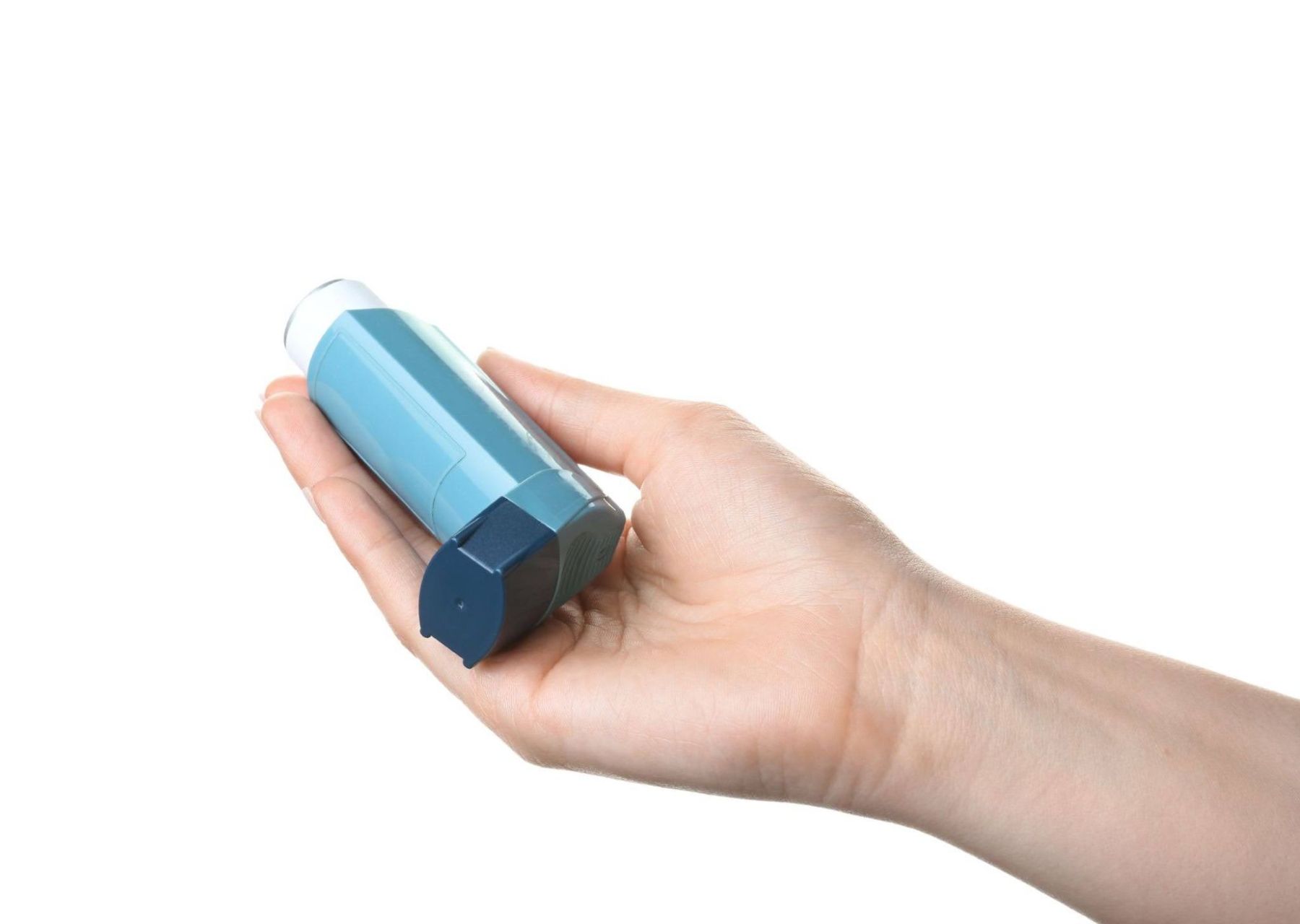
If they are both inhalers, what is the difference between preventer and reliever inhalers? While they are both inhalers, there are actually quite a few differences between these types of inhalers from the medication inside the inhaler, the way they work, and even how they look. Let’s go through this in a table:
| Preventer inhaler(the brown, orange, or red inhaler) | Reliever Inhaler(the blue inhaler) | |
| What is the goal of this inhaler? | As the name might suggest, a preventer inhaler aims to try and prevent worsening of the lung condition. Think of it as building a shield or long-term protection. | As the name might suggest, a reliever inhaler provides quick relief when symptoms suddenly or acutely get worse. |
| How does the inhaler work to manage my lung problem? | The preventer inhaler usually has an anti-inflammation action which decreases the swelling, mucus, and over-sensitivity of the airways. | The reliever inhaler relaxes the tightness of muscles in the airways that can lead to feelings of chest tightness or difficulty breathing. |
| How do you take this type of inhaler? | Usually, a preventer inhaler is prescribed to be taken every day, even if you don’t feel any symptoms. | A reliever inhaler is only used when you need it. For example, when you suddenly feel like it is difficult to breathe. |
| How quickly can you feel the effects of this type of inhaler? | The effects are felt quite slowly (days to weeks of using the inhaler consistently) as the goal of a preventer inhaler is to help with long-term management of a lung condition. | The effects should be felt very quickly (usually under 5 minutes) to help manage breathing problems. |
| What is the medication inside this inhaler type? | Usually Inhaled Corticosteroids (ICS)e.g Beclometasone, Fluticasone | Usually Beta2 Agonists (SABA)e.g Salbutamol, Terbutaline |
What is a preventer inhaler? A preventer inhaler is a device that delivers medication to the affected areas of the lung and aims to address the underlying problems associated with the lung condition. Thus the action of the preventer inhaler is usually slow and effects might only be felt after weeks of consistent use. This is the opposite of the reliever inhaler which quickly relieves acute symptoms. The preventer inhalers are usually brown, orange, or pink in colour and contain inhaled corticosteroids (e.g beclometsone dipropionate, budesonide, fluticasone etc.).
So what does a preventer inhaler do? The main way a preventer inhaler works is to target the underlying inflammation in the tissues of the airways. The inhaled corticosteroids have anti-inflammatory effects which can directly act on inflamed lung tissue. By doing this, the swelling and the overproduction of mucus can be reduced and thus it reduces the progressive narrowing of airways. The preventer inhaler can also decrease the airway muscle’s sensitivity to triggers in the environment such as cold air or pollen. Hence, this type of inhaler is taken even when you feel fine and have no symptoms.
So what is a preventer inhaler used for? Preventer inhalers are mainly used for the long-term management of lung conditions such as asthma and chronic obstructive pulmonary disease (COPD).
It may surprise you to know that many treatment regimes using preventer inhalers fail because people are not using their inhaler correctly. Also, incorrect inhaler technique can increase your risk of side effects such as a fungal infection in the mouth. If you are using a pressurised metered-dose preventer inhaler, here is a step by step guide of how to use a preventer inhaler:
How long does it take for a preventer inhaler to work? It may require some patience because the preventer inhaler is not meant to work quickly. Preventer inhalers aim to address underlying problems such as chronic inflammation, airway hypersensitivity, and overproduction of mucus. Hence, the medical effect of the preventer inhaler may need weeks of consistent use before it can be felt. It is important to continue using the preventer inhaler as prescribed even if you feel completely fine, otherwise it will not work as intended.
So what is a reliever inhaler? A reliever inhaler is a “rescue” inhaler; this treatment works quickly to relieve symptoms of breathlessness or chest tightness. The most common medication it contains is salbutamol (also known as Ventolin) which can rapidly relax the muscles in the airways of the lung. Typically, the reliever inhaler is blue in colour and is used “as needed” rather than every day. Some common side effects of the reliever inhaler are muscle tremors (usually the hands) and a racing heart rate. These are usually temporary but it is best to be aware of such side effects so you are not surprised if you have this experience after using a reliever inhaler.
Contrary to preventer inhalers, reliever inhalers are used ‘as needed’ because they are designed to provide symptomatic relief rather than maintenance or longer-term management. For example, if someone with asthma starts to experience breathlessness and chest tightness, they can take a puff of their reliever inhaler. Reliever inhalers can also be taken in preparation for something, for example 10 minutes before exercise someone can take a puff of the reliever.
If you are experiencing a flare-up of symptoms, you will need to use your reliever inhaler. Maintaining good inhaler technique while you are struggling with chest tightness and shortness of breath can understandably be very difficult. Hence it is advised that you familiarise yourself with what to do so that you can get the maximal benefit from a reliever inhaler for asthma. Here is a general guide:
If your symptoms do not resolve after 10 puffs, you are in severe respiratory distress (e.g you are struggling to speak), or you have previously needed hospital admission for your lung condition, you must call 999 and get emergency medical attention.
Let’s outline the key differences between preventer and reliever inhalers. Here at Meds for Less we believe in supporting people to learn more about their health to make informed choices, follow this link to learn more about different inhalers including the different devices.
| Preventer | Reliever | |
| Purpose | To reduce chronic inflammation of the airways and improve (or preserve) lung function long-term. | To rapidly relax the muscles of the airways to relieve symptoms of breathlessness and chest tightness. |
| How quickly does it work? | Slowly–you may only feel the effects of the preventer after a few weeks of consistently using it. | Quickly–the effects are felt within 5 minutes of using the inhaler. |
| When is it used? | Long-term management or maintenance therapy for asthma or COPD. | Used as needed e.g acute symptoms or before known environmental triggers e.g pollen. |
| How often do you use it? | Preventers are used every day. | Relievers are used as needed. Using the reliever inhaler regularly (e.g 3 times a week) can mean that your lung condition is not under control. |
| Immediate symptom relief? | No, the preventer inhaler cannot help reduce your symptoms during an acute flare of symptoms. | Yes, the reliever is designed to help stop acute respiratory symptoms. |
Yes, preventer and reliever inhalers can be used together and are often prescribed together as part of a long-term management plan for asthma and COPD. Combining the anti-inflammatory effects of the preventer and the rapid symptom reduction of the reliever inhaler is a highly effective combination. In fact, new clinical guidance on asthma is moving towards using a combined preventer and reliever inhaler as the first-line treatment. If you are experiencing an acute episode of asthma or COPD, you must use the reliever first to tackle the acute symptoms before you move on to the preventer.

If you are relying too much on your reliever inhaler, this could mean your lung condition is not under control. Statistics suggest that there is an increased risk of severe asthma attacks needing hospital admission or fatal outcomes. Hence, it is crucial that the symptoms and underlying inflammation is well managed. Some signs of over-reliance on reliever inhalers include:
Incorrect inhaler technique can mean the treatment does not work properly as not enough of the medication is getting to the affected airways. This can be dangerous as it increases the risk of side effects and severe outcomes. If you are not sure about your inhaler technique, have it checked by a clinician. In the meantime, look out for these common mistakes:
If you have asthma or COPD, you should be getting regular reviews with your clinician anyways. This is important to check whether your condition is well controlled or if any changes to management need to be made. There are some other circumstances where you may want to consult your doctor/pharmacist/nurse outside of these regular reviews. For example: