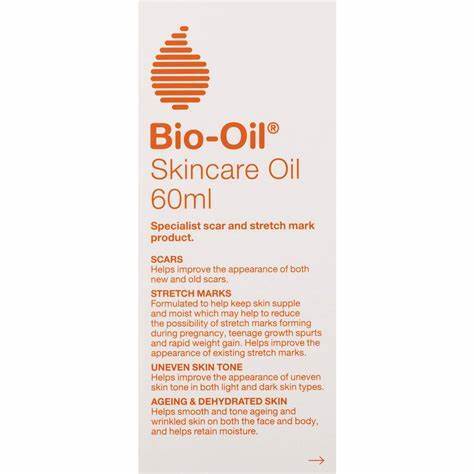
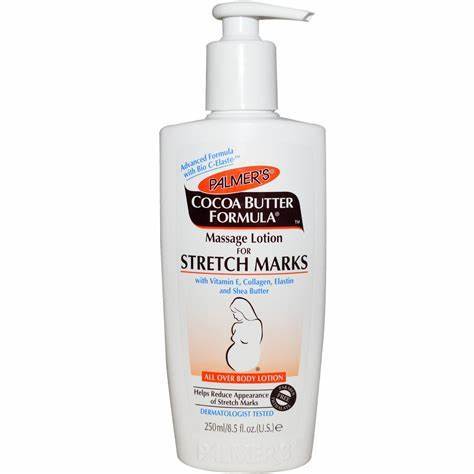
Scar and cellulite are common chronic skin conditions that can affect the appearance of many people. Both conditions have different causes, concerns, presentations and treatment options.
The treatment option of choice for both conditions are topical creams, bio-oils and lotions to help the skin renew and regenerate.
At Meds For Less you can find a scar med and a med for cellulite of your choice. You can order these medicines to your home address within 24 hours easily, conveniently and reliably from our website.
Scars and cellulite are common skin conditions that affect many people, but they are quite different in their causes, appearances, concerns and treatment options. The following is a breakdown of both conditions.
Scares are areas of fibrous tissue that replace normal skin after an injury, sugery or skin conditions (like acne or burns). Scars form as the body heals the damaged skin, resulting in a thickened or discoloured area.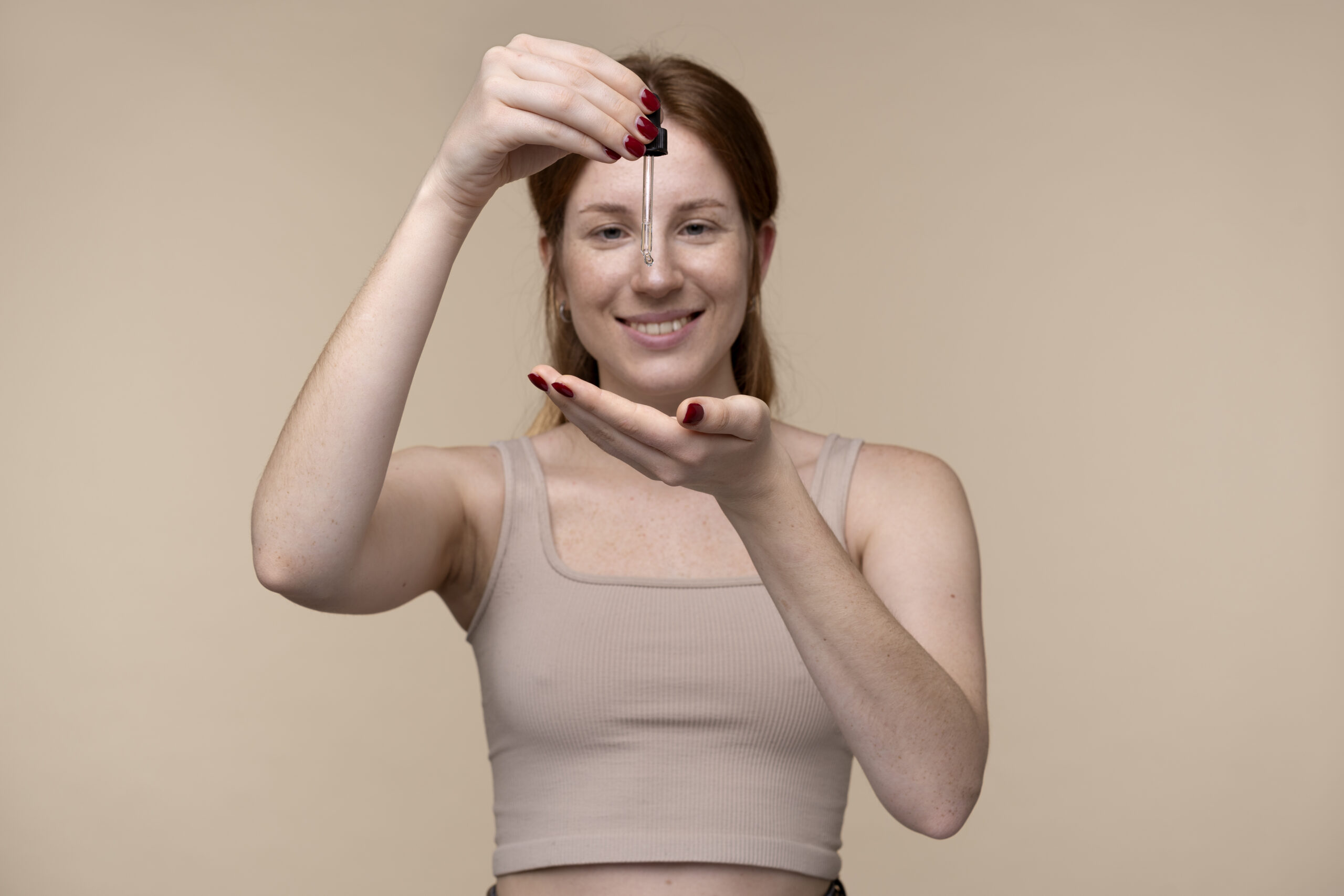
There are different types of scars such as:
Causes of scars include:
Some of the common concerns with scars include:
Cellulite is a dimpled or lumpy skin condition that commonly occurs on the thighs, buttocks or abdomen. This occur when fat deposits push the connective tissue beneath the skin and create a bumpy texture
Causes of cellulite include:
Concerns with cellulite include:
Both scars and cellulite are able to be treated with topical creams, massage therapies and laser therapy (in specific cases). Scars and cellulite also have their own individual treatments. At Meds For Less, we have efficient scar medicine and other med for cellulite, to help treat these conditions.
Treatment for scars and cellulite varies depending on the severity, condition subtype, and desired outcome. Below is a breakdown of some scar medicine and medications cellulite and how they work.
Treatment for scars:
| Treatment type | Options | How it works / Benefits |
|
Topical treatments |
Silicone sheets/gels | flatten and soften scars, particularly raised scars such as keloid or hypertrophic scars |
| Corticosteroid creams | to reduce inflammation and improve the appearance of hypertrophic or keloid scars | |
| Retinoids (tretinoin) | help with acne scars by promoting skin cell turnover and reducing discolouration | |
| Vitamin E or C creams | can improve skin healing and lighten scars, however the effectiveness varies. | |
|
Injection-based treatments |
Corticosteroid injections | flatten and soften raised scars like hypertrophic or keloid scars |
| Dermal fillers | can fill sunken scars (such as acne scars) for a smoother appearance | |
| Collagen stimulating injections | can help with collagen production to improve scar texture overtime | |
| Surgical treatments or laser therapy | Laser therapy / surgical procedures | May be used for more intense or serious scars to improve skin texture and reduce visible scarring |
Treatment for cellulite:
| Treatment type | Options | How it works / Benefits |
|
Topical treatments |
Caffeine-based creams | tighten the skin by improving circulation and reducing water retention |
| Retinol-based creams | to strengthen skin elasticity and improve thickness | |
| Aminophylline-based creams | reduce fat cells although these results are typically short term | |
|
Massage and manual therapies |
Mechanical massagers such as LPG treatment | use rollers and suction to improve blood flow and reduce cellulite temporarily |
| Manual lymphatic drainage | uses gentle massage to reduce fluid retention and make cellulite less noticeable | |
| Minimally invasive treatments | Laser or radiofrequency treatments, ultrasound therapy, microneedling with radiofrequency | all procedures that can be used for severe cellulite |
Both scars and cellulite can significantly affect self-esteem and confidence but various treatment options can be used to address these concerns. The choice of treatment depends on the severity of the condition, location of the condition and personal preferences.
Both scar medication and med for cellulite can benefit people who are looking to improve the texture and appearance of their skin. Scar medicine is often used by individuals with acne scars, surgical scars, burn marks or scars caused by injury or stretch marks. These medications work by hydrating scar tissue, stimulating collagen production, and reducing thickness or discolouration.
Similarly, medications cellulite are suited for people who notice dimpled or lumpy skin on the thighs, buttocks or abdomen, especially after weight changes, hormonal shifts or with age-related loss of skin elasticity. Understanding your individual skin concerns helps you choose the most appropriate treatment and achieve more visible results.
The time it takes for scar medicine to deliver noticeable results depends on the severity and type of scar. Topical scar gels, silicone sheets, and retinoid-based creams may show improvements in texture and colour after several weeks to months of consistent daily use. For deeper or raised scars, effects may take longer and can be enhanced with combined therapies.
For medications cellulite such as caffeine-based creams or retinol formulations, temporary tightening and reduced visibility of dimpling can be seen within a few weeks, but significant and sustained improvement usually requires regular use over several weeks. In all cases, patience and consistency with the treatment regimen are key to achieving the best outcome.
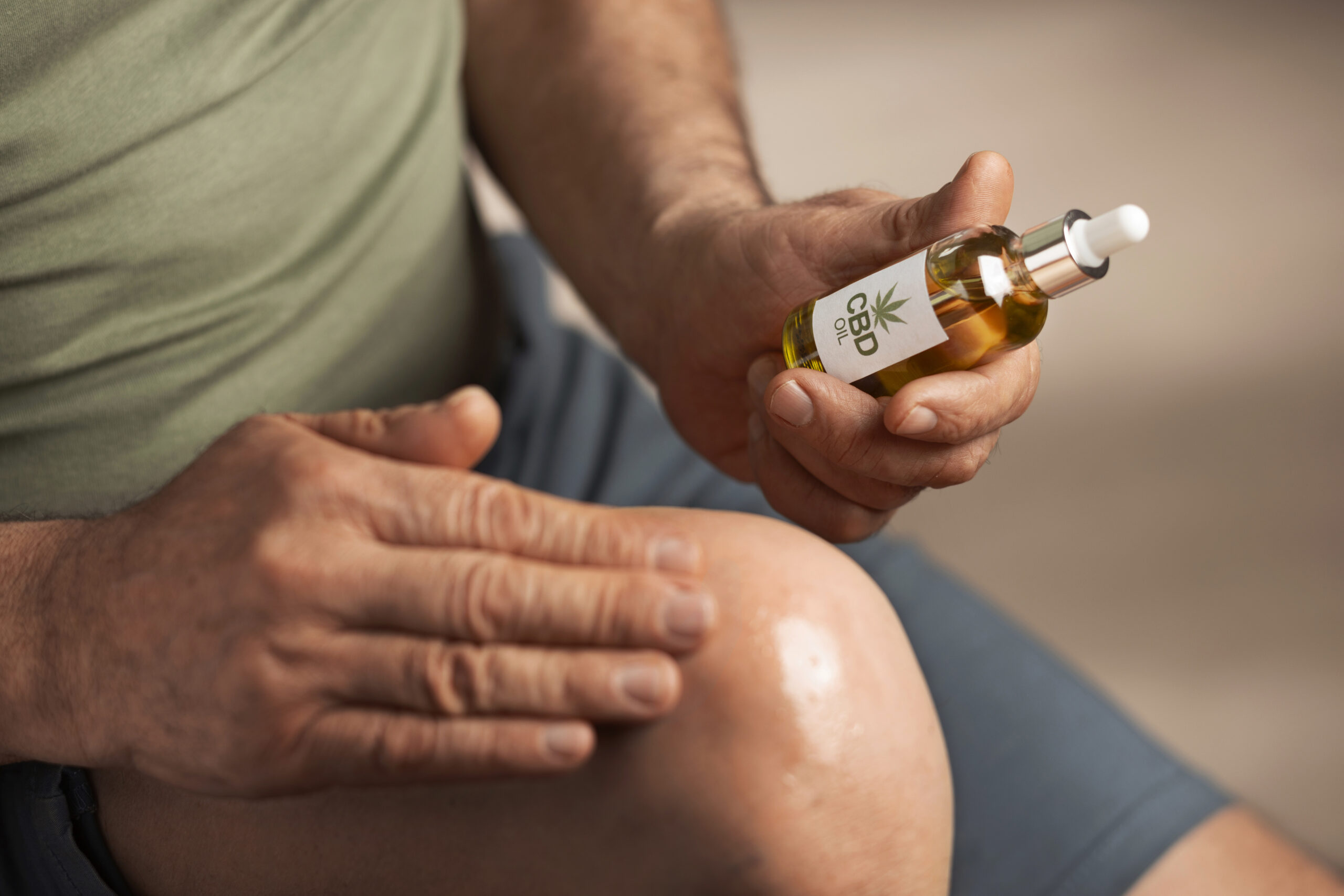 Scar medication and medicine to reduce scars help renew the skin by stimulating collagen production and minimizing pigmentation. Med for cellulite, including topical and injection-based treatments, target fat cells and improve circulation, which helps reduce the appearance of dimples and tighten the skin.
Medications, both prescription and over- the- counter (OTC) can play a significant role in improving skin appearance by addressing concerns of scars and cellulite by targeting the underlying cause and improving the skin’s texture, tone and elasticity.
Medications for scars
Medication for cellulitis:
Medications for scars and cellulite by enhancing skin healing, reduce inflammation and promoting collagen production, this helps improve texture and minimise discoloration.
The effectiveness of medications for scars and cellulite often depend on their active ingredients. These ingredients work to improve the texture of skin, appearance and underlying structure of skin.
Scars vary in type and the treatment ingredients are tailored to address specific scar concerns.
Cellulite is caused by fat deposits pushing against fibrous connective tissues, this results in dimpling. Key ingredients in cellulite medication promote fat breakdown, skin elasticity and collagen production.
Choosing the right product for your skin concerns such as scars or cellulite involves understanding factors such as your skin type. the nature of the issues and the active ingredients that can help you address them. Here are some tips to help guide you into choosing the right product for your skincare needs.
Understand your skin type and its needs:
Know your concerns and what you’re treating for:
Scars (Hypertrophic, burn or Keloid)
Cellulite
Patch test new products:
Always test a new product on a small, inconspicuous area of skin to check for irritation or allergic reactions
Use skin products you choose consistently, apply as per instructions and use consistently for a while to see visible results.
Using scar and cellulite medications effectively involves understanding the product’s ingredients, following the proper application techniques and being consistent with their use.
Scar medication
Cellulite medications
At Meds For Less, you can conveniently buy scar med, med for cellulite, and a range of effective scar medication and medications cellulite online with fast UK delivery. Our products are sourced from trusted suppliers and designed to help improve skin texture, reduce the appearance of scars and smooth dimpling caused by cellulite.
Ordering your treatments online allows you to access quality skin solutions discreetly, with professional guidance and reliable delivery straight to your door. Whether you’re targeting acne scars, surgical marks, or persistent cellulite, our online selection makes it easy to find the right treatment for your needs.