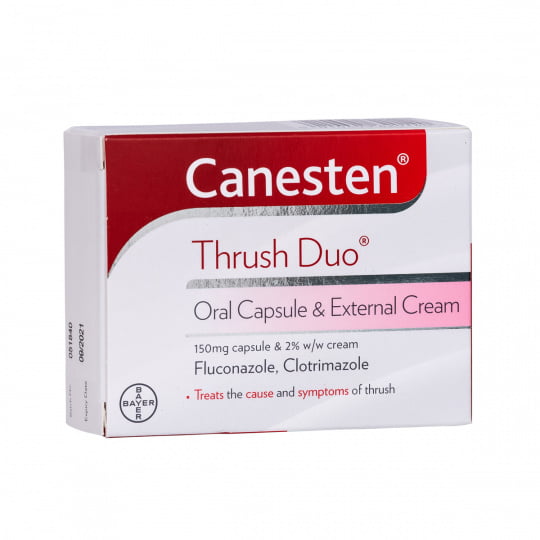
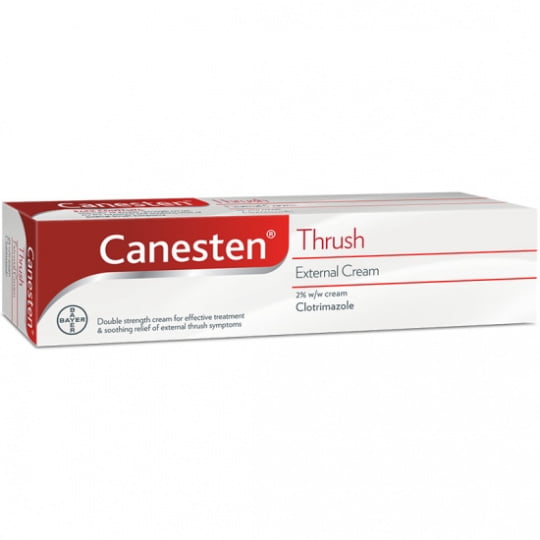
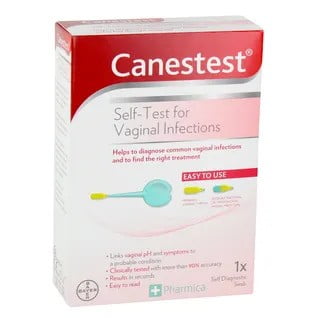
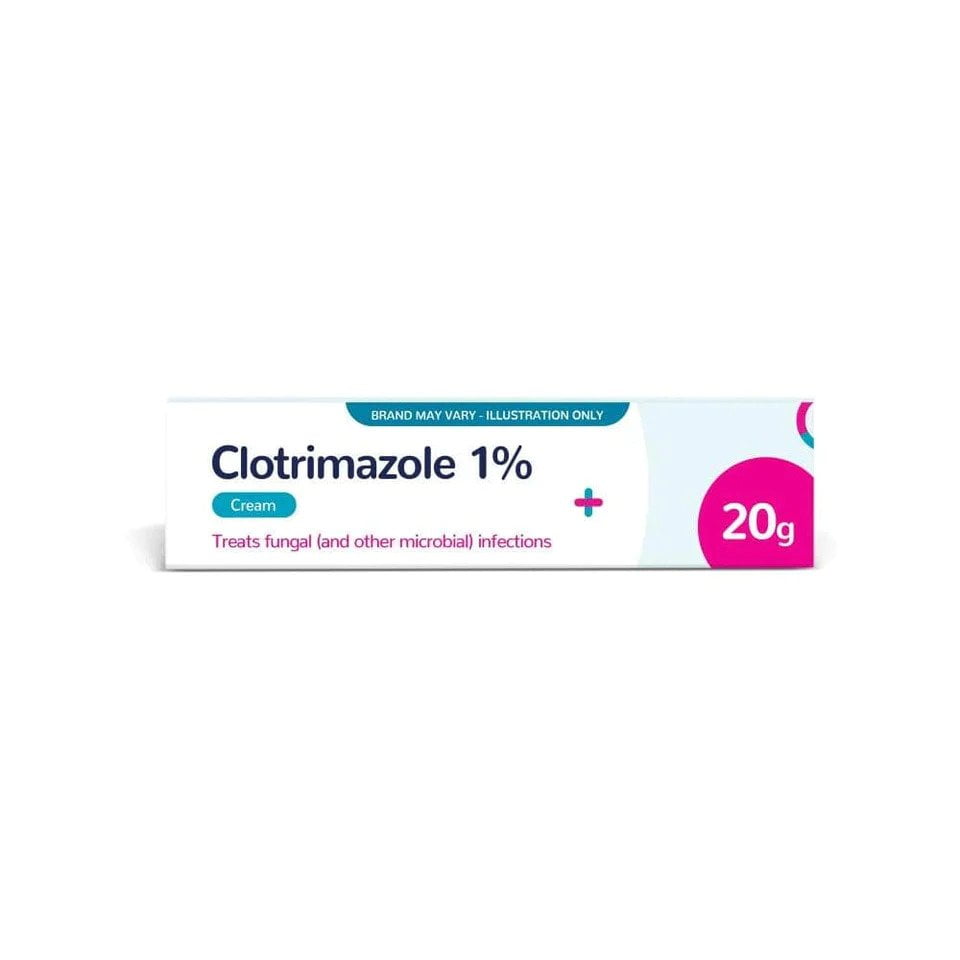
Thrush, also known as candidiasis, is a common fungal infection caused by the overgrowth of Candida albicans. It can manifest in various parts of the body, including the mouth, throat, skin, and genital area. Symptoms of thrush may include white patches in the mouth or on the tongue, soreness and redness, itching or discomfort in the genital area, and difficulty swallowing or speaking.
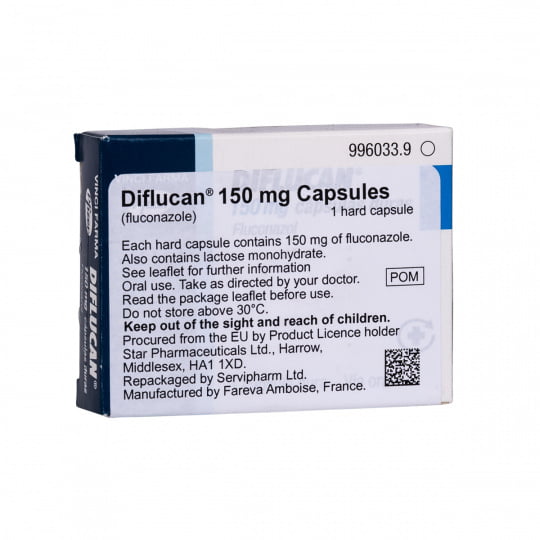
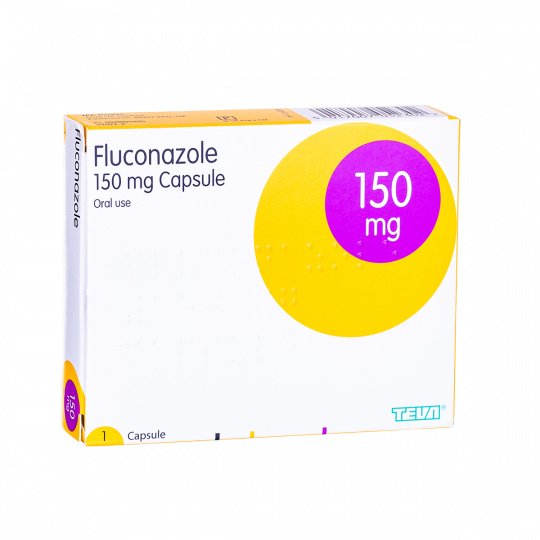
Our extensive range of medications includes Diflucan, Clotrimazole 1 cream, Nystan (Nystatin oral suspension), and Fluconazole 150mg, all of which are effective in treating thrush. Buy fluconazole and Diflucan for thrush, which work by inhibiting the growth of the fungus, while buy Clotrimazole cream and buy nystatin, act by disrupting the cell membranes of the fungus, ultimately leading to its demise.
Additionally, our informative blogs, such as “How does fluconazole treat thrush and other conditions” and “What is vaginal thrush?”, provide valuable insights into these conditions and their management.
It’s crucial to differentiate between thrush, bacterial vaginosis, and chlamydia to ensure appropriate treatment. While these conditions can cause vaginal discomfort and have similar symptoms, they have different underlying causes. If you’re unsure about your symptoms, we encourage you to visit our bacterial vaginosis section and our chlamydia section for detailed information.
At MedsForLess, we prioritize your health and well-being. Trust us to provide you with reliable medications and resources to effectively manage thrush and other health concerns. Visit us today and experience the convenience of quality healthcare at affordable prices.
The symptoms of a yeast infection can vary depending on the affected area and individual factors. Many women experience intense itching, irritation, soreness, and a thick white discharge, which explains why queries around thrush women treat are so common. Discomfort during urination or sexual intercourse is also frequently reported.
In men, symptoms may include redness, swelling, cracked skin, burning sensations, or soreness of the head of the penis or foreskin. Although symptoms can appear mild initially, untreated infections may worsen over time and lead to recurrent episodes.
Thrush develops when the natural balance of microorganisms in the body is disrupted, allowing Candida to multiply. This imbalance may occur after taking antibiotics, during periods of hormonal change such as pregnancy, or when blood sugar levels are poorly controlled in diabetes.
Other factors such as stress, weakened immunity, tight synthetic clothing, or prolonged moisture can create an environment that promotes fungal growth. Understanding the underlying cause helps determine which meds for thrush are most appropriate.
A wide range of thrush meds is available to help manage fungal infections effectively. Different treatments are designed to relieve symptoms such as itching, irritation, soreness, and unusual discharge. Depending on the type and severity of the infection, medication to treat thrush may include oral capsules, creams, pessaries, or liquid antifungal treatments.
| Type of Treatment | How It Helps | Common Examples |
| Oral antifungal tablets | Help treat fungal infections from within the body and are often used for fast, convenient treatment | Fluconazole, Diflucan |
| Antifungal creams | Help relieve external itching, redness, and irritation caused by thrush | Clotrimazole cream |
| Vaginal pessaries | Deliver antifungal medication directly to the affected area | Clotrimazole pessaries |
| Oral suspensions and gels | Commonly used for oral thrush infections affecting the mouth and tongue | Nystatin oral suspension |
| Combination treatments | Include both internal and external treatment to provide more complete symptom relief | Dual-action thrush treatment packs |
Popular meds for thrush such as fluconazole, clotrimazole, and nystatin remain among the most commonly recommended antifungal treatments. These medications work by stopping fungal growth or damaging the fungal cell membrane, helping the body clear the infection naturally.
When choosing medication to treat thrush, it is important to consider factors such as symptom severity, previous infections, pregnancy, allergies, and any medications you may already be taking. While many thrush meds are available over the counter, persistent or recurrent infections should always be assessed by a healthcare professional.
Most antifungal treatments begin working within a few days, although completing the full recommended course is important to help prevent the infection from returning.
Recurrent or severe infections often require prescription medication to treat thrush under medical supervision. This is particularly important when symptoms do not improve with standard treatments or return frequently. In these cases, longer treatment courses or higher-strength antifungal therapy may be necessary to fully clear the infection.
Using prescription medications to treat thrush ensures the infection is treated thoroughly and reduces the risk of resistance or complications, especially in people with underlying health conditions.
Like all medicines, antifungal treatments may cause side effects, although these are generally mild. Common reactions include nausea, stomach discomfort, headache, or mild skin irritation when using creams.
Oral tablets used as medication to treat thrush may sometimes cause tiredness, dizziness, or temporary taste disturbance. Rarely, allergic reactions or liver-related effects can occur, especially after repeated courses of prescription medication to treat thrush. Any unusual symptoms should be reviewed by a healthcare professional.
Medical advice is recommended if symptoms are severe, do not improve after treatment, or return frequently. Pregnant women, individuals with diabetes, or people with weakened immune systems often need tailored meds to treat thrush and closer monitoring.
Persistent or worsening symptoms may indicate an alternative diagnosis, mixed infection, or resistance to standard therapy, and may require prescription medication to treat thrush rather than over-the-counter options.
You can order trusted thrush meds and tablets online in the UK following an appropriate medical assessment. This allows access to reliable meds to treat thrush supplied by a UK-registered pharmacy.
Online ordering offers discreet delivery, transparent pricing, and professional guidance, ensuring the selected medication to treat thrush is appropriate for your symptoms, medical history, and any existing health conditions.