

Calcium often gets more attention when it comes to bone health, but vitamin D is just as important. It helps the body absorb calcium and supports the formation and maintenance of strong, healthy bones. Without enough vitamin D, bones can become weaker, increasing the risk of conditions such as rickets in children, osteomalacia in adults and osteoporosis in older adults. In this Meds For Less article, we explain the role of vitamin D in bone health, how it supports bone healing and how to maintain adequate vitamin D levels.
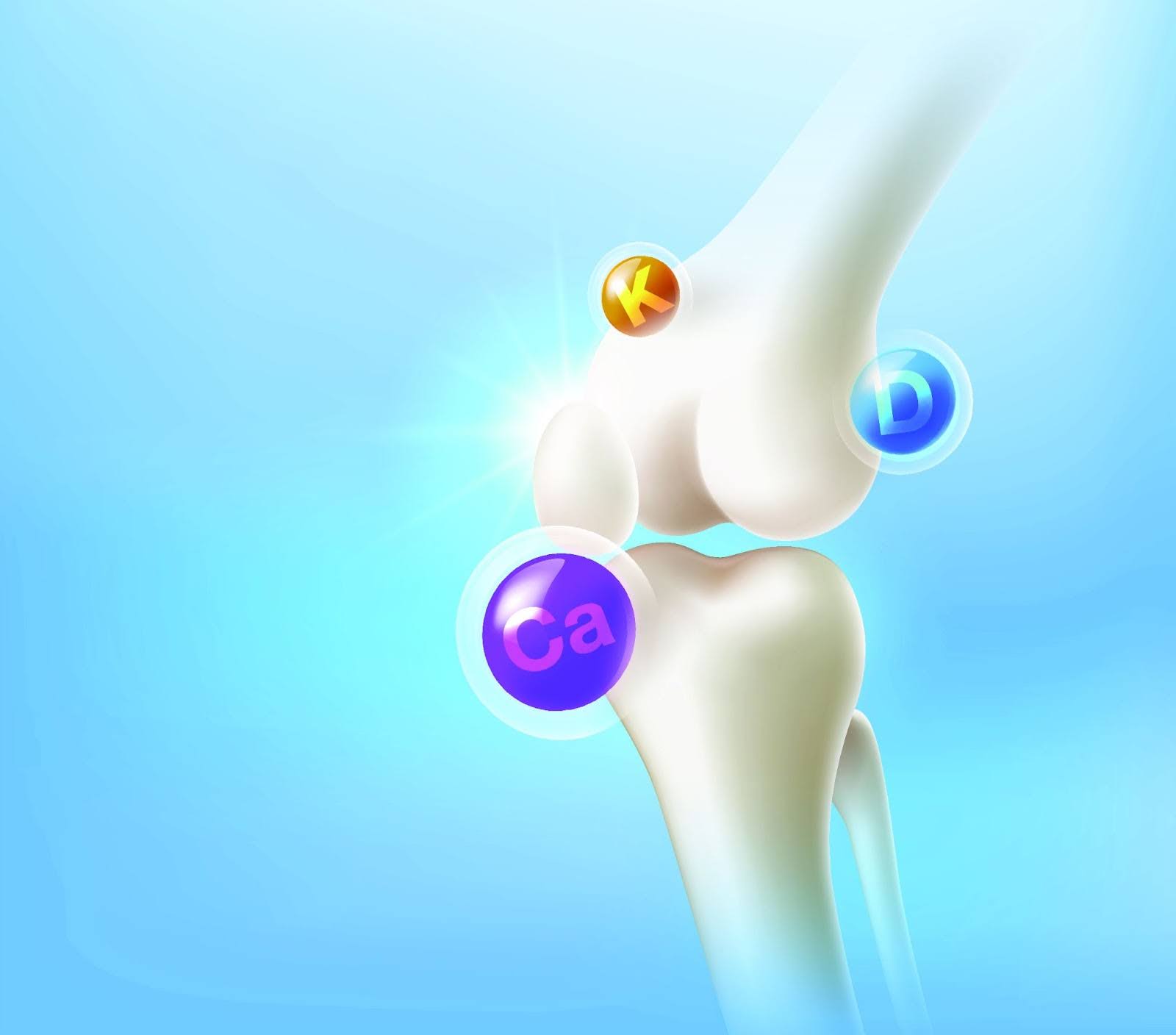
To understand why vitamin D matters for bone health, it helps to first look at how it works in the body. Vitamin D is crucial for maintaining strong bones as well as calcium absorption in your gut. If we are deficient in Vitamin D, our bones can become weak, thin, or deformed. You can get Vitamin D naturally when your skin is exposed to the sun, as well as some foods such as fatty fish (e.g salmon, mackerel) or egg yolks. So how exactly does this vitamin work in the body to support our bones? Well for starters, Vitamin D supports the activity of cells that build new bone. Additionally, it helps to absorb calcium. Having enough calcium in your body means the process of bone mineralisation (strengthening and maintaining the bone density) can occur.
Maintaining adequate vitamin D levels is important for strong, healthy bones. Vitamin D deficiency is associated with a higher risk of fractures and can contribute to bone disorders such as rickets in children and osteomalacia in adults. The body needs vitamin D to support cells involved in new bone formation and to absorb calcium, which helps maintain bone strength.
Calcium is a key mineral for bone structure and strength, and vitamin D helps the body absorb it from the gut. If too little calcium is absorbed, the body may draw calcium from bone to maintain normal blood calcium levels. Vitamin D deficiency can also disrupt normal bone mineralisation and new bone formation, making it harder to maintain strong, dense bones.
Vitamin D supports normal calcium and phosphate balance and bone mineralisation, which are important during fracture recovery or after surgery. Low vitamin D levels have been associated with poorer outcomes in some studies, but evidence that vitamin D supplementation directly speeds fracture healing remains limited. During recovery, vitamin D contributes to normal bone function in several ways:
Now that we’ve covered questions like “how does vitamin d help bones?”, let’s get into some of the risk of vitamin d deficiency. Without enough vitamin D, in the short and long term bone health can be affected. The processes that support bone health such as bone mineralisation or remodelling are highly dependent on vitamin D so a deficiency could lead to thin, weak, brittle, or even deformed bones. You may have heard of a condition called “rickets” in children who do not get enough Vitamin D; in adults this is called osteomalacia. Older adults who do not have enough vitamin D are at increased risk of a condition called osteoporosis.
People who have little or no sun exposure may be at higher risk of vitamin D deficiency. This includes people who spend most of their time indoors, live in a care home or regularly cover most of their skin when outdoors. People with darker skin may also make less vitamin D from sunlight. Adults and children over 4 who are at higher risk should consider a daily 10 microgram (400 IU) vitamin D supplement throughout the year. Anyone with individual health concerns should ask a pharmacist or healthcare professional for advice.

Understanding the importance of vitamin D in bone health also means knowing how to maintain adequate levels. Key sources of vitamin D include diet, sunlight and supplements:
Adults and children over 4 should consider a daily 10 microgram (400 IU) vitamin D supplement during autumn and winter. People at higher risk of deficiency should consider 10 micrograms throughout the year. Children aged 1 to 4 should receive 10 micrograms daily throughout the year, while babies under 1 may need 8.5 to 10 micrograms depending on feeding. Taking too much vitamin D can be harmful: adults should not take more than 100 micrograms (4,000 IU) a day unless advised by a healthcare professional, and lower maximum amounts apply to children. If you have a medical condition or take medication regularly, speak to a healthcare professional before starting vitamin D supplements. They can advise on the appropriate dose and check for possible interactions with any general health medicines you may be taking.
Keep the existing internal link on the complete anchor phrase “general health medicines”.
| Group | NHS guidance |
| Adults and children over 4 | Consider a daily 10 microgram (400 IU) supplement during autumn and winter. |
| Children aged 1 to 4 | Give a daily supplement containing 10 micrograms (400 IU) throughout the year. |
| Babies from birth to 1 year | Give 8.5 to 10 micrograms daily throughout the year if breastfed, or if formula-fed and drinking less than 500 ml of infant formula per day. |
| Pregnant and breastfeeding women | Consider a daily 10 microgram (400 IU) supplement during autumn and winter; year-round supplementation is advised if also in a higher-risk group. |
| Adults and children over 4 at higher risk of deficiency | Consider a daily 10 microgram (400 IU) supplement throughout the year. |