
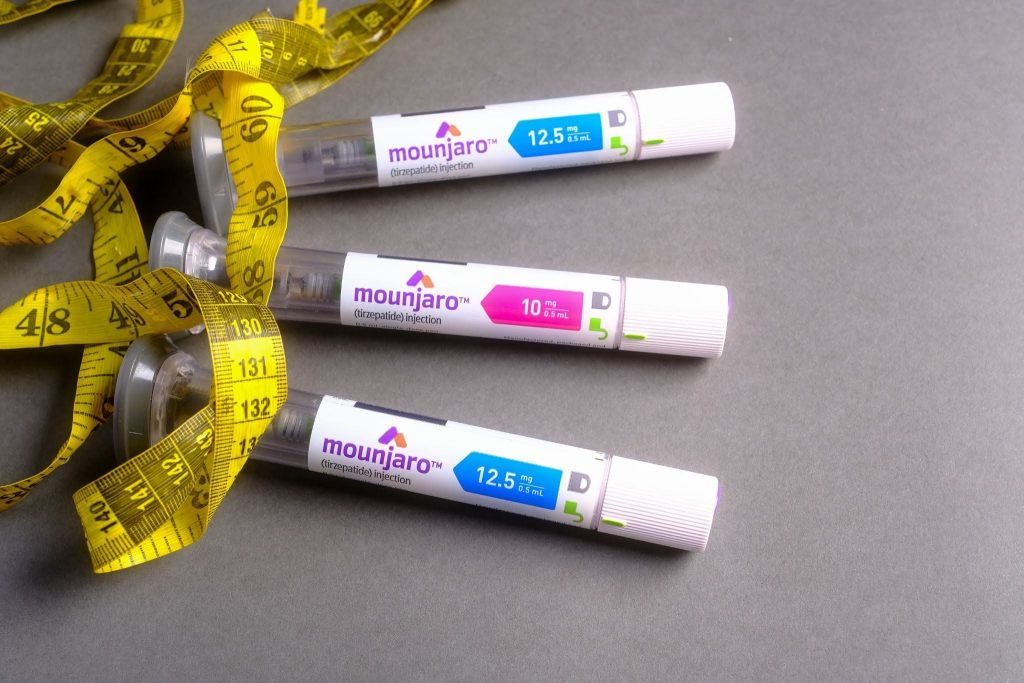
Have you ever felt frustrated with how slowly the weight is falling off? Or maybe it has been very difficult to stick to a diet because you just feel so hungry and irritable all the time. If this resonates with you, you may have considered taking weight loss medication. These big names like “Ozempic” and “Mounjaro” have been all over the news and social media lately but do they actually work better than traditional methods like dieting and exercise? What we want to focus on is long-term sustained weight loss. In this article, we discuss some common questions about weight loss medications and how weight loss medication vs diet compare regarding long-term results.
Before we had weight loss medications (e.g semaglutide, Ozempic), many companies marketed “detox teas” and laxatives as “weight loss” medications when there was no actual link to long term fat and weight loss. You may have heard of some of these weight loss drugs on the news as they have gained widespread attention for their results. Behind the flashy headlines of these “miracle” drugs, how do they actually work to support weight loss? Also, how does the effect of weight loss medication vs diet alone compare?

It is easier to understand the main weight loss medications in terms of two categories: the GLP1-related medications and the medications that reduce fat absorption.
– The GLP1-related medications (e.g semaglutide, ozempic) are probably the more well-known ones. For some background, GLP1 is a hormone involved in regulating blood sugar and hunger signals. By taking this type of medication, you feel its effects primarily as decreased appetite. This can help to not only reduce overall caloric intake but also make the psychological experience of maintaining a diet less stressful and cutting out food noise. You can buy semaglutide for weight loss here at Meds For Less.
– The medications that reduce the absorption of fat in the gut (e.g Orlistat) do this by acting on the enzymes that are involved in digesting fat. As such, a significant amount of the fat ingested is just passed out in the stool without being taken up by the body.
When thinking about diet vs weight loss drugs, dieting can be done by anyone however both of these medical options are not intended for casual use. They are for a specific patient group that fulfil criteria regarding Body Mass Index and long-term health risks. Weight loss medications must be combined with lifestyle changes including a balanced, nutritious diet and regular physical activity.
Out of weight loss pills vs diet, a diet-only approach is probably the most common option when someone thinks about trying to lose weight. Overall, this method works to reduce weight by reducing the caloric/energy intake (or a calorie deficit) such that the person is using more energy than they take in through food. This does not mean you should go on a crash diet and restrict your food intake significantly. Not only is this an extremely unpleasant experience, it is also a common reason why diet-only weight loss approaches fail and often people regain the weight (or more) very quickly.
This is not to say that people should not attempt to lose weight via dieting. If the weight range at the height someone is at may cause longer-term health risk, it is best to aim for healthy, sustainable lifestyle changes and consistency rather than a particular diet plan. Some tips of how you could do this include:
– A balanced and nutritious diet. This does not mean you should only eat a salad for every meal but:
– Being mindful of portions and satiety
– Behavioural changes
By making consistent lifestyle changes to diet and exercise, many people report sustained long-term and significant weight loss from the “diet only” method. However, it can be difficult physically and psychologically to stick to a diet-only weight loss plan. Many people may get frustrated with the lack of results or the time needed to reach a goal weight. This may tip people over to try a more extreme diet which is usually not sustainable or healthy.
Thus, the introduction of prescription weight loss medications has been very effective in supporting or continuing the momentum of long-term weight loss. Again, it is worth emphasizing that the medication is meant to work alongside lifestyle changes to diet and exercises rather than replace such “natural” measures. Medications like semaglutide or Ozempic are not designed for casual, cosmetic weight loss; they are intended for people who have been recommended by medical professionals to lose a significant amount of weight to support their long-term health. For this group of people, taking weight loss medication alongside a healthy diet can help support and maintain weight loss.
Now that we have discussed the effectiveness of the “diet-only” versus “medication and diet” approach, let’s get into a more detailed comparison of the benefits and risks of each approach. With any treatment plan or health intervention, it is always about weighing up the risks and benefits as well as the patient’s personal preferences.
| Comparing weight loss methods | ||
| Diet-only | Medication and diet | |
| Benefits | – No risk of short term or long-term side effects from taking medication
– No risk of interaction with other medications someone might take for a chronic condition – “Natural” weight loss – Lower blood pressure, blood sugar, and cholesterol levels to improve long term health – Usually does not need medical monitoring |
– People usually lose more weight and more quickly when taking a weight loss medication in addition to dieting
– May be more helpful than a diet-only approach if someone is obese – Lower blood pressure, blood sugar, and cholesterol levels to improve long term health |
| Risks | – Weight loss may be slow
– There may not be enough weight loss – More difficult to sustain a diet only plan long-term |
– Risk of side effects from medication e.g oily stools, nausea
– Requires medical monitoring and regular medication reviews with a doctor. – Weight loss medications may interact with other medications that someone might take for a chronic health condition and therefore may not be suitable. |
So do weight loss medications work? Keeping within a healthy weight range is important, so as mentioned, the sustainability of weight loss is a key factor to consider when choosing between diet-only versus medication assisted weight loss plans. With a diet-only method, long-term maintenance can be very difficult unless healthy food choices and regular physical activity is kept consistent. However, if someone takes a weight loss drug without making healthy lifestyle changes, the weight will likely come back if they do not have a healthy diet and regular exercise. Thus, as you might have noticed, the goal of sustainable long-term weight loss is still ultimately reliant on healthy lifestyle habits. Taking medication can definitely support the initial weight loss process through reducing food noise and hunger signals, but it does not replace a nutritious diet and regular exercise.
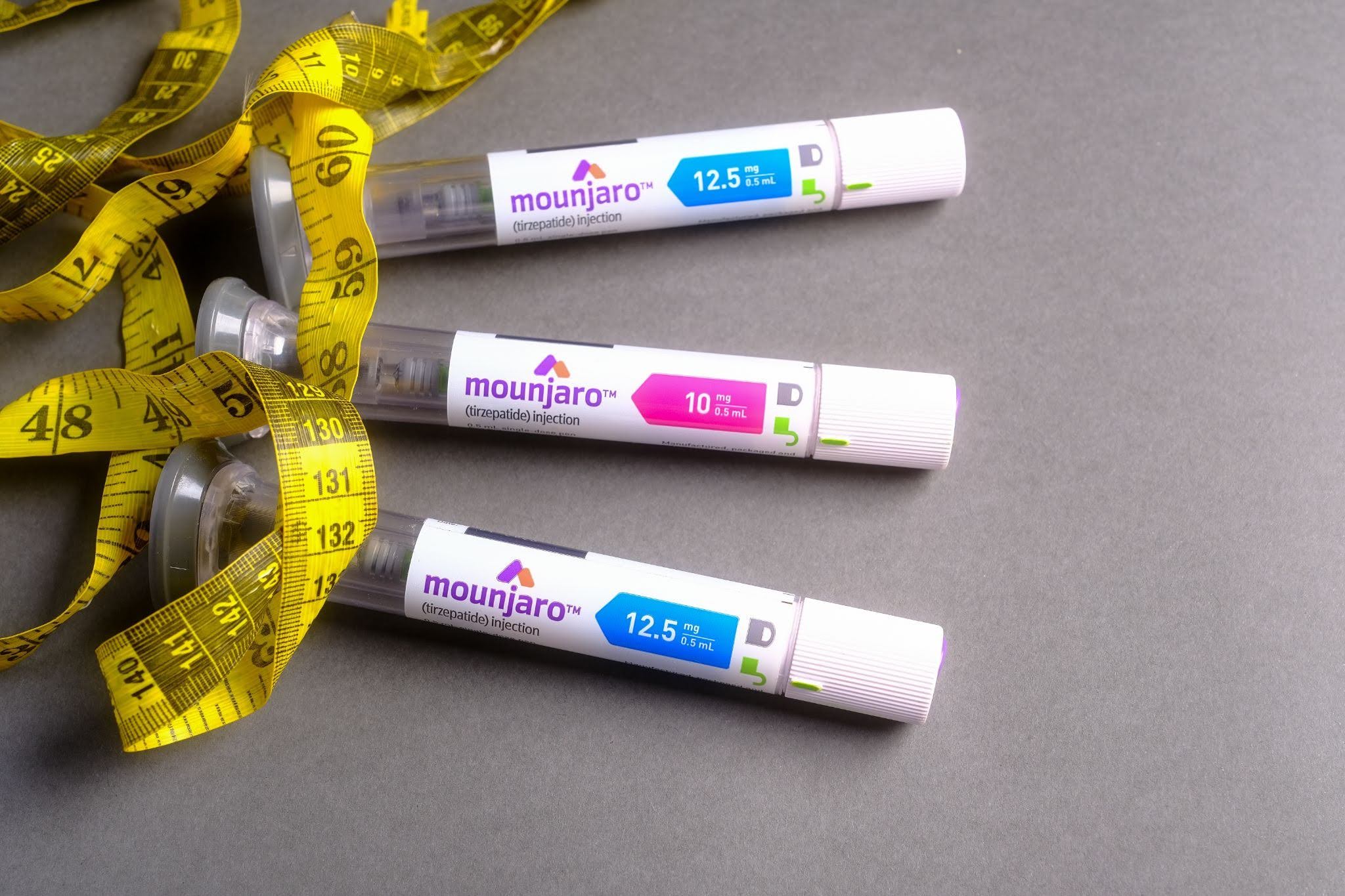
There has been a lot of buzz on the news and social media about big name weight loss drugs like Ozempic and Mounjaro becoming available on the NHS. While this is true in some cases, there are a lot of other factors to consider. For example, these medications are only available on the NHS for certain people who meet a set of specific criteria (e.g lifestyle changes such as weight management programmes have not worked, the high BMI is causing or is likely to cause long-term health problems). Also, prescription weight loss jabs on the NHS are only available in specific locations in the UK so where you live and which area your GP practise belongs to will also be a factor.
If you have managed to get a weight loss jab on the NHS, it will cost the general prescription charge. However, if you are getting the jabs privately, costs can vary significantly and are often very expensive. Regardless of whether you get this treatment on the NHS or from a private provider, you will need medical monitoring and regular follow up appointments. If you are on any other regular medication or you have any pre-existing health conditions, please consult your doctor before starting on any weight loss medication as there may be medication interactions and a higher risk of side effects.
The dilemma of medical weight loss vs lifestyle changes is not that simple. Currently, the NHS guidance is to start with lifestyle changes (e.g healthy diet, regular physical activity). For more information on improving general health, you can browse the range of medicines available at Meds For Less. There are also NHS weight management programmes that may be helpful. Medications should only be considered when such lifestyle changes have not been enough and someone’s health risks due to a high BMI meet treatment thresholds for starting a weight loss jab. The benefits of the weight loss jab need to be evaluated against potential risks and side effects from the medication to ensure that this is the right weight loss strategy for someone.