
Back To Top

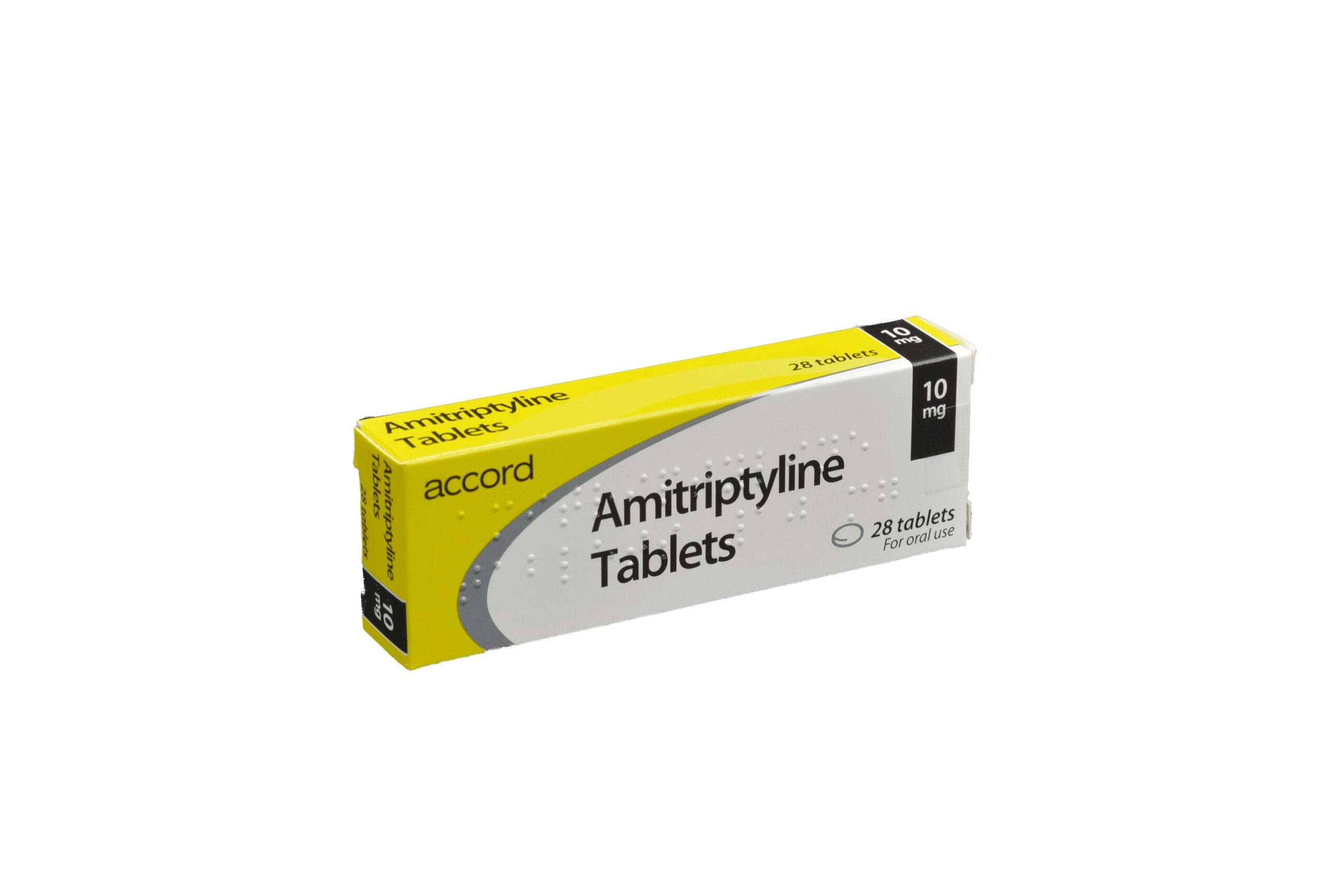
Amitriptyline (Accord Brand)

Amitriptyline is a tricyclic antidepressant used to treat various conditions in adults. Some of these include, major depressive episodes, neuropathic pain, chronic tension-type headache prophylaxis, and migraine prophylaxis.
For more options browse our Anxiety And Depression Treatments

Order within

  • 00h
  • 00m
  • 00s

to receive your order on Tuesday May 5, 2026

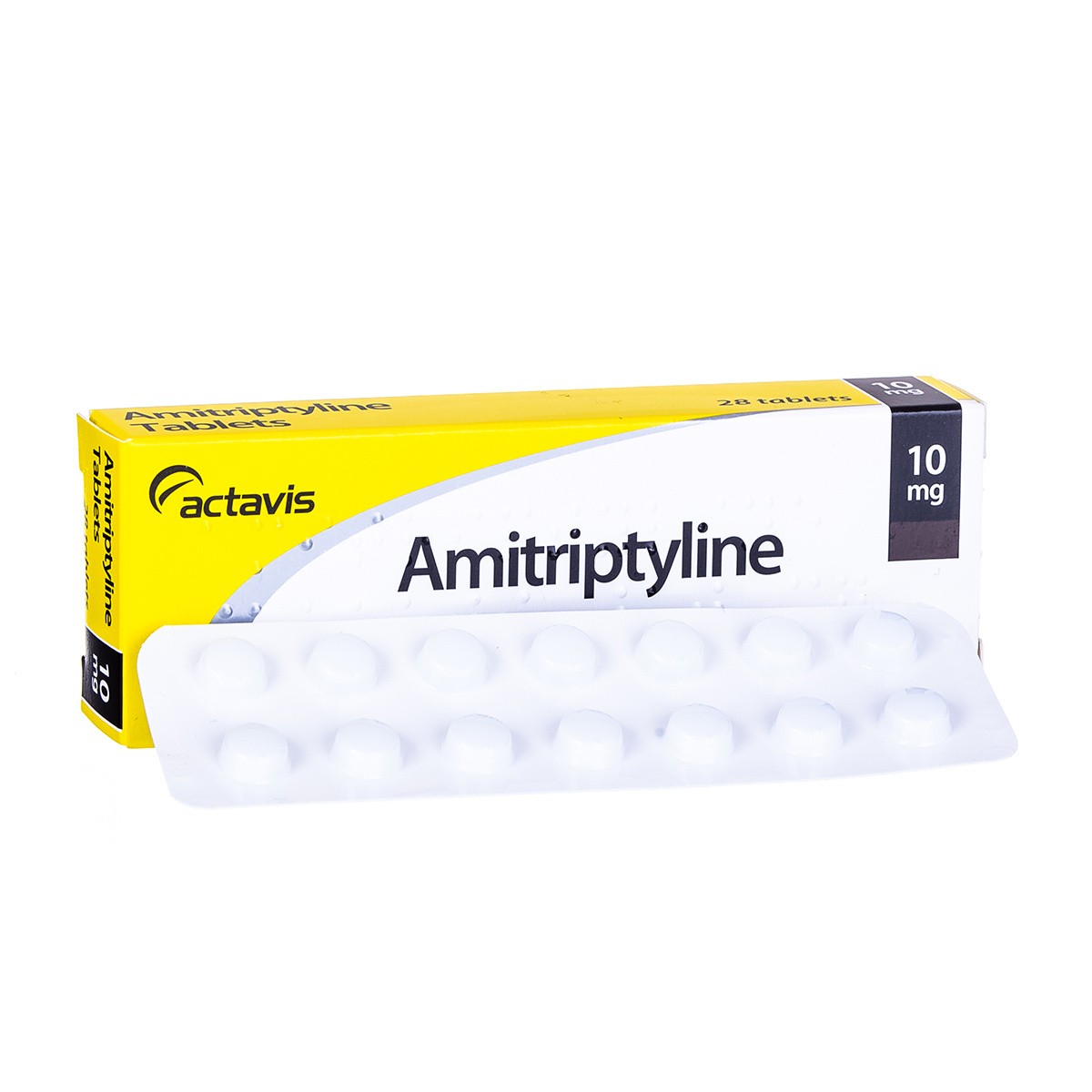
*Product images are for illustrative purposes only, and you may receive a different licensed alternative.

Price Checker

Price range: £35.99 through £50.99

related products

You may also like

More Product information

 Amitriptyline is a tricyclic antidepressant used to treat several conditions. It’s most commonly used to treat neuropathic pain or as a preventative migraine treatment. 

Branded versions of the medication are rarely used in the UK nowadays. There are several pharmaceutical companies that manufacture for the UK market including accord amitriptyline, teva amitriptyline, crescent amitriptyline and lots of others. 

What Is Accord Amitriptyline?

Amitriptyline is a tricyclic antidepressant (TCA) with a moderate therapeutic index – It’s used to treat several conditions such as nerve pain, depression, and migraine prevention treatment. 

Accord is one of several pharmaceutical companies that manufacturers Amitriptyline for the UK market. The active ingredients and in Accord Amitriptyline tablets are identical to that found in other generic versions of the medication meaning the therapeutic effect, quality and clinical performance are medically equivalent. 

How to Take Amitriptyline

To ensure the treatment is effective, it is important to follow a gradual dosing schedule. This allows your body to adjust to the amitriptyline drug, reducing the risk of initial side effects. Most patients start with a low amitriptyline 10mg dose, taken once daily in the evening.amitriptyline 10mg tablets price

Sample Dosing Timetable

  • Weeks 1–2: Start with a single 10mg application before bedtime.
  • Weeks 3–4: Depending on your clinical response, your doctor may increase this to 20mg or 25mg.
  • Maintenance: From week 5 onwards, continue with your prescribed amount to maintain the therapeutic effect.

For the best results, swallow each pill whole with a glass of water. It is recommended to take it approximately 30–60 minutes before sleep, as the sedative effect helps with rest but can cause drowsiness if taken during the day. Whether you are managing chronic pain or depression, consistency is key to the success of the medication.

Accord Amitriptyline Uses & Benefits

Amitriptyline can treat severe conditions. It’s most commonly used to treat pain, where the root cause of pain is related to a nerve (known as neuralgia.) This type of pain is unlikely to be alleviated using over-the-counter painkillers such as Paracetamol. Amitriptyline can also be used to manage other types of chronic pain. 

Amitriptyline can also improve quality of life for patients suffering with other conditions such as migraines or depression however for these conditions there are typically other preferred first-line treatments. 

As a preventive migraine treatment other medications may be preferred such as beta-blockers, antiepileptics or CGRP inhibitors. 

Whilst Tricyclic antidepressants such as Amitriptyline were widely used in the past to treat depression nowadays SSRIs are usually preferred first-line treatments examples include Sertaline, Fluoxetine or Citalopram. 

Recommended Dosage for Amitriptyline 

The appropriate dose of Amitriptyline depends on the condition being treated and the patient’s individual response to the medication. It is available in several strengths, with 10mg and 25mg tablets being the most common for starting treatment. 

Patient Group / Condition

Typical Starting Dosage

Administration Notes

Adults (Depression)

75 mg daily in divided doses

Can be increased to 150 mg if needed

Nerve Pain & Migraine

10 mg to 25 mg once daily

Usually taken in the evening or at bedtime

Geriatric Patients

10 mg (3 times daily)

Includes an additional 20 mg dose at bedtime

Pediatrics (12+ years)

10 mg (3 times daily)

20 mg dose at bedtime; monitored carefully

It is important to note that the full therapeutic effect of Amitriptyline 10mg or higher doses may take up to 30 days to develop. Dosage adjustments should only be made by a healthcare professional based on clinical response and tolerability. If you are using the oral liquid form, always use a medical syringe for precise measurement rather than a kitchen spoon. 

Missed Dose and Overdose

Consistency is vital for recovery, but if you forget a dose, take it as soon as you remember. However, if it is nearly time for your next application, skip the missed one. Never take a double dose to compensate for a forgotten pill.

An overdose is a serious medical emergency. If you suspect you have taken too much of this amitriptyline drug, contact emergency services immediately. Symptoms requiring urgent attention include:

  • Severe confusion or agitation.
  • A rapid or irregular heartbeat.
  • Dilated pupils and blurred vision.
  • Extreme drowsiness or loss of consciousness.

Always keep your medication in its original packaging and out of reach of children to prevent accidental ingestion.

Warnings 

Antidepressants may increase the risk of suicidal thinking and behavior in children, adolescents, and young adults (under 24). Medical monitoring is required for at least the first 12 weeks of treatment.amitriptyline tablets for sale

Consult your doctor before use if you:

  • Have heart, liver, or thyroid disease.
  • Have a history of epilepsy or glaucoma.
  • Are pregnant, breastfeeding, or under 7 years old.
  • Are taking other medications or scheduled for surgery.

Keep out of the reach and sight of children. Read the enclosed leaflet before taking.

Buying Amitriptyline (Accord Brand) Online

When ordering your prescription through a digital pharmacy, ensuring the source is reputable is the first priority. In the UK, legitimate medication must be dispensed by GPhC-regulated providers and arrive with an official dispensing label attached to the packaging.

You should exercise caution when browsing online, as unregulated companies often distribute counterfeit or unlicensed treatments. Before completing a purchase, always verify a provider’s reviews. Using unverified products can be ineffective or even pose a risk to your health, so prioritizing safety over convenience is essential for any patient.

Amitriptyline (Accord Brand)
Amitriptyline belongs to a class of medications known as tricyclic antidepressants. It is believed to function by increasing the level of serotonin in the brain, which can enhance mood. Additionally, it alters how nerves perceive pain signals, effectively reducing pain. This makes amitriptyline useful for treating symptoms related to pain relief or migraines.
 
For alternative brands why not try, Amitriptyline.         
Some medicines may affect the action of other medicines and cause serious side effects. Inform your doctor or pharmacist if you are taking, have recently taken, or might take any other medicines, such as monoamine oxidase inhibitors (MAOIs) like phenelzine, iproniazid, isocarboxazid, nialamide, or tranylcypromine (used to treat depression), or selegiline (used to treat Parkinson’s disease), which should not be taken with Amitriptyline tablets. Other medicines to be cautious of include adrenaline, ephedrine, isoprenaline, noradrenaline, phenylephrine, and phenylpropanolamine (found in some cough or cold medicines and anaesthetics); high blood pressure medications like calcium-channel blockers (e.g., diltiazem, verapamil), guanethidine, betanidine, clonidine, reserpine, and methyldopa; anticholinergic drugs for Parkinson’s disease and gastrointestinal disorders (e.g., atropine, hyoscyamine); thioridazine (for schizophrenia); painkillers like nefopam, tramadol, and morphine; buprenorphine (for severe pain or opioid addiction), which may cause symptoms like muscle contractions, agitation, hallucinations, coma, excessive sweating, tremors, increased reflexes, muscle tension, and high body temperature; antifungal medications (e.g., fluconazole, terbinafine, ketoconazole, itraconazole); sedatives (e.g., barbiturates); antidepressants (e.g., SSRIs like fluoxetine, paroxetine, fluvoxamine, duloxetine, bupropion); certain heart medications (e.g., beta blockers, antiarrhythmics); cimetidine (for stomach ulcers); and methylphenidate (for ADHD). Contact your doctor if you experience any adverse symptoms. For a full list refer to the Patient Information Leaflet.
 
For alternatives to Accord brand Amitriptyline,  you can visit our Anxiety And Depression
Side effects of Amitriptyline have been reported with varying frequencies. Very common side effects (affecting more than 1 in 10 people) include sleepiness or drowsiness, shakiness of hands or other body parts, dizziness, headaches, dizziness when standing up due to low blood pressure (orthostatic hypotension), irregular, hard, or rapid heartbeat, dry mouth, constipation, nausea, excessive sweating, weight gain, slurred or slow speech, aggression, and a congested nose. Common side effects (affecting up to 1 in 10 people) include confusion, sexual disturbances (decreased sex drive, problems with erection), disturbance in attention, changes in taste, numbness or tingling in the arms or legs, disturbed coordination, dilated pupils, heart block, fatigue, low sodium concentration in the blood, agitation, urination disorders, and feeling thirsty. Uncommon side effects (affecting up to 1 in 100 people) include excitement, anxiety, difficulties sleeping, and nightmares. For a full list refer to the Patient Information Leaflet.

The active substance in the tablets is amitriptyline hydrochloride, with each tablet containing either 10 mg, 25 mg, or 50 mg of the active ingredient. The other ingredients include lactose monohydrate, microcrystalline cellulose (E460), maize starch, colloidal anhydrous silica, magnesium stearate, hypromellose (E464), titanium dioxide (E171), and macrogol. Additionally, the 10 mg tablet contains indigo carmine (E132). The 25 mg tablet includes talc (E553b), quinoline yellow (E104), iron oxide (E172), sunset yellow (E110), and indigo carmine (E132). The 50 mg tablet contains talc (E553b), quinoline yellow (E104), and iron oxide (E172). For further details refer to the  Amitriptyline PIL.

Amitriptyline is available for purchase online at Meds for Less. All you need to do is complete a brief consultation process to get started. For alternatives to Accord brand Amitriptyline,  you can visit our Anxiety And Depression Treatment page where you can buy amitriptyline and browse our comprehensive range of treatment options and see alternatives such as Amitriptyline.         
Customer Reviews