Asthma is a long-term inflammatory condition that affects the airways in the lungs. It causes the airways to become sensitive and narrowed due to underlying inflammation, which can fluctuate in severity over time.
Asthma often develops in childhood but can occur at any age. The condition is typically linked to a combination of genetic and environmental factors. Although asthma is not curable, it is highly manageable with appropriate daily asthma medication and preventer inhalers that help control inflammation and reduce the risk of flare-ups.
Effective asthma management focuses on controlling airway inflammation, identifying triggers, and using the correct inhaler therapy as prescribed.
COPD (Chronic Obstructive Pulmonary Disease) is a progressive lung condition that leads to long-term airflow limitation. Unlike asthma, COPD usually develops gradually and is most commonly associated with long-term exposure to irritants such as cigarette smoke or environmental pollutants.
COPD is an umbrella term that primarily includes emphysema and chronic bronchitis. The condition causes structural changes in the lungs that are not fully reversible. While COPD cannot be cured, appropriate COPD treatment medications can slow disease progression, improve breathing capacity, and help maintain quality of life.
Long-term management often involves inhaled therapies, lifestyle adjustments, and careful monitoring by a healthcare professional.
Asthma and COPD share some symptoms, but their causes and progression differ. Asthma symptoms often include wheezing, shortness of breath, chest tightness, and coughing, especially at night or after exposure to triggers. COPD symptoms, on the other hand, tend to develop gradually and include persistent cough, increased mucus production, breathlessness, and fatigue. Recognizing these symptoms early is essential for proper diagnosis and timely treatment with asthma and COPD medications to prevent complications.
Asthma symptoms often seems to worse at night or in the early morning. There also seems to be common triggers for asthma including exercise or pollen.
An asthmatic individual may suffer from an asthma attack. Asthma attacks are a severe manifestation of asthma symptoms. Asthma attacks can be life threatening, and asthmatics should take the necessary precautions against asthma attacks, such as always carrying an inhaler.
COPD symptoms usually get worse over time, although treatment can slow the progression of the disease.
There may be times when the severity of symptoms increases. This is known as a flare-up. Flare-ups most commonly occur during winter months.
Asthma attacks can be life-threatening and require immediate action. Patients should always carry their medication for asthma attack and understand how to use it correctly at the first sign of worsening symptoms such as wheezing, chest tightness, or breathlessness.
Using acute asthma attack medication such as a reliever inhaler helps relax the airway muscles and open the airways quickly, making breathing easier. If symptoms do not improve after repeated doses or continue to worsen, emergency medical help should be sought immediately. Prompt treatment reduces the risk of serious complications and ensures that asthma medications can work effectively.
Whilst asthma and COPD are related conditions, both causing swelling in the airways. The causes are different.
The exact causes of asthma are not known. However there are a number of inherited and environmental factors that can make an individual more likely to suffer from asthma. These factors include:
Asthmatics can also have certain triggers, which cause symptoms to worsen. Common asthma triggers include:
Those who suffer from asthma should work to understand there triggers and manage their condition appropriately.
The main cause of COPD is smoking. Smoking is thought to cause over 90% of cases of COPD. Passive (secondary smoking) can cause COPD.
There is also evidence that long exposure to certain chemicals can damage the lungs and increase the risk of COPD developing. Substances that have been associated with COPD include (but are not limited to):
There is also evidence that individuals are at increased risk of developing COPD if you’re living in areas with poor air quality, or if you’re genetically predisposed to developing COPD.
Fortunately with Meds for Less you can treat COPD safely and conveniently online. We stock a range of medications for COPD. The cost of COPD medications can be found in our Asthma and COPD category.
Managing respiratory conditions requires the right balance between short-term relief and long-term control. Both asthma and COPD rely on carefully selected medications for COPD and asthma to reduce inflammation, open the airways, and prevent serious flare-ups.
Treatment is usually tailored depending on severity, frequency of symptoms, and overall lung function.
Asthma management typically combines immediate relief with long-term control strategies.
| Inhaler Type | Colour (Typical) | Purpose | When Used | Common Examples |
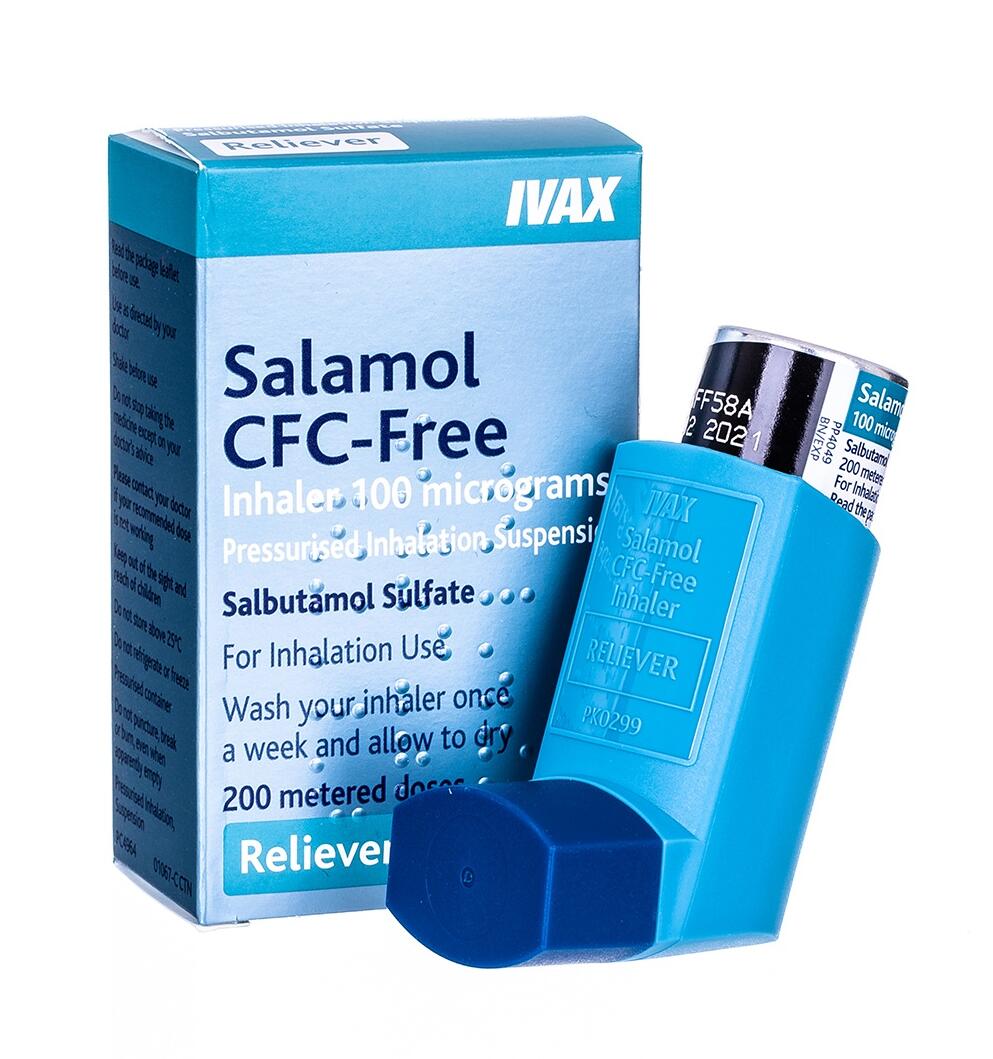
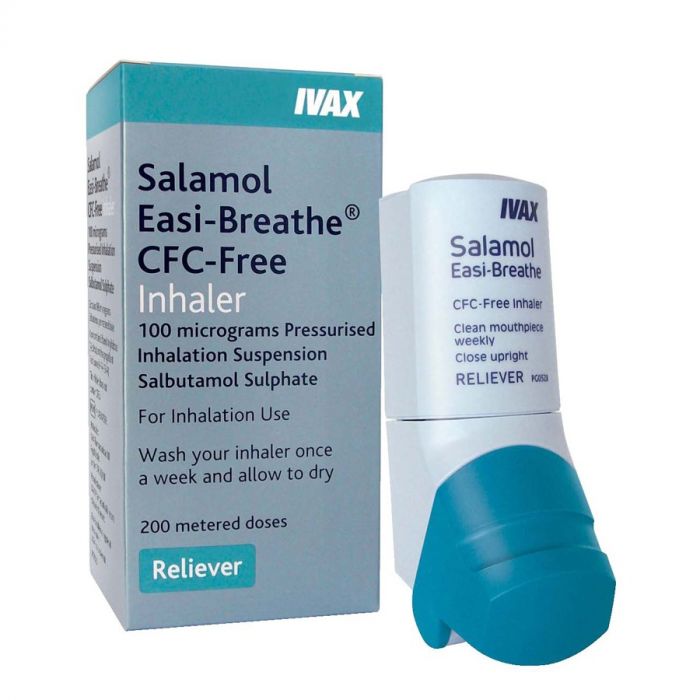
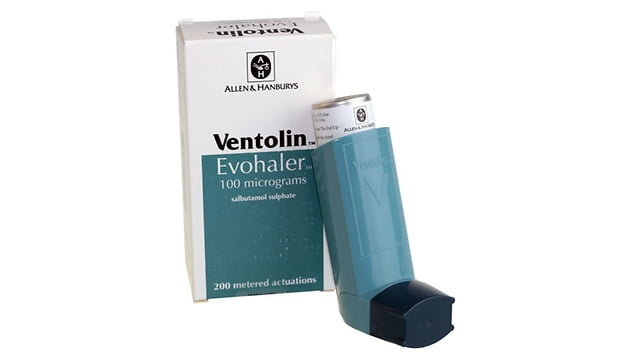
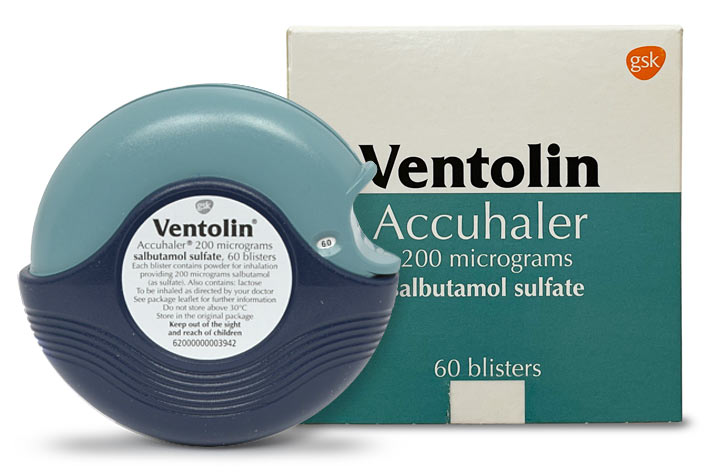
| Reliever Inhaler | Blue | Quickly relaxes airway muscles | Used as medication for asthma attack or sudden breathlessness | Ventolin |
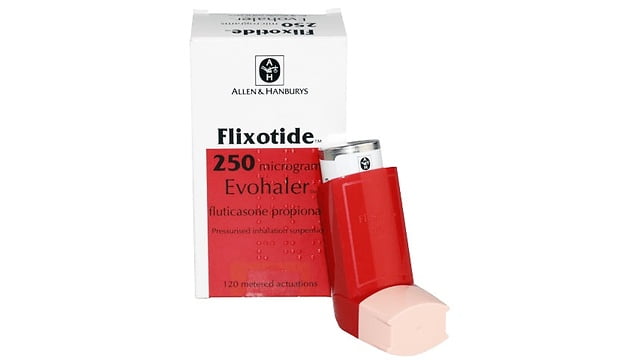
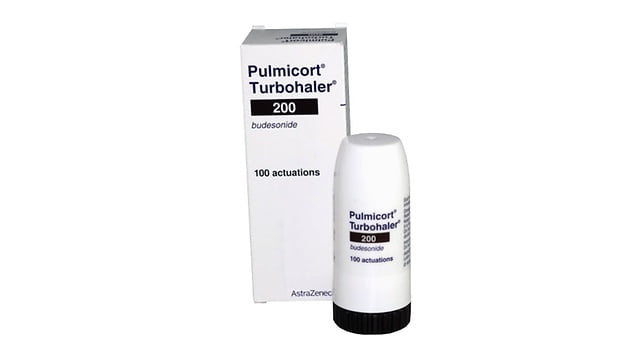
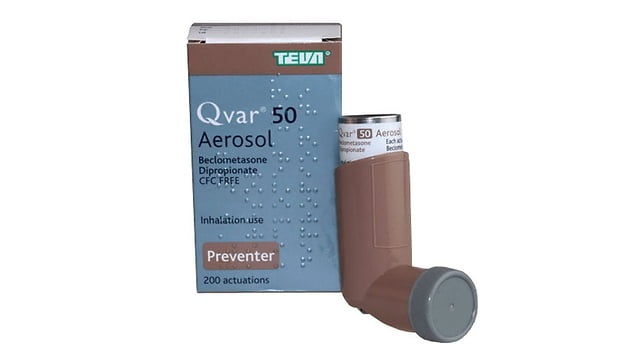
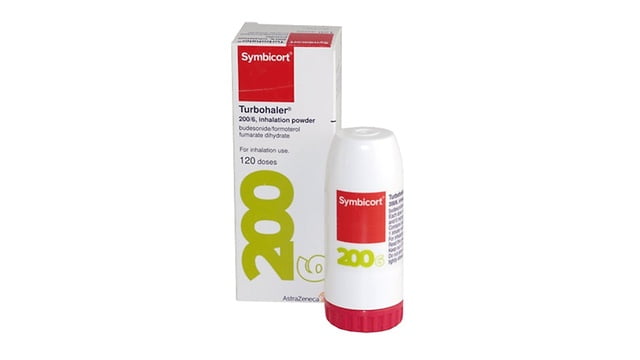
| Preventer Inhaler | Brown | Reduces inflammation in the airways | Used daily as part of daily asthma medication and asthma prevention medication | Qvar, Clenil Modulite, Pulmicort |
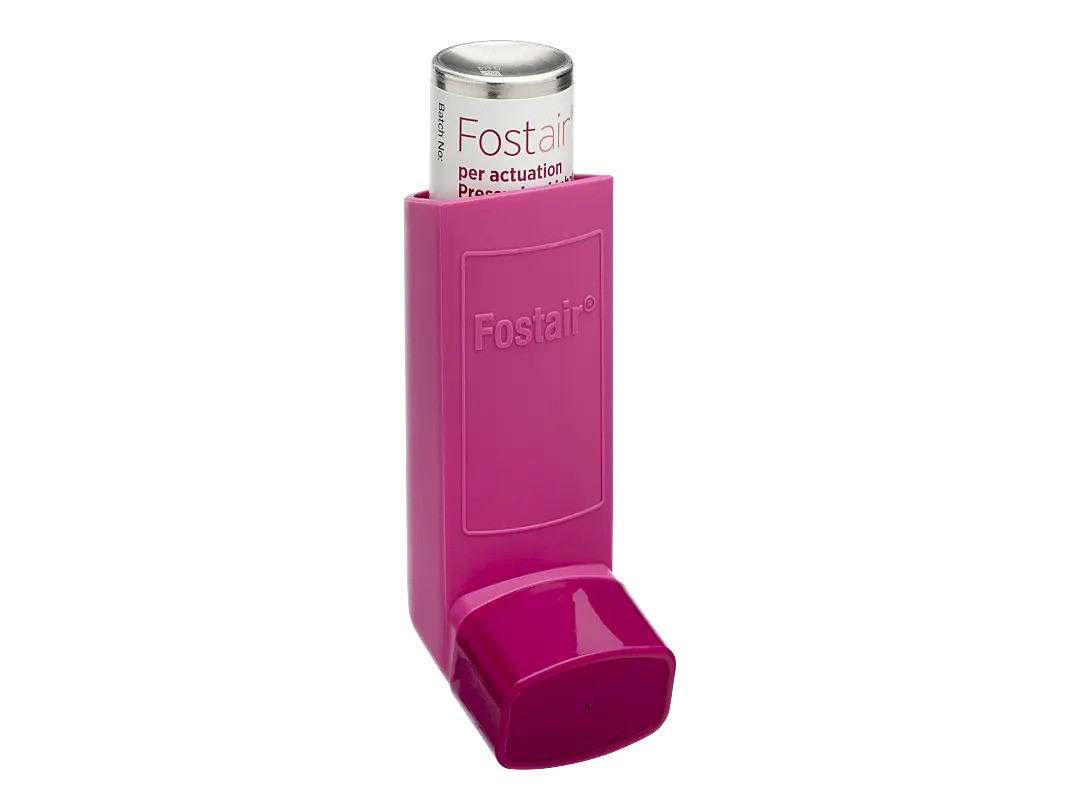
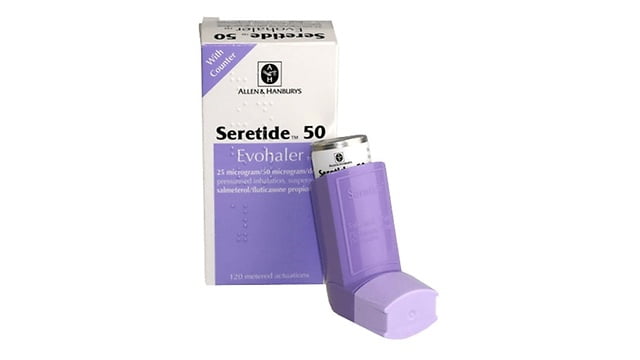
| Combination Inhaler | Pink / Purple | Steroid + long-acting bronchodilator | For patients whose symptoms are not controlled by preventer alone | Fostair, Seretide |
For patients whose symptoms are triggered by allergens, allergic asthma medication may also be recommended alongside inhaler therapy.
COPD treatment focuses on improving airflow, slowing progression, and reducing flare-ups.
| COPD Severity | Treatment Approach | Purpose |
| Mild COPD | Short-acting bronchodilators | Mild COPD medications help relieve occasional breathlessness |
| Moderate COPD | Long-acting bronchodilators | Used as part of COPD daily medications to improve lung function |
| Severe COPD | High-dose inhalers, combination therapies | Medications for severe COPD help manage persistent symptoms and reduce exacerbations |
Choosing the correct medications to treat asthma and COPD ensures better long-term stability and fewer emergency interventions.
Incorrect inhaler technique is one of the most common reasons why medications to treat asthma and COPD fail to work effectively. Many patients do not inhale deeply enough or fail to hold their breath after activation, which prevents the medicine from reaching the lungs properly.
Patients should be shown how to breathe in slowly and deeply, hold their breath for a few seconds, and then exhale gently. After using steroid inhalers, it is important to rinse the mouth to reduce irritation and oral side effects. Correct technique ensures daily asthma medication and COPD inhalers deliver the full therapeutic dose and provide better symptom control.
For many patients, treatment begins with a doctor’s prescription. COPD prescription medications such as long-acting bronchodilators and inhaled steroids are crucial for long-term control. However, there are also some asthma medications over the counter and COPD over the counter medication available, typically including antihistamines, decongestants, or supportive therapies. These can help with mild symptoms but should never replace prescribed inhalers or preventer treatments. Patients should always consult a healthcare professional before switching between OTC and prescription therapies, as combining both may increase effectiveness and safety.
Not all patients require the same strength of treatment. People with early or stable disease may do well on medication for mild COPD or low-dose inhalers, while those with worsening symptoms often need stronger therapies. Medications for severe COPD include high-dose inhalers, oxygen therapy, or even biologic treatments. Likewise, asthma patients may need daily preventers or severe asthma medication if their symptoms remain uncontrolled. Understanding when to escalate treatment ensures the right balance between effectiveness and minimising side effects.
Avoiding triggers and staying protected against respiratory infections is essential for long-term control. Vaccinations such as the flu jab help reduce COPD exacerbations and improve outcomes for people using copd daily medications or asthma prevention medication.
Maintaining good hand hygiene, avoiding smoke and pollution, and following a consistent treatment plan can significantly lower the risk of flare-ups. These preventative steps support the effectiveness of asthma COPD medications and help patients maintain stable breathing over time.
Some individuals live with features of both conditions, often referred to as Asthma-COPD overlap. In these cases, medications for COPD and asthma must be carefully selected to address both airway inflammation and obstruction. Options may include asthma COPD medications that combine bronchodilators with steroids, or newer biologic drugs designed to target immune system pathways. For flare-ups, acute asthma attack medication and other medications to treat asthma and COPD are prescribed to rapidly open the airways and restore breathing. Coordinated treatment plans between patient and doctor are essential for long-term stability.
Whilst some asthma treatments may be available free on the NHS to those with a medical exemption certificate.
However for those looking for a quick, convenient and cost-effective service offers a range of inhalers and asthma treatments. The costs of some common asthma lines are:
At Meds for Less we stock lots of other treatments for Asthma and COPD, a full list of prices can be found in our Asthma and COPD category.